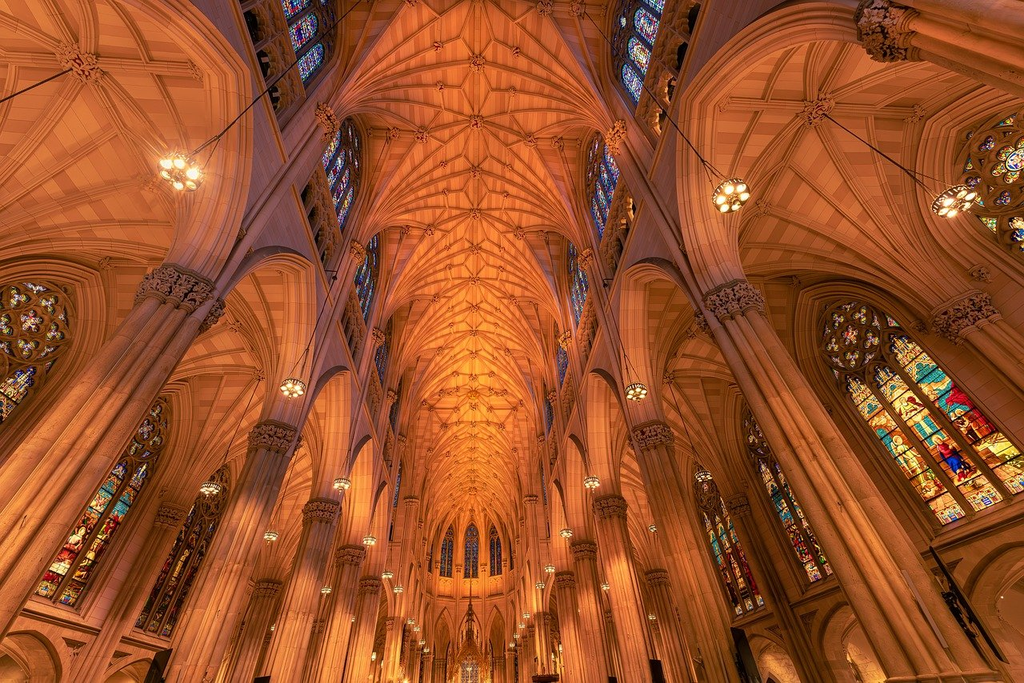
St. Patrick was a 5th-century Christian missionary and the patron saint of Ireland. Born in Roman Britain, he was kidnapped and brought to Ireland as a slave, later escaping but returning to spread Christianity. He is credited with converting much of Ireland to Christianity and using the shamrock to explain the Holy Trinity. St. Patrick’s Day, celebrated on March 17th, honors his legacy and Irish heritage with parades, festivals, and cultural traditions worldwide.
The Historical St. Patrick
St. Patrick was a 5th-century Christian missionary and the patron saint of Ireland. Born in Roman Britain, he was kidnapped and brought to Ireland as a slave, later escaping but returning to spread Christianity. He is credited with converting much of Ireland to Christianity and using the shamrock to explain the Holy Trinity. St. Patrick’s Day, celebrated on March 17th, honors his legacy and Irish heritage with parades, festivals, and cultural traditions worldwide.
💡 Key Takeaways
- Distinguish between historical evidence and legendary tales about Saint Patrick.
- Outline Patrick's missionary work in Ireland and the historical context of Christianity in 5th‑century Ireland.
- Recognize primary sources about Patrick (such as his own writings) and assess their reliability and limits.
- Explain how Patrick influenced early Irish Christian practices and why he remains a cultural symbol.
❓ Frequently Asked Questions
Who was St. Patrick?
A 5th‑century Romano‑British Christian missionary and bishop credited with converting Ireland to Christianity and is regarded as Ireland's patron saint.
When did St. Patrick live?
Scholars place his life in the 4th–5th century; traditional dates put him around 385–461 AD.
What legends are associated with St. Patrick?
Legends include using the shamrock to explain the Trinity and driving snakes from Ireland; the snakes story is symbolic and Ireland had no native snakes.
Why is he the patron saint of Ireland?
His missionary work, the establishment of churches and monasteries, and his role in shaping Ireland's early Christian church and culture.