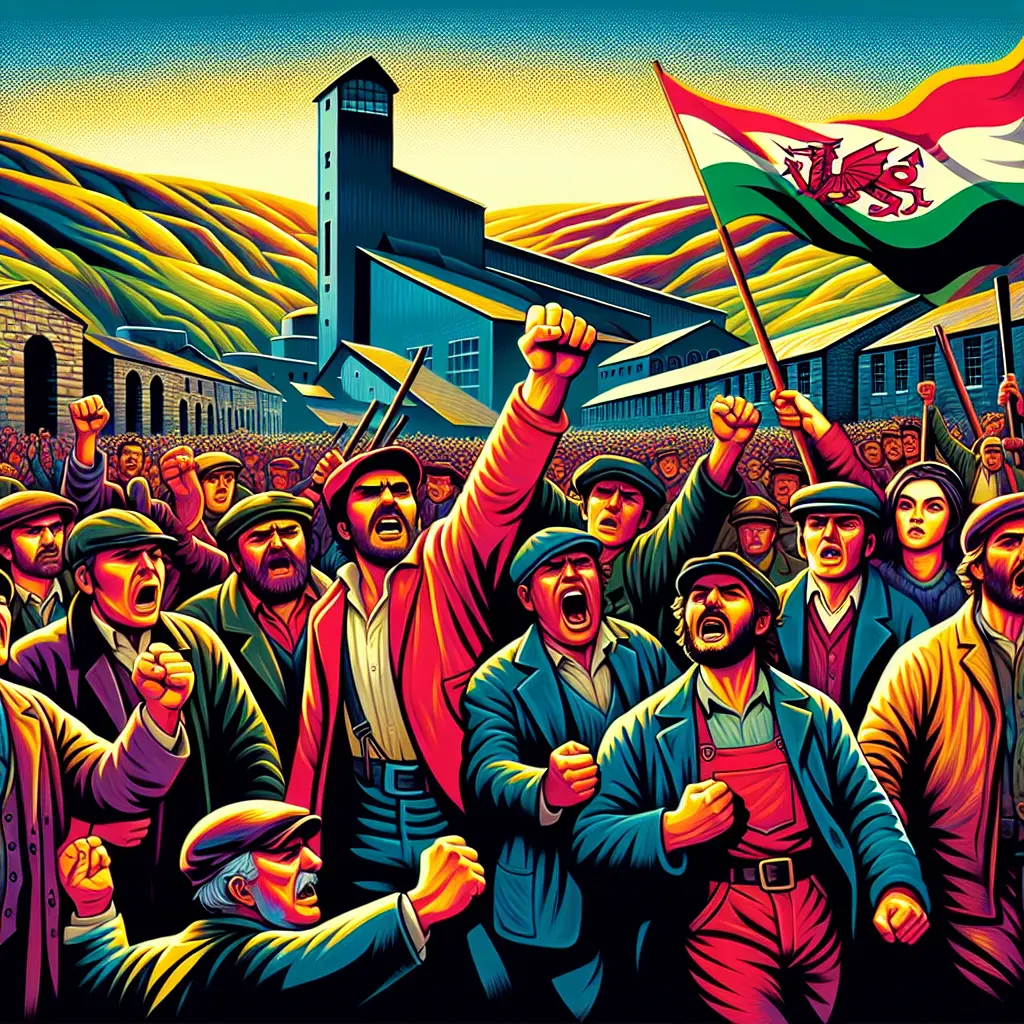
The Miners' Strike of 1984-85 was a major industrial action by coal miners in the United Kingdom, led by the National Union of Mineworkers against the Conservative government under Margaret Thatcher. The strike aimed to prevent colliery closures and job losses, lasting nearly a year and causing significant social, economic, and political upheaval. It ended in defeat for the miners, weakening trade unions and marking a turning point in British industrial relations.
The Miners' Strike of 1984-85
The Miners' Strike of 1984-85 was a major industrial action by coal miners in the United Kingdom, led by the National Union of Mineworkers against the Conservative government under Margaret Thatcher. The strike aimed to prevent colliery closures and job losses, lasting nearly a year and causing significant social, economic, and political upheaval. It ended in defeat for the miners, weakening trade unions and marking a turning point in British industrial relations.

💡 Key Takeaways
- Identify the aims of the strike: opposing colliery closures and protecting miners' jobs.
- Learn the key players: the National Union of Mineworkers (NUM) and the Thatcher government.
- Understand the strike's duration, tactics, and impact on mining communities and the wider economy.
- Assess the long-term consequences for the coal industry and UK industrial relations.
❓ Frequently Asked Questions
What was the Miners' Strike of 1984-85?
A major industrial action by coal miners in the United Kingdom, led by the National Union of Mineworkers (NUM), against the Conservative government of Margaret Thatcher, from March 1984 to March 1985, aiming to halt colliery closures and job losses.
Who led the strike and what were its main aims?
Led by NUM leaders, notably Arthur Scargill, the strike sought to prevent closures of coal mines and protect miners' jobs and communities.
What were some key events or features of the strike?
Widespread picketing, mass marches, and clashes with police; the period included tensions that dominated political and media attention, including events like the Battle of Orgreave.
What was the outcome and long-term impact?
The strike ended in March 1985 without stopping closures; it weakened the NUM, reshaped British industrial relations, and contributed to the decline of the coal industry and shifts in energy policy.