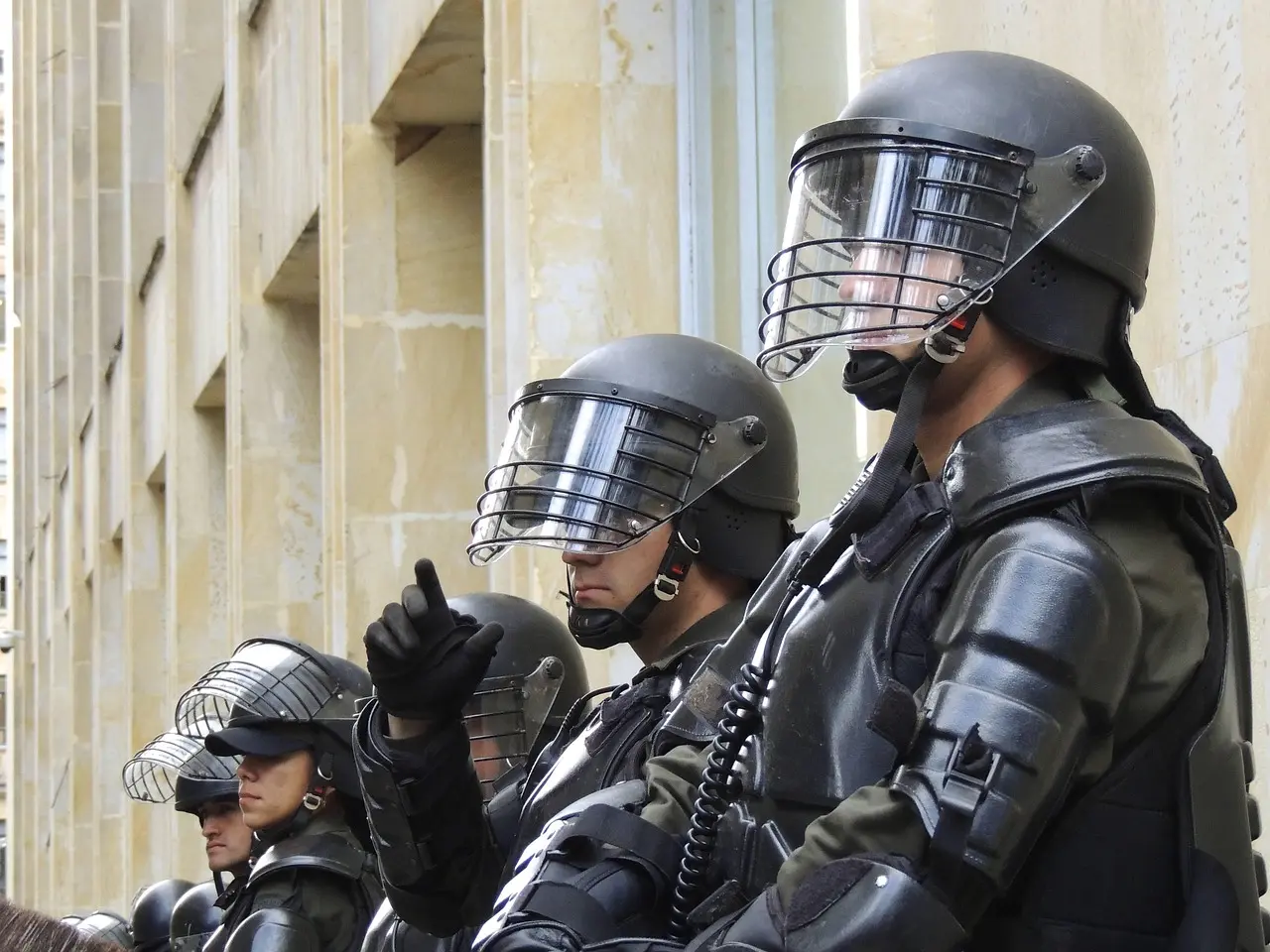
The Poll Tax Riots refer to a series of violent protests that erupted across the United Kingdom in 1990 in response to the introduction of the Community Charge, commonly known as the "poll tax," by Prime Minister Margaret Thatcher's government. The tax was widely unpopular, seen as unfairly burdening the poor. The largest demonstration occurred in London on March 31, 1990, leading to clashes with police, widespread unrest, and significant political repercussions.
The Poll Tax Riots
The Poll Tax Riots refer to a series of violent protests that erupted across the United Kingdom in 1990 in response to the introduction of the Community Charge, commonly known as the "poll tax," by Prime Minister Margaret Thatcher's government. The tax was widely unpopular, seen as unfairly burdening the poor. The largest demonstration occurred in London on March 31, 1990, leading to clashes with police, widespread unrest, and significant political repercussions.
💡 Key Takeaways
- Understand what the Community Charge (poll tax) was and how it changed local taxation in the UK.
- Learn why the poll tax was seen as unfair and unpopular, including its perceived regressive nature and the opposition movement.
- Explore the Poll Tax Riots of 1990: where they happened, what occurred, and their impact on public opinion.
- Analyze the political consequences: impact on Margaret Thatcher's leadership, the policy reversal, and the move to the Council Tax under John Major.
❓ Frequently Asked Questions
What was the poll tax (Community Charge) in the UK?
The poll tax, officially the Community Charge, was a flat per-person local tax introduced in 1990 to fund local government, replacing domestic rates. It charged most adults a fixed amount regardless of income, which many found unfair.
What were the Poll Tax Riots?
A wave of protests and some violent clashes across the United Kingdom in 1990 in opposition to the poll tax, with notable scenes in London (Trafalgar Square) and other cities. The anger reflected broad opposition to the policy.
What impact did the riots have on politics?
The resistance to the poll tax and the riots weakened support for Prime Minister Margaret Thatcher and the Conservative Party, contributing to Thatcher’s resignation later in 1990 and the policy being dropped in favor of the Council Tax.
How did the poll tax differ from the Council Tax?
The poll tax charged a single per-person amount for adults, regardless of income or property. The later Council Tax (introduced in 1993) is based on property value bands with discounts and exemptions, making the tax linked to the home rather than a universal per-person charge.