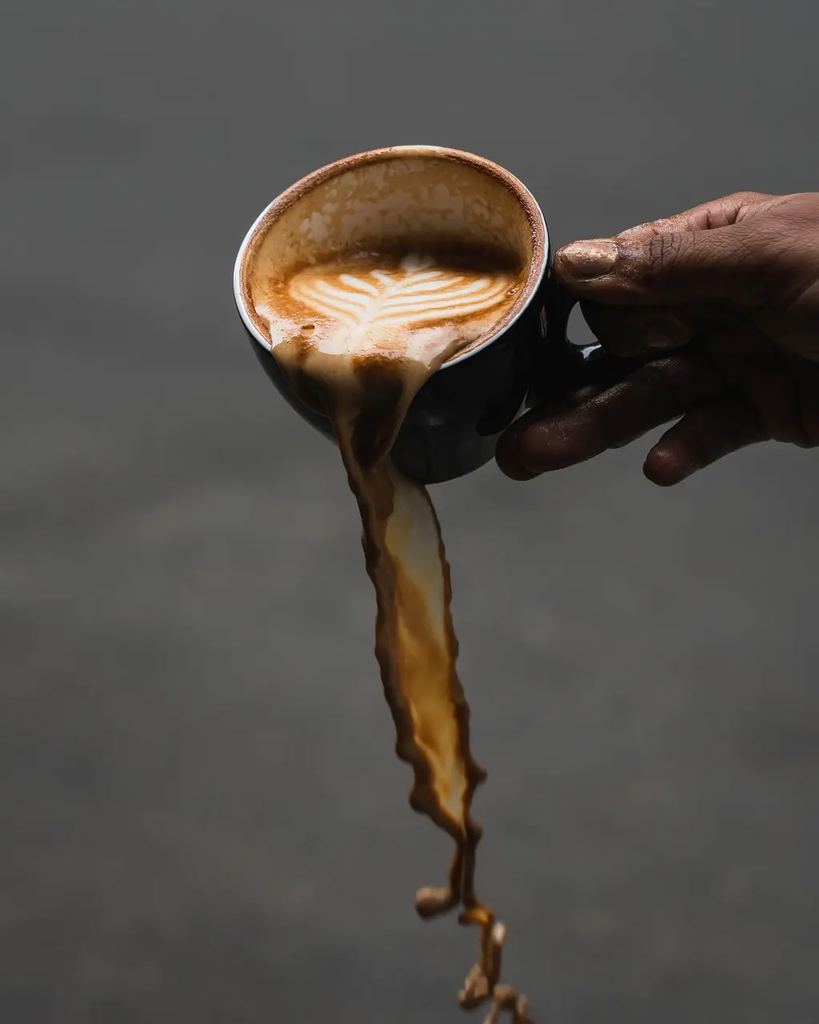
The rise of specialty coffee marks a shift from mass-produced blends to high-quality, ethically sourced beans, emphasizing unique flavors and origins. This movement has fostered a sophisticated coffee culture, with consumers seeking expertly brewed beverages and valuing transparency in sourcing. Specialty coffee shops and third-wave roasters have popularized artisanal brewing methods, transforming coffee from a daily habit into an experience, and elevating appreciation for craftsmanship and sustainability within caffeine culture.
The Rise of Specialty Coffee
The rise of specialty coffee marks a shift from mass-produced blends to high-quality, ethically sourced beans, emphasizing unique flavors and origins. This movement has fostered a sophisticated coffee culture, with consumers seeking expertly brewed beverages and valuing transparency in sourcing. Specialty coffee shops and third-wave roasters have popularized artisanal brewing methods, transforming coffee from a daily habit into an experience, and elevating appreciation for craftsmanship and sustainability within caffeine culture.

💡 Key Takeaways
- Understand what makes coffee 'specialty' and how it differs from commodity coffee.
- Identify the main factors driving the rise of specialty coffee, including sourcing practices, roasting, and barista skills.
- Learn basic flavor profiling and cupping concepts, including common tasting notes and scores.
- Explain how specialty coffee impacts farmers, communities, and sustainability within the supply chain.
❓ Frequently Asked Questions
What is specialty coffee?
Specialty coffee refers to high-quality beans that typically score 80+ on a 100-point cupping scale, emphasizing origin, processing, and flavor complexity from farm to cup.
How does specialty coffee differ from commercial coffee?
Specialty coffee prioritizes quality at every step—from careful farming and processing to precise roasting and brewing—while commercial coffee often emphasizes cost and consistency over nuanced flavor.
What factors influence the flavor of specialty coffee?
Flavor is shaped by origin and farming practices, processing method (washed, natural, etc.), roast level, and brewing variables like grind size, water temperature, and extraction time.
What is cupping and why is it used in specialty coffee?
Cupping is a standardized tasting method that evaluates aroma, flavor, acidity, body, and balance, helping roasters grade quality and compare coffees.