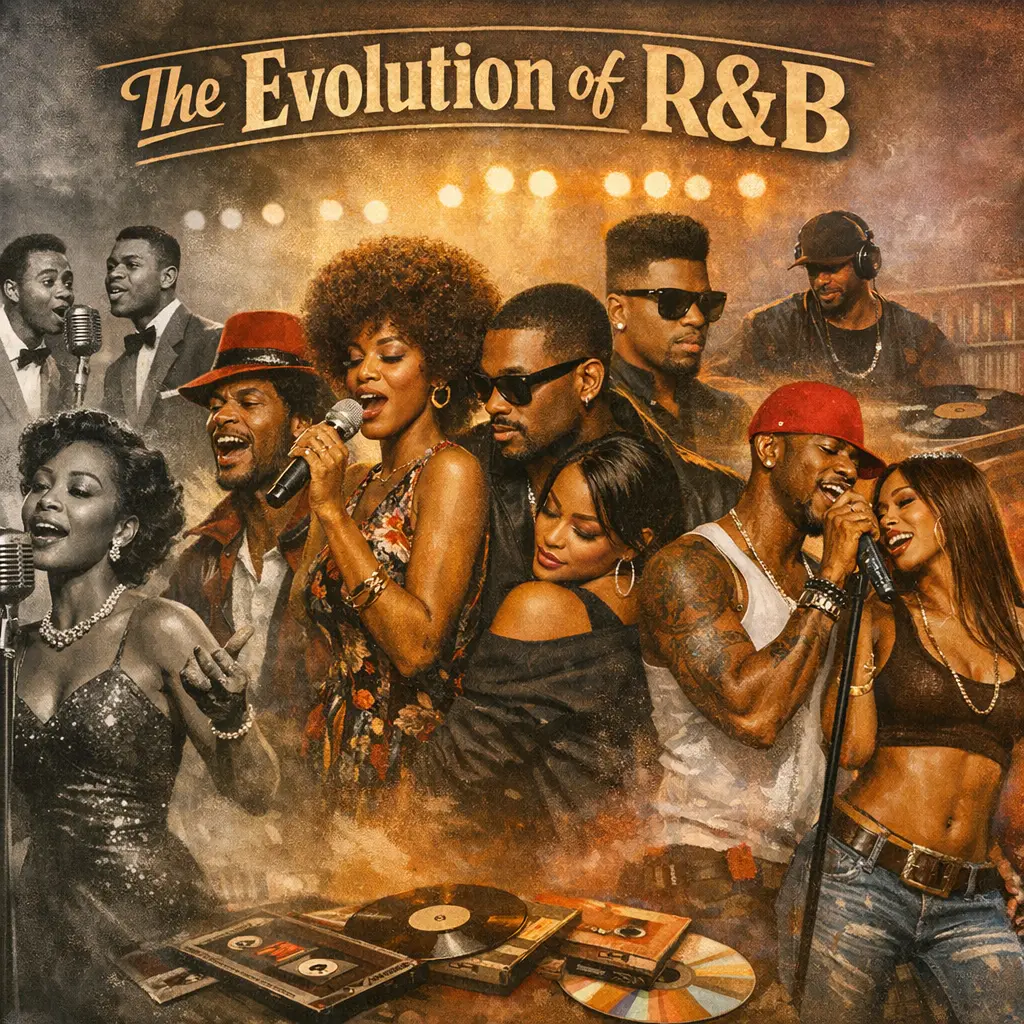
Music plays a significant role in economic development by generating employment, fostering tourism, and promoting cultural exports. Iconic musicians and bands often drive local and global music industries, attracting investment and creating opportunities for related sectors such as fashion, technology, and media. Additionally, music festivals and events stimulate local economies by increasing demand for hospitality and services, while music education and innovation contribute to long-term economic growth and cultural enrichment.
The Role of Music in Economic Development
Music plays a significant role in economic development by generating employment, fostering tourism, and promoting cultural exports. Iconic musicians and bands often drive local and global music industries, attracting investment and creating opportunities for related sectors such as fashion, technology, and media. Additionally, music festivals and events stimulate local economies by increasing demand for hospitality and services, while music education and innovation contribute to long-term economic growth and cultural enrichment.

💡 Key Takeaways
- Understand how music-driven activities create jobs and business opportunities in a regional economy.
- Learn how live events, venues, and tourism associated with music boost local income and GDP.
- Explore how music education and talent development contribute to workforce skills and innovation.
- Recognize how policy, licensing, and digital platforms shape the economics of the music industry.
❓ Frequently Asked Questions
What is the role of music in economic development?
Music generates revenue through performances, recordings, licensing, and merchandising; creates jobs across creative and technical fields; and boosts tourism, branding, and related local businesses.
How does hosting music events benefit a city?
Events attract attendees who spend on tickets, food, lodging, and transport, support venues and staff, and raise the city's cultural profile, which can attract investment.
What is the impact of music streaming and digital platforms on the economy?
Streaming expands audiences and licensing revenue for creators, supports tech and data services, and drives new business models, while reshaping traditional income streams.
How can policymakers support music for development?
Provide funding and grants, offer tax incentives, protect intellectual property, invest in music education and infrastructure, and streamline licensing to help creators monetize their work.