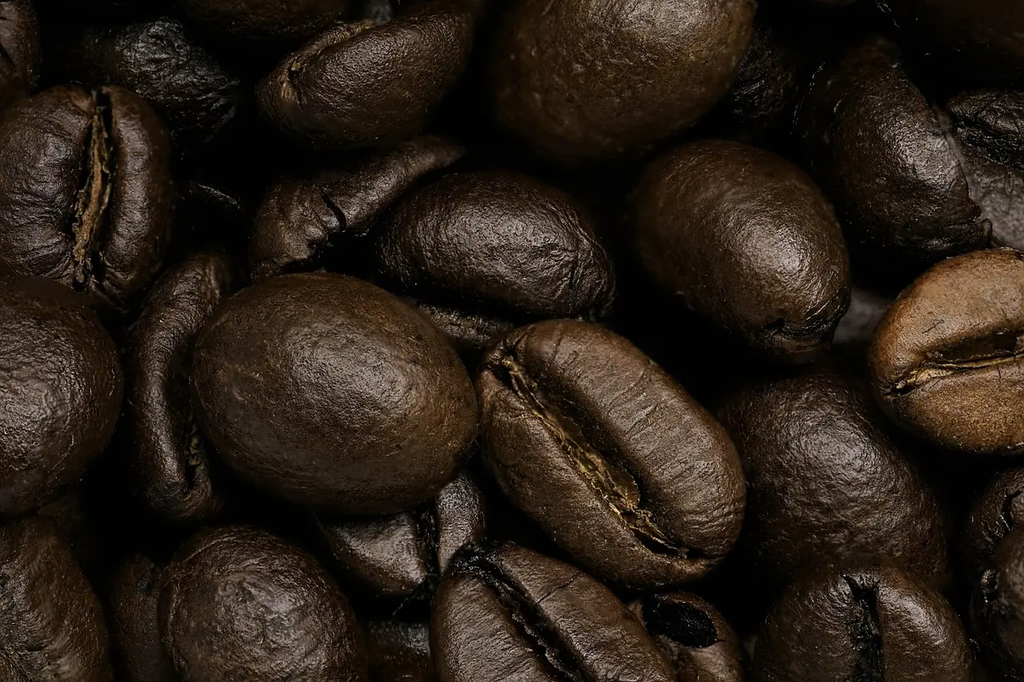
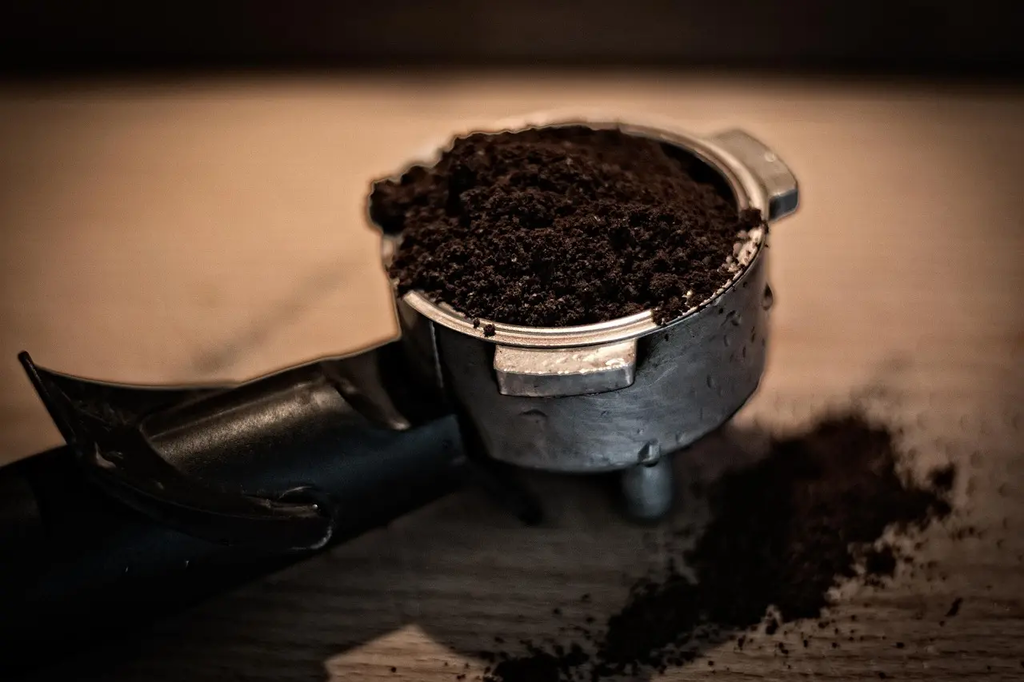
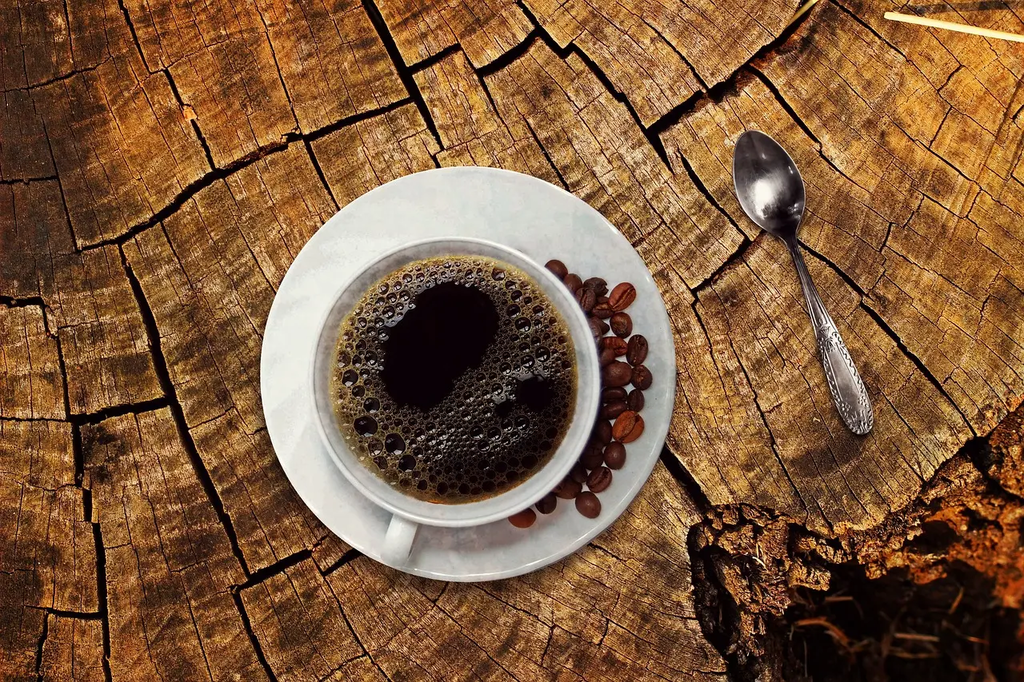
The Science of Espresso explores the precise chemistry and physics behind brewing the perfect shot, from bean selection and grind size to water temperature and pressure. It delves into how variables affect flavor, aroma, and crema, while also examining caffeine’s effects on the human body. This phrase encompasses not only the technical process but also the broader cultural rituals and social significance surrounding coffee consumption worldwide.
The Science of Espresso
The Science of Espresso explores the precise chemistry and physics behind brewing the perfect shot, from bean selection and grind size to water temperature and pressure. It delves into how variables affect flavor, aroma, and crema, while also examining caffeine’s effects on the human body. This phrase encompasses not only the technical process but also the broader cultural rituals and social significance surrounding coffee consumption worldwide.

💡 Key Takeaways
- Understand how water temperature, pressure, grind size, and extraction time shape espresso flavor and balance.
- Learn how crema forms and what it reveals about extraction quality.
- Explore how dose, tamping, and shot yield influence espresso strength and mouthfeel.
- Discover how roast level and grind affect soluble compounds, aroma, and aftertaste in espresso.
❓ Frequently Asked Questions
What makes espresso different from other coffee brewing methods?
Espresso uses high-pressure extraction (about 9 bars) through finely ground coffee in a short brew (roughly 25–30 seconds), yielding a concentrated shot with a rich crema.
How does grind size affect espresso extraction?
Grind size controls surface area and flow. Finer grinds slow flow and can over-extract and taste bitter; coarser grinds under-extract and taste weak or sour. Aim for even, consistent grind for balanced extraction.
What role do temperature and water quality play in espresso?
Brewing water around 90–96°C (194–205°F) aids balanced extraction. Mineral content and water hardness influence sweetness, acidity, and crema; poor water can dull flavors or cause scaling.
What is crema and how does it form?
Crema is the golden-brown foam on top formed by emulsified oils and dissolved gases under pressure during extraction; it signals proper extraction and freshness, but isn’t the sole indicator of quality.