The sewing machine revolutionized the textile industry by automating the process of stitching fabric together, making clothing production faster, more efficient, and accessible. Invented in the 19th century, it enabled mass production and transformed home sewing. Its impact extended beyond industry, empowering individuals, especially women, with new skills and economic opportunities. As an iconic invention, the sewing machine symbolizes innovation, creativity, and the evolution of modern manufacturing.
The Sewing Machine+50
The sewing machine revolutionized the textile industry by automating the process of stitching fabric together, making clothing production faster, more efficient, and accessible. Invented in the 19th century, it enabled mass production and transformed home sewing. Its impact extended beyond industry, empowering individuals, especially women, with new skills and economic opportunities. As an iconic invention, the sewing machine symbolizes innovation, creativity, and the evolution of modern manufacturing.
💡 Key Takeaways
- Identify the core parts of a sewing machine and their functions.
- Thread the machine properly and wind a bobbin with correct tension.
- Use basic stitches (straight and zigzag) and adjust stitch length and tension for different fabrics.
- Troubleshoot common issues like thread jams or skipped stitches and practice safe operation.
❓ Frequently Asked Questions
What is a sewing machine and why is it useful?
A sewing machine stitches fabric quickly and consistently with a needle and thread, making garments, repairs, and crafts easier than hand sewing.
What are the essential parts of a standard sewing machine?
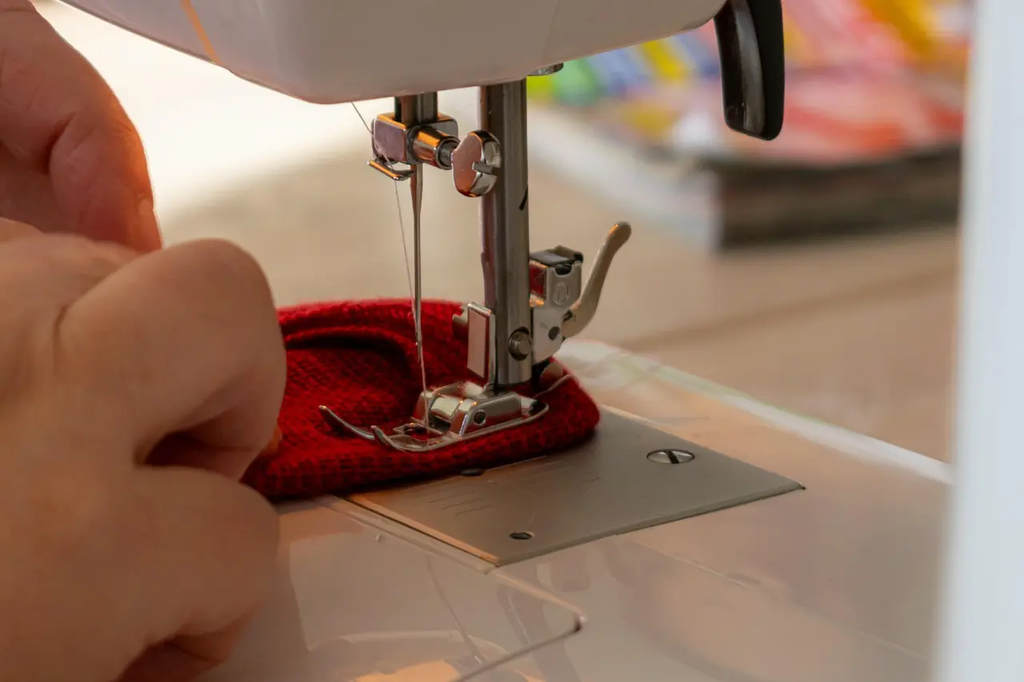
Common parts include the needle, presser foot, feed dogs, bobbin and bobbin case, thread spool, and tension discs.
How do you thread the machine and wind a bobbin?
Wind a bobbin on its spindle, place it in the bobbin case, thread the upper path through guides and the tension discs, then thread the needle from front to back. Check that the stitch is balanced on a test fabric.
What are the basic stitches and their typical uses?
Straight stitch for seams and topstitching; zigzag stitch for finishing edges or sewing stretchy fabrics; backstitch to secure the start and end of a seam.