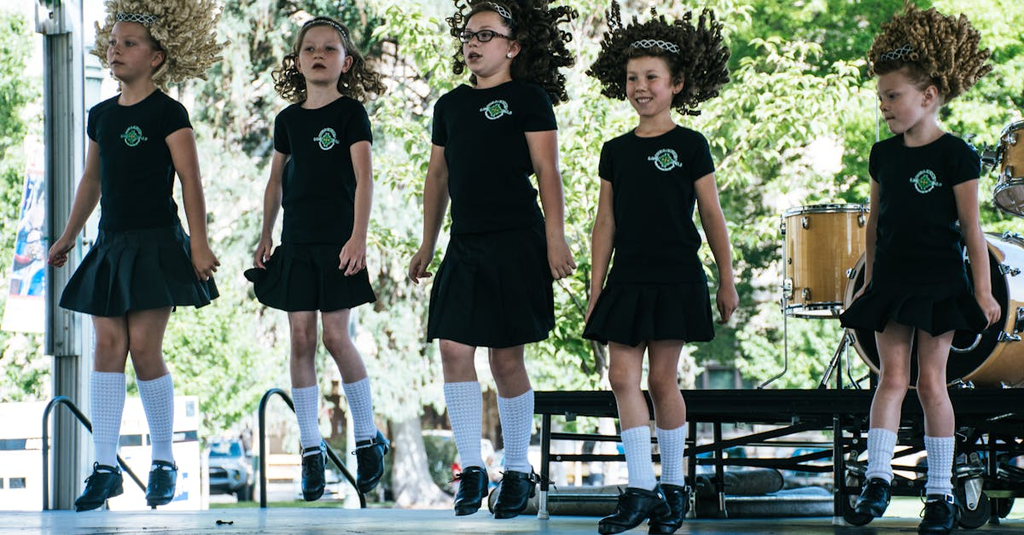
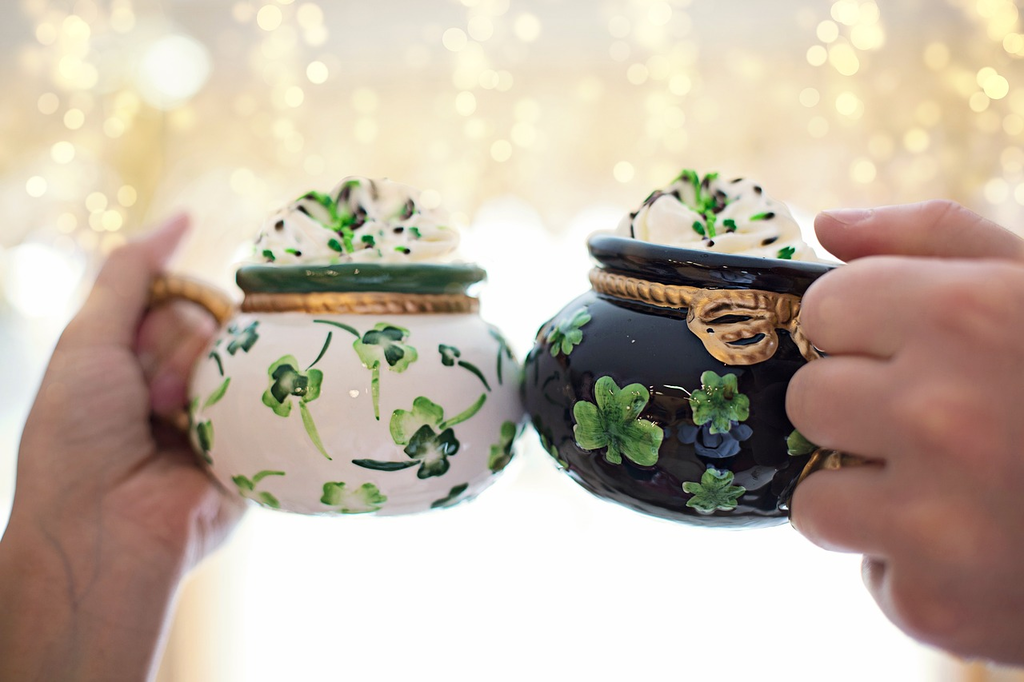
The shamrock, a three-leafed clover, is a symbol closely associated with St. Patrick’s Day and Irish culture. According to legend, St. Patrick used the shamrock to explain the concept of the Holy Trinity—Father, Son, and Holy Spirit—to the Irish people. Today, it represents good luck, Irish heritage, and is widely worn or displayed during St. Patrick’s Day celebrations as a sign of national pride and festivity.
The Shamrock+50
The shamrock, a three-leafed clover, is a symbol closely associated with St. Patrick’s Day and Irish culture. According to legend, St. Patrick used the shamrock to explain the concept of the Holy Trinity—Father, Son, and Holy Spirit—to the Irish people. Today, it represents good luck, Irish heritage, and is widely worn or displayed during St. Patrick’s Day celebrations as a sign of national pride and festivity.
💡 Key Takeaways
- Understand what the shamrock symbolizes in Irish culture and its link to St. Patrick's Day.
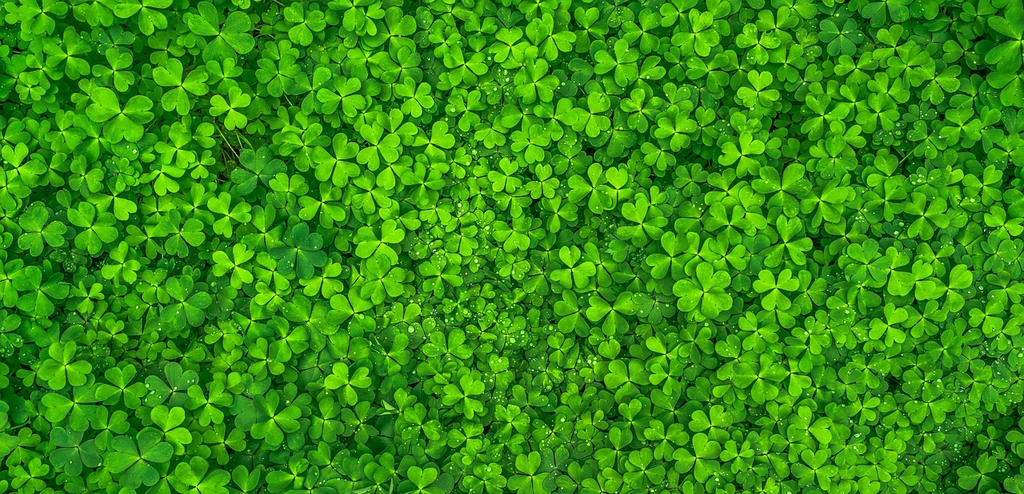
- Know that the shamrock typically refers to a three-leaf clover (a trifoliate leaf plant), not a specific species.
- Identify common uses of the shamrock in Irish symbolism, logos, and celebrations.
- Learn some folklore about the shamrock and how it relates to cultural traditions versus botanical facts.
❓ Frequently Asked Questions
What is a shamrock?
A three-leaf clover commonly associated with Ireland and St. Patrick's Day.
Why is the shamrock a symbol of Ireland?
Legends say St. Patrick used its three leaves to explain the Trinity, and it has since become a national emblem.
What does the shamrock's three leaves represent?
Traditionally the Trinity (Father, Son, and Holy Spirit); in everyday use it’s also seen as a symbol of luck.
Is a shamrock the same as a clover?
Yes—a shamrock is a three-leaf clover; the term is cultural, not a specific species.