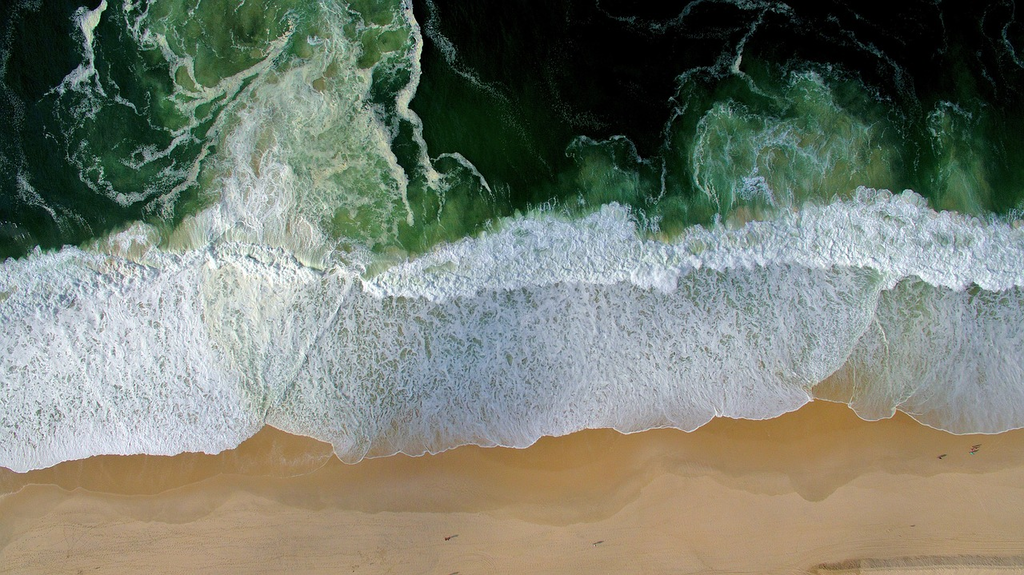
Tidal waves, often confused with tsunamis, are powerful natural phenomena caused by the gravitational pull of the moon and sun or underwater disturbances like earthquakes. They can unleash immense energy, sending massive walls of water crashing onto shorelines. These waves demonstrate nature’s unpredictable and destructive force, threatening coastal communities with flooding, erosion, and devastation. Tidal waves serve as a stark reminder of the planet’s raw, uncontrollable power and the need for respect and preparedness.
Tidal Waves
Tidal waves, often confused with tsunamis, are powerful natural phenomena caused by the gravitational pull of the moon and sun or underwater disturbances like earthquakes. They can unleash immense energy, sending massive walls of water crashing onto shorelines. These waves demonstrate nature’s unpredictable and destructive force, threatening coastal communities with flooding, erosion, and devastation. Tidal waves serve as a stark reminder of the planet’s raw, uncontrollable power and the need for respect and preparedness.
💡 Key Takeaways
- Distinguish tides, waves, and tsunamis and understand how each is formed
- Explain how tsunami waves differ from ordinary ocean waves in speed, wavelength, and height
- Identify common warning signs and the safest actions to take during a tidal wave or tsunami event
- Debunk common myths about tidal waves and coastal hazards
❓ Frequently Asked Questions
What is the difference between tides and waves?
Tides are slow, predictable changes in sea level caused by the Moon's and Sun's gravity. Waves are surface disturbances caused by wind or other energy sources.
Is 'tidal wave' a real term?
No. It’s a misnomer. Tides are gravity-driven sea-level changes, while tsunamis are rapid, long-wavelength waves caused by underwater disturbances.
What causes tsunamis and how do they differ from regular ocean waves?
Tsunamis are usually triggered by earthquakes, landslides, or volcanic eruptions that displace large water columns. They have long wavelengths and travel fast, unlike wind-generated waves with shorter wavelengths.
How do tides work in practice?
Tides result from the gravitational pull of the Moon and Sun on Earth's oceans, creating bulges. As the Earth rotates, coastlines experience high and low tides roughly twice daily.