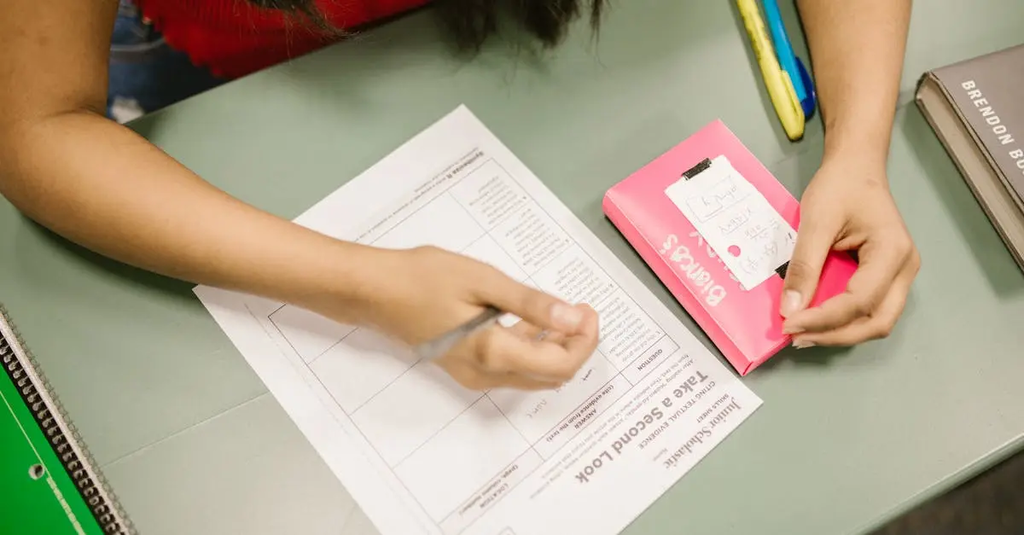
Time management for teachers involves effectively organizing and prioritizing tasks such as lesson planning, grading, classroom instruction, and administrative duties within limited time frames. It helps educators balance their professional responsibilities with personal well-being, reduce stress, and improve productivity. Good time management enables teachers to deliver quality education, meet deadlines, and create a positive learning environment, ultimately benefiting both themselves and their students.
Time Management for Teachers
Time management for teachers involves effectively organizing and prioritizing tasks such as lesson planning, grading, classroom instruction, and administrative duties within limited time frames. It helps educators balance their professional responsibilities with personal well-being, reduce stress, and improve productivity. Good time management enables teachers to deliver quality education, meet deadlines, and create a positive learning environment, ultimately benefiting both themselves and their students.
💡 Key Takeaways
- Prioritize tasks with a simple system (urgent vs. important) and plan each day.
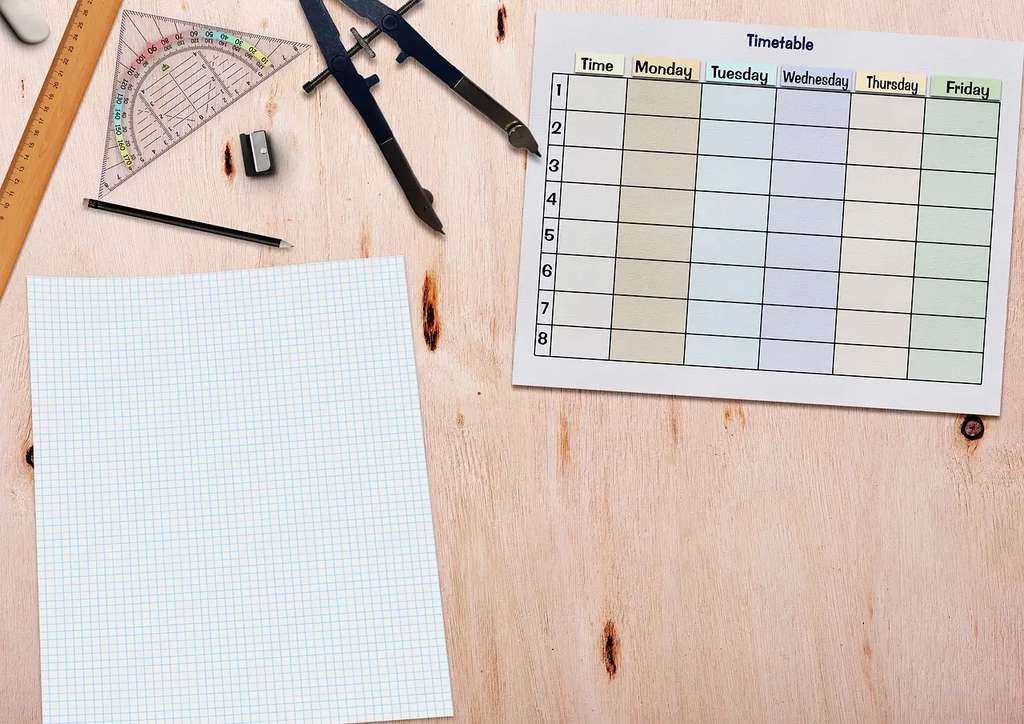
- Block time for major activities (lesson planning, grading, and administrative tasks) to protect instructional time.
- Use efficient grading and feedback strategies (rubrics, batch grading) to save time without sacrificing quality.
- Establish routines and boundaries to support personal well-being and reduce burnout.
❓ Frequently Asked Questions
What is time management for teachers?
Time management in teaching means organizing and prioritizing tasks (planning, grading, instruction, admin) to fit within work hours while protecting personal well-being.
What tasks should be prioritized in a teacher's day?
Prioritize core instructional tasks first—lesson planning and delivery, student feedback, and timely assessment. Administrative duties can be scheduled around these core activities.
What practical strategies help manage time effectively?
Use time blocks for different activities, batch similar tasks (grading, planning), create ready-to-use templates, set realistic deadlines, and build buffers for interruptions.
How does time management support teacher well-being?
It provides structure, prevents last-minute rushes, preserves personal time, and helps balance workload with self-care.