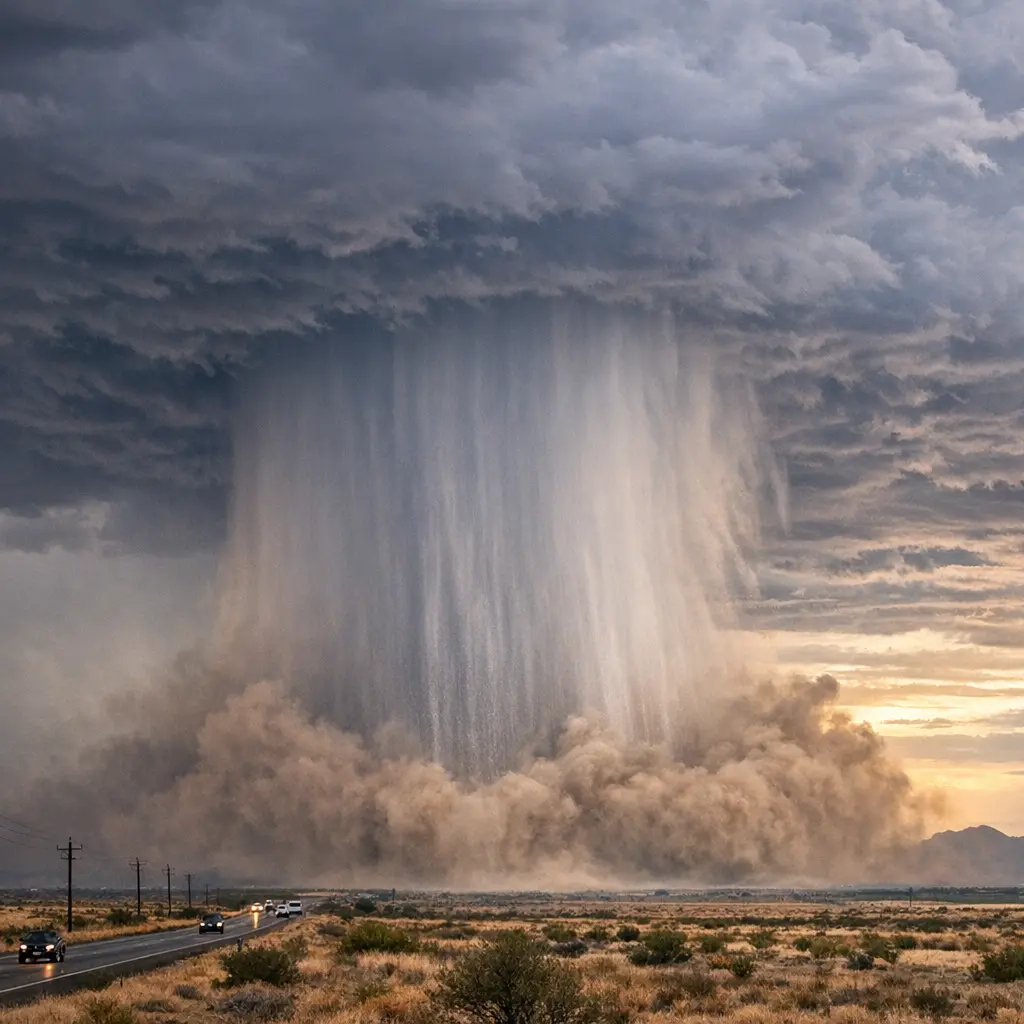
Tornadoes, often called nature’s scary side, are powerful rotating columns of air that extend from thunderstorms to the ground. They can cause widespread destruction with their intense winds, uprooting trees, demolishing buildings, and hurling debris over great distances. Their unpredictable paths and sudden formation make them especially frightening. Tornadoes remind us of nature’s immense power and the importance of respecting weather warnings and safety measures.
Tornadoes+50
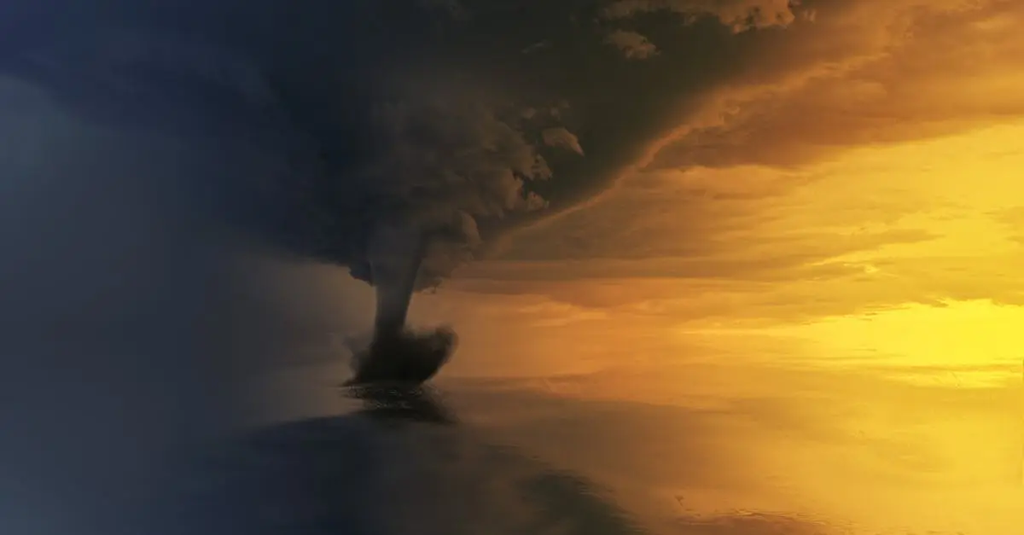
Tornadoes, often called nature’s scary side, are powerful rotating columns of air that extend from thunderstorms to the ground. They can cause widespread destruction with their intense winds, uprooting trees, demolishing buildings, and hurling debris over great distances. Their unpredictable paths and sudden formation make them especially frightening. Tornadoes remind us of nature’s immense power and the importance of respecting weather warnings and safety measures.
💡 Key Takeaways
- Understand what a tornado is and the basic mechanics of its formation.
- Learn the stages of tornado development and the role of rotating thunderstorms.
- Know essential safety practices during a tornado watch or warning and how to shelter.
- Understand how tornadoes are tracked and classified (EF scale) and how forecasts and warnings work.
❓ Frequently Asked Questions
What is a tornado?
A rapidly rotating column of air that extends from a thunderstorm to the ground; a funnel cloud is a rotating cloud that may not touch the ground.
How do tornadoes typically form?
They usually develop from strong, rotating thunderstorm updrafts (mesocyclones) in supercell storms caused by vertical wind shear.
What is the difference between a tornado watch and a tornado warning?
A watch means conditions are favorable for tornadoes; a warning means a tornado is imminent or already occurring—seek shelter immediately.
What is the Enhanced Fujita (EF) scale?
It rates tornadoes by the damage they cause on a scale from EF0 to EF5; wind speeds are estimates based on observed damage.
How can you stay safe during a tornado?
Go to a sturdy building’s lowest level interior room, away from windows; cover your head and protect yourself until the danger passes.