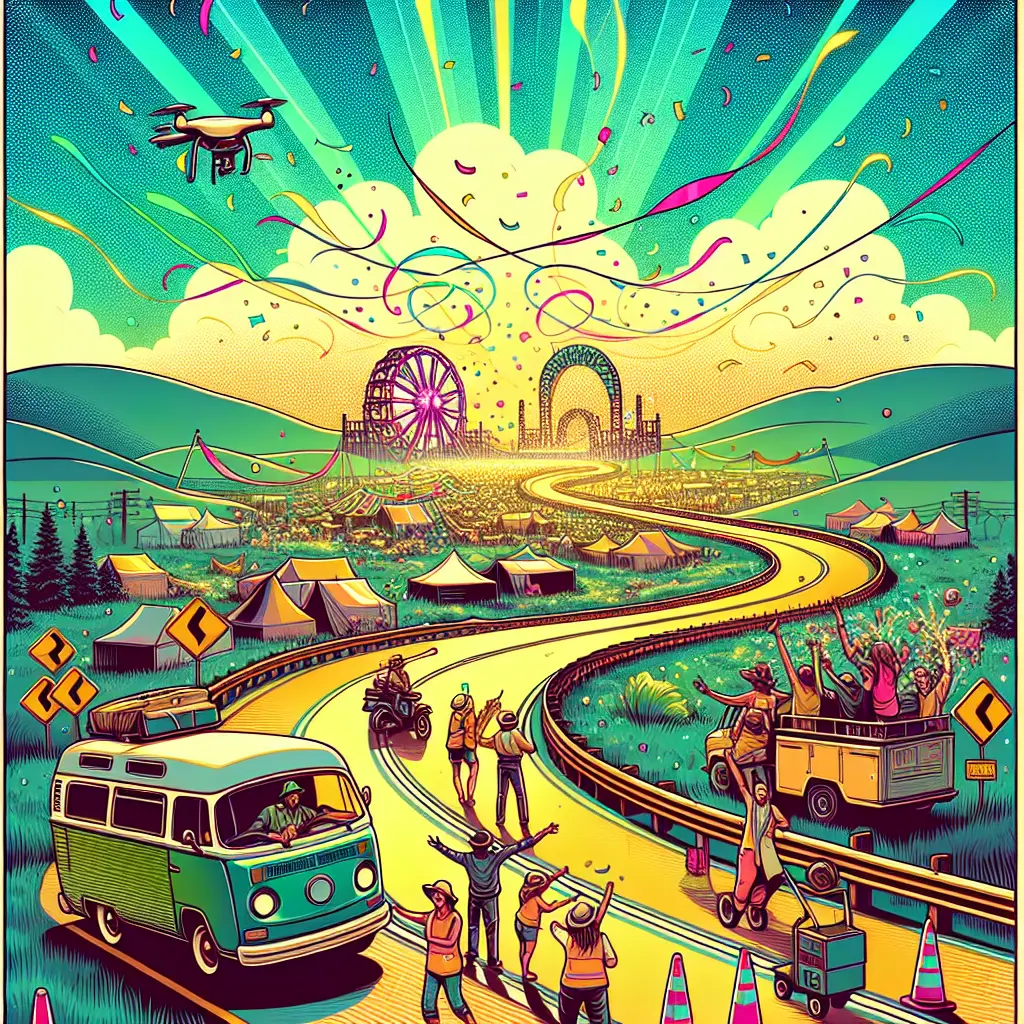
Touring, Festivals & Road Operations refers to the planning, management, and execution of live music events, including concerts on tour, large-scale music festivals, and the logistical aspects of moving artists, equipment, and crews between venues. This encompasses coordinating schedules, transportation, accommodations, stage setups, and technical requirements to ensure seamless performances and successful events, while also addressing safety, compliance, and audience experience across multiple locations.
Touring, Festivals & Road Operations
Touring, Festivals & Road Operations refers to the planning, management, and execution of live music events, including concerts on tour, large-scale music festivals, and the logistical aspects of moving artists, equipment, and crews between venues. This encompasses coordinating schedules, transportation, accommodations, stage setups, and technical requirements to ensure seamless performances and successful events, while also addressing safety, compliance, and audience experience across multiple locations.
💡 Key Takeaways
- Plan an efficient tour itinerary that balances travel time with festival dates and downtime.
- Know essential road safety and vehicle maintenance practices for long-distance touring.
- Understand festival logistics, including ticketing, access, transport, and on-site coordination.
- Coordinate with venues, crews, and vendors to manage load-in, staging, and load-out operations.
❓ Frequently Asked Questions
What is touring in the context of events?
A tour is a planned series of performances at multiple venues over a period, traveling between cities with a shared show and schedule.
What are the key components of a festival road operations plan?
Site access and traffic control, load-in/load-out windows, power and AV needs, security, medical staffing, and safety communications.
How are transportation and equipment typically managed during a tour?
A travel plan for vehicles, routes and timing; arranging backline and gear; coordinating crew and load-ins to stay on schedule.
Why are permits and regulatory compliance important for tours and festivals?
They ensure legal operation, safe traffic flow, noise control, and access to utilities; neglect can cause fines or cancellations.
What is backline, and why is it important for touring?
Backline is the artist’s or show’s standard equipment (amps, drums, keyboards) provided for a venue; coordinating it prevents delays and inconsistencies.