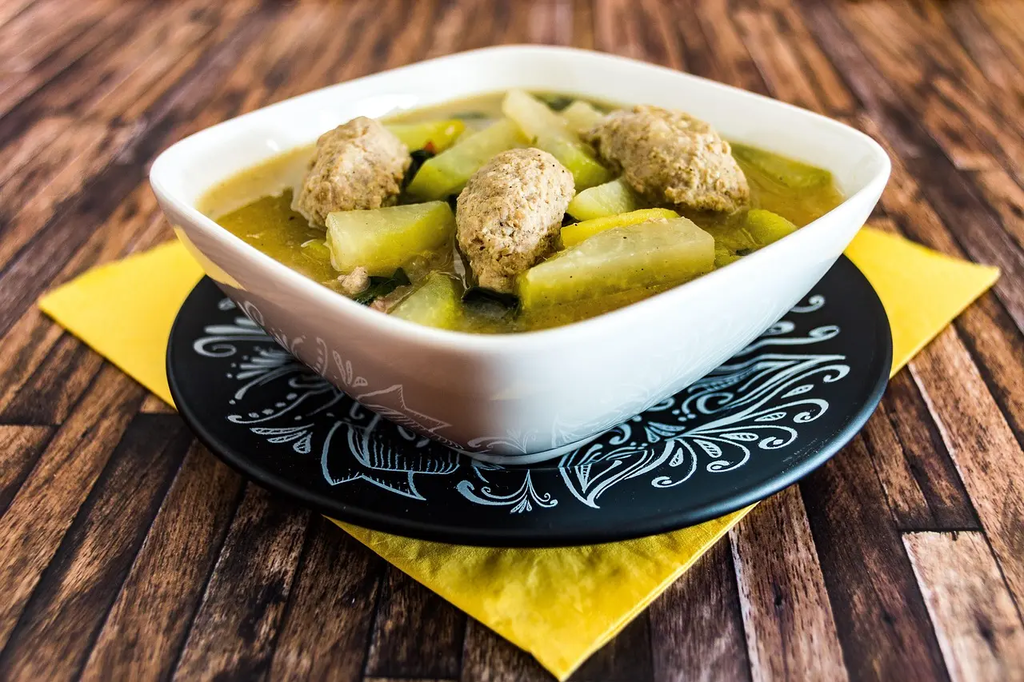
Tourism significantly contributes to the UK food economy by increasing demand for local produce, restaurants, and food services. Visitors often seek authentic culinary experiences, boosting sales for regional specialties and supporting farmers, producers, and hospitality businesses. This influx of tourists helps create jobs, drives innovation in food offerings, and encourages investment in food-related infrastructure, making the food sector a vital component of the broader UK tourism industry.
Tourism and the UK food economy
Tourism significantly contributes to the UK food economy by increasing demand for local produce, restaurants, and food services. Visitors often seek authentic culinary experiences, boosting sales for regional specialties and supporting farmers, producers, and hospitality businesses. This influx of tourists helps create jobs, drives innovation in food offerings, and encourages investment in food-related infrastructure, making the food sector a vital component of the broader UK tourism industry.

💡 Key Takeaways
- How tourism boosts demand for local produce, restaurants, and food services across the UK.
- Why visitors seek authentic culinary experiences and how this drives sales of regional specialties.
- The role of food tourism in supporting farmers, producers, and hospitality businesses through increased demand.
- The economic ripple effect of tourism on the UK food supply chain, employment, and regional economies.
- Strategies for destinations and businesses to leverage tourism for sustainable growth of the British food economy (e.g., local sourcing, food trails, seasonal menus).
❓ Frequently Asked Questions
What is the connection between tourism and the UK's food economy?
Tourism boosts demand for local produce, restaurants, and food services, helping farmers, producers, and hospitality businesses grow and sustain regional food industries and jobs.
How does tourism increase demand for local produce and regional specialties?
Visitors seek authentic regional dishes and ingredients, driving sales for local producers and encouraging preservation or expansion of regional foods and traditions.
Why do tourists seek authentic culinary experiences, and how does that help producers?
Authentic experiences attract visitors and support demand for traditional methods, artisanal products, and farm-to-table offerings, giving producers revenue and visibility.
Which parts of the UK hospitality and food sector benefit most from tourism?
Farmers, producers, markets, wholesalers, restaurants, cafes, pubs, hotels, and other food-service businesses benefit through increased sales, orders, and job opportunities.