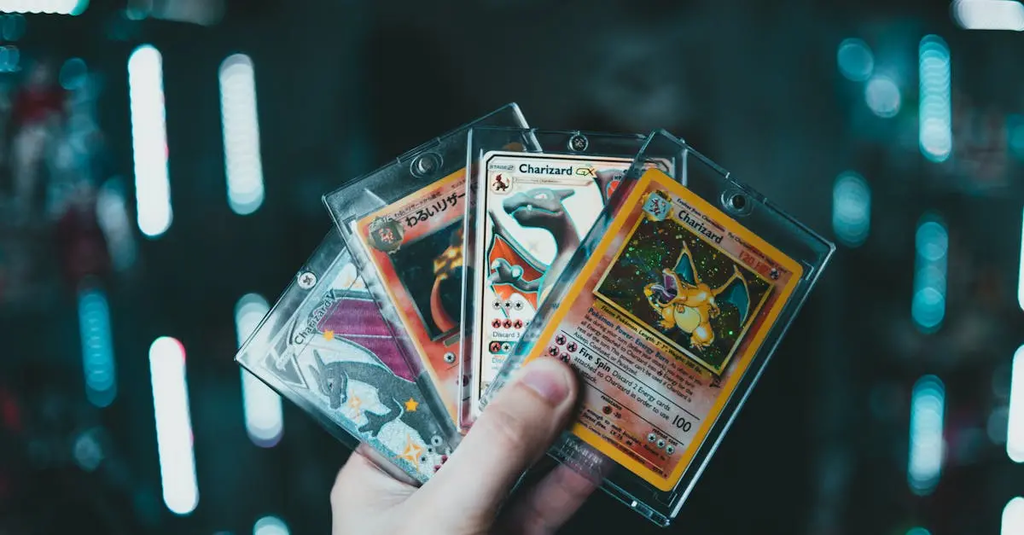
The trading cards craze, exemplified by Pokémon and Yu-Gi-Oh!, refers to the widespread enthusiasm for collecting, trading, and playing with collectible cards featuring characters, creatures, and special abilities. These cards became cultural phenomena, sparking tournaments, dedicated communities, and even secondary markets where rare cards fetch high prices. The craze appeals to fans of all ages, blending strategy, nostalgia, and competition, and continues to influence pop culture and gaming worldwide.
Trading Cards Craze (Pokémon, Yu-Gi-Oh!)
The trading cards craze, exemplified by Pokémon and Yu-Gi-Oh!, refers to the widespread enthusiasm for collecting, trading, and playing with collectible cards featuring characters, creatures, and special abilities. These cards became cultural phenomena, sparking tournaments, dedicated communities, and even secondary markets where rare cards fetch high prices. The craze appeals to fans of all ages, blending strategy, nostalgia, and competition, and continues to influence pop culture and gaming worldwide.
💡 Key Takeaways
- Trace how Pokémon and Yu-Gi-Oh! transform from games into cultural phenomena across decades
- Understand the three pillars of the hobby: collecting, trading, and playing, and how they fuel each other
- Explore how card design, rarities, and game mechanics affect deck building, strategy, and value
- See how nostalgia and communities sustain tournaments, events, and the market for vintage cards
❓ Frequently Asked Questions
What is the trading cards craze described here?
A popular hobby of collecting, trading, and playing with collectible cards that feature characters, creatures, and abilities—exemplified by Pokémon and Yu-Gi-Oh!
Why did Pokémon and Yu-Gi-Oh! become cultural phenomena?
They combined engaging games, appealing artwork, and strong media franchises to foster communities, tournaments, and ongoing excitement around card collecting.
How do trading card communities and tournaments work?
Fans gather at shops, events, or online to trade cards, build decks, and compete in organized or informal tournaments, sharing strategies and connections.
What role does nostalgia play, and how has the hobby evolved across decades?
Nostalgia drives renewed interest as people revisit childhood sets; decades of releases shape trends, with older cards often sought after while new sets keep the hobby current.