Travel Nutrition & Jet Lag Strategies refer to methods and dietary practices aimed at maintaining optimal health and energy while traveling, especially across time zones. These strategies include choosing balanced meals, staying hydrated, timing food intake to match new time zones, and avoiding heavy or sugary foods that may disrupt sleep. Proper nutrition, along with techniques like adjusting sleep schedules and light exposure, helps minimize jet lag and supports overall well-being during travel.
Travel Nutrition & Jet Lag Strategies
Travel Nutrition & Jet Lag Strategies refer to methods and dietary practices aimed at maintaining optimal health and energy while traveling, especially across time zones. These strategies include choosing balanced meals, staying hydrated, timing food intake to match new time zones, and avoiding heavy or sugary foods that may disrupt sleep. Proper nutrition, along with techniques like adjusting sleep schedules and light exposure, helps minimize jet lag and supports overall well-being during travel.
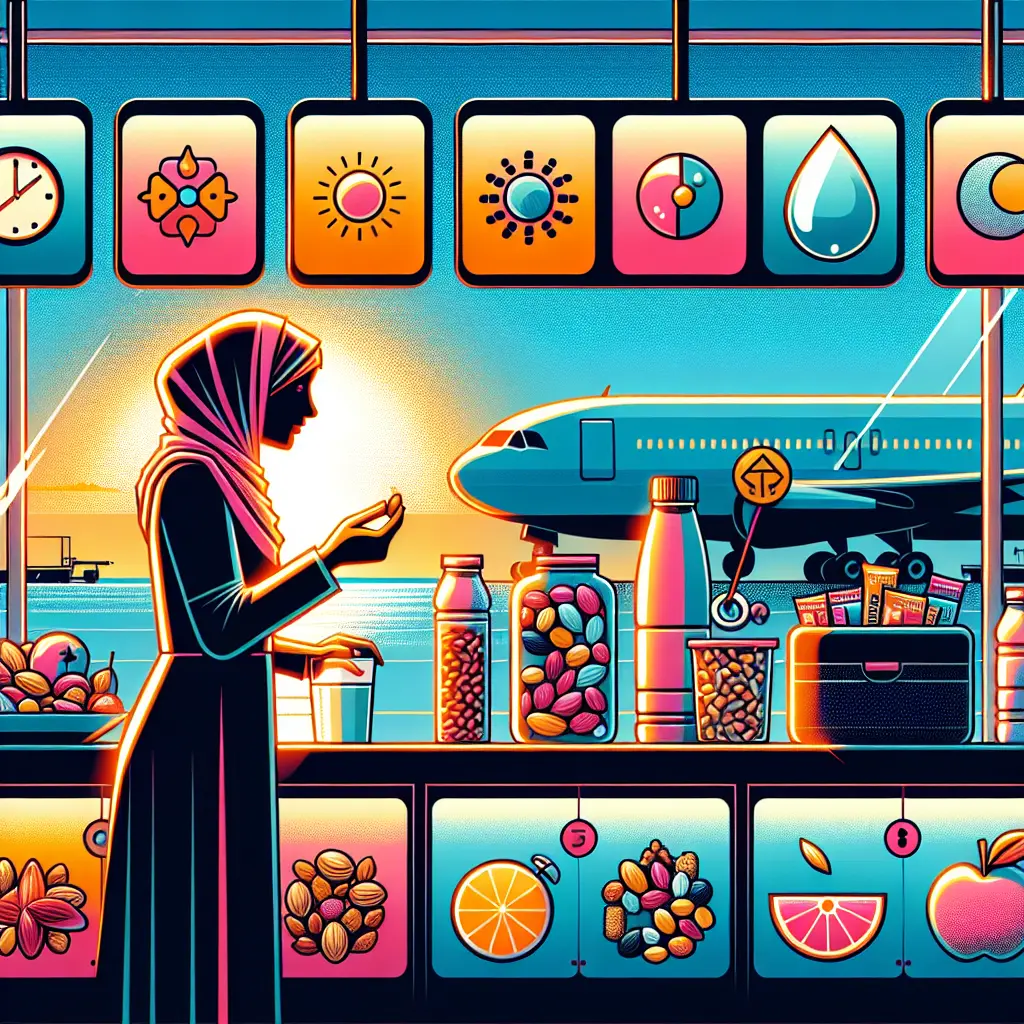
💡 Key Takeaways
- Learn how to time meals to the new time zone to ease circadian realignment and reduce jet lag.
- Build balanced travel meals and snacks with protein, fiber, and healthy fats to sustain energy on flights and layovers.
- Prioritize hydration and electrolytes to prevent fatigue and dehydration during air travel.
- Use strategic caffeine and meal choices to minimize sleep disruption and support sleep across time zones.
❓ Frequently Asked Questions
What is Travel Nutrition & Jet Lag Strategies?
A set of dietary and lifestyle practices designed to preserve energy, health, and alertness while traveling across time zones. It includes balanced meals, hydration, meal timing aligned with the destination schedule, and strategies to minimize heaviness.
How can I choose balanced meals while traveling?
Aim for meals with lean protein, fiber, healthy fats, and complex carbohydrates; include fruits or vegetables; keep portions moderate and avoid heavy fried or very spicy foods close to travel.
How should I manage hydration, caffeine, and alcohol during travel across time zones?
Drink water regularly (sip throughout the flight), limit alcohol, and use caffeine wisely—prefer morning local time and avoid late-day caffeine to support sleep.
How can I time meals to match the destination time zone and reset my body clock?
Begin shifting meal times a few days before travel, eat meals at local times after arrival, and use daylight exposure to help reset your internal clock.