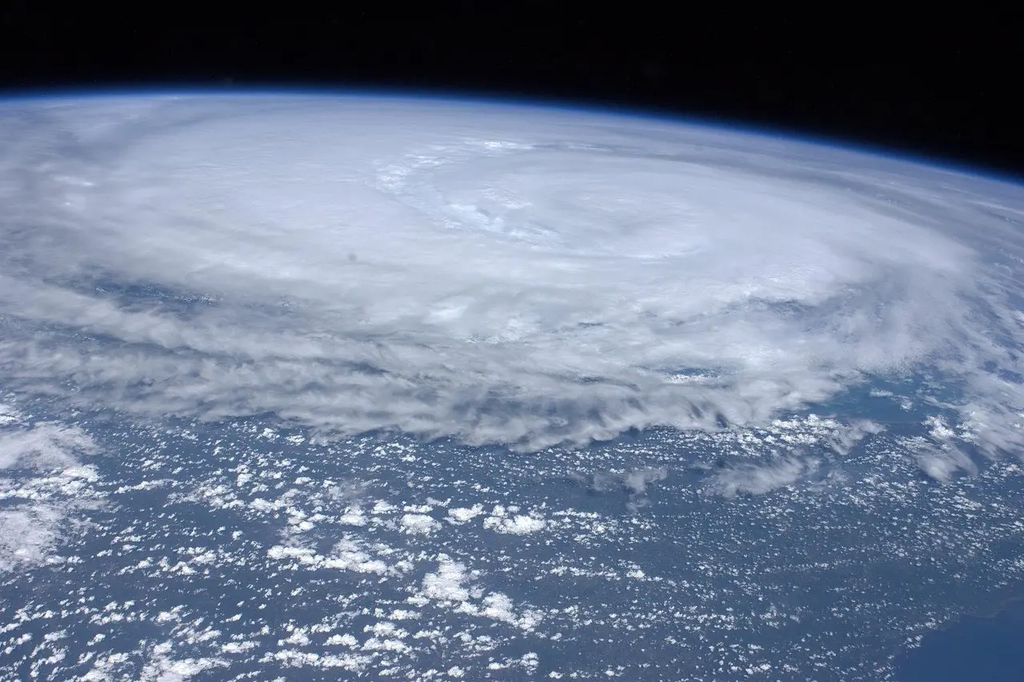
Tropical cyclones, often called hurricanes or typhoons, are powerful storms that form over warm ocean waters. With intense winds, heavy rain, and towering waves, they can cause devastating flooding and destruction along coastlines. These storms are nature’s scary side, unleashing immense energy and reminding us of the planet’s unpredictable power. Their impact can disrupt lives, damage infrastructure, and reshape entire landscapes in a matter of hours.
Tropical Cyclones
Tropical cyclones, often called hurricanes or typhoons, are powerful storms that form over warm ocean waters. With intense winds, heavy rain, and towering waves, they can cause devastating flooding and destruction along coastlines. These storms are nature’s scary side, unleashing immense energy and reminding us of the planet’s unpredictable power. Their impact can disrupt lives, damage infrastructure, and reshape entire landscapes in a matter of hours.
💡 Key Takeaways
- Understand what tropical cyclones are and where they form over warm ocean waters.
- Learn the lifecycle stages (tropical disturbance, tropical depression, tropical storm, hurricane/typhoon) and their wind-speed thresholds.
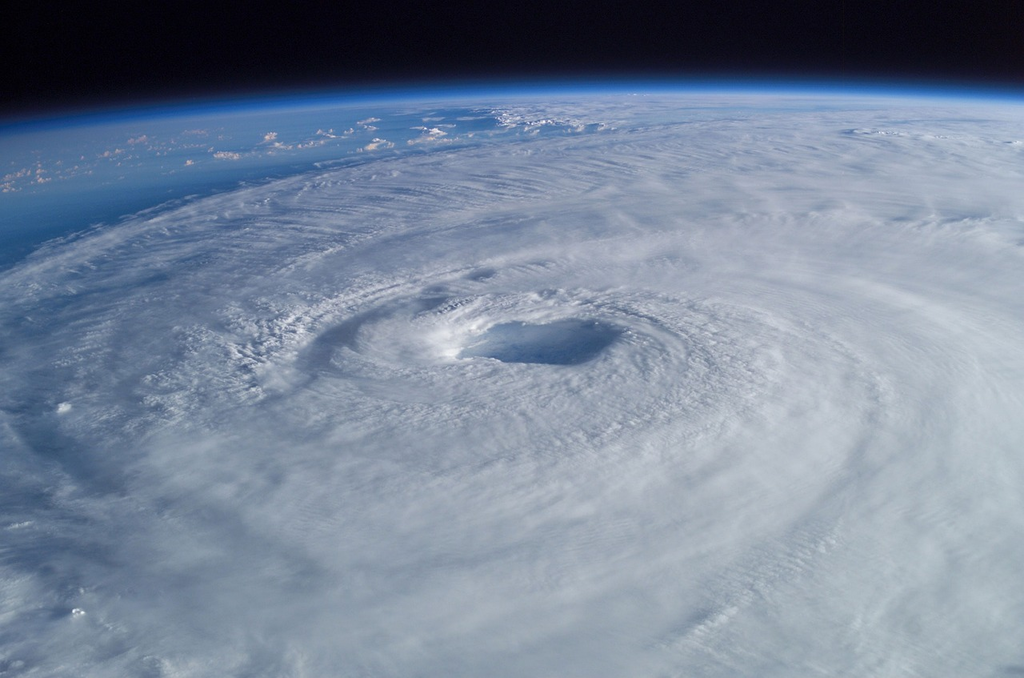
- Recognize the cyclone's internal structure (eye, eyewall, rainbands) and the role of warm-core air.
- Identify common hazards (strong winds, heavy rainfall, storm surge) and basic safety/ preparedness steps.
❓ Frequently Asked Questions
What is a tropical cyclone?
A rotating storm system formed over warm tropical oceans, fueled by heat and moisture. In different regions it’s called a hurricane, typhoon, or simply a tropical cyclone.
What are the regional names for tropical cyclones?
Hurricanes form in the Atlantic and northeast Pacific, typhoons in the western Pacific, and the general term tropical cyclone is used in other regions.
How is the strength of a tropical cyclone measured?
Intensity is typically measured by sustained wind speed, using the Saffir–Simpson scale (Categories 1–5) in many basins.
What hazards do tropical cyclones bring?
Damaging winds, heavy rainfall and floods, storm surge along coasts, and potential inland flooding and landslides.
What conditions are needed for tropical cyclone formation?
Warm sea surface temperatures (≥26.5°C/80°F), moist, unstable air, low wind shear, and a disturbance (like a tropical wave) to start convection.