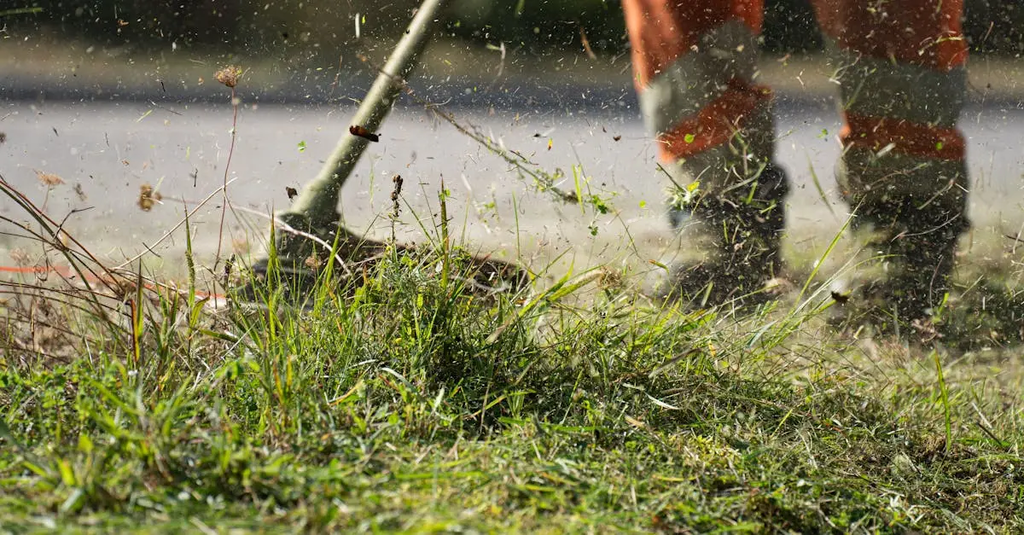
Turf management and fertilization involve practices designed to maintain healthy, attractive, and functional grass surfaces, such as lawns, sports fields, and golf courses. This process includes regular mowing, irrigation, weed and pest control, soil testing, and the application of fertilizers to supply essential nutrients. Proper turf management ensures dense, resilient grass growth, while fertilization promotes root development, color, and overall vitality, resulting in aesthetically pleasing and durable turf areas.
Turf Management & Fertilization
Turf management and fertilization involve practices designed to maintain healthy, attractive, and functional grass surfaces, such as lawns, sports fields, and golf courses. This process includes regular mowing, irrigation, weed and pest control, soil testing, and the application of fertilizers to supply essential nutrients. Proper turf management ensures dense, resilient grass growth, while fertilization promotes root development, color, and overall vitality, resulting in aesthetically pleasing and durable turf areas.
💡 Key Takeaways
- Understand the goals of turf management: healthy, attractive, and functional grass for lawns, sports fields, and golf courses.
- Know the core practices: mowing, irrigation, weed and pest control, soil testing, and fertilizer application.
- Learn how soil tests guide nutrient plans and irrigation to optimize turf health and minimize environmental impact.
- Recognize how setting (lawn, field, greens) and climate influence maintenance and fertilizer strategies.
❓ Frequently Asked Questions
What is turf management?
Turf management is the practice of maintaining healthy, attractive grass surfaces—such as lawns, sports fields, and golf courses—through mowing, irrigation, fertilization, weed and pest control, soil testing, and other cultural practices.
Why is soil testing important before fertilization?
Soil tests show nutrient levels and soil pH, helping you choose the right fertilizer and application rate to meet turf needs while reducing waste and environmental impact.
How should mowing be performed to promote healthy turf?
Mow regularly, follow the 1/3 rule (don’t remove more than one-third of blade at a time), keep blades sharp, and adjust mowing height to the grass type.
When should fertilizers be applied to turf?
Apply during periods of active growth: cool-season grasses in spring and fall, warm-season grasses in late spring through summer. Follow label rates and consider split applications if appropriate.