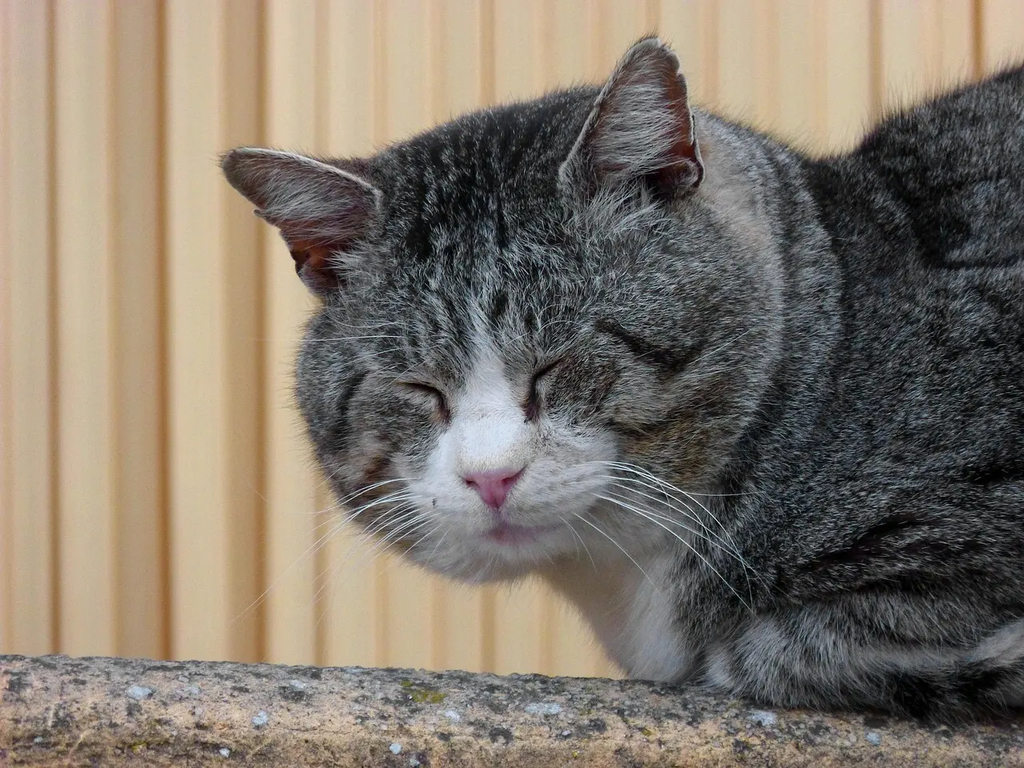
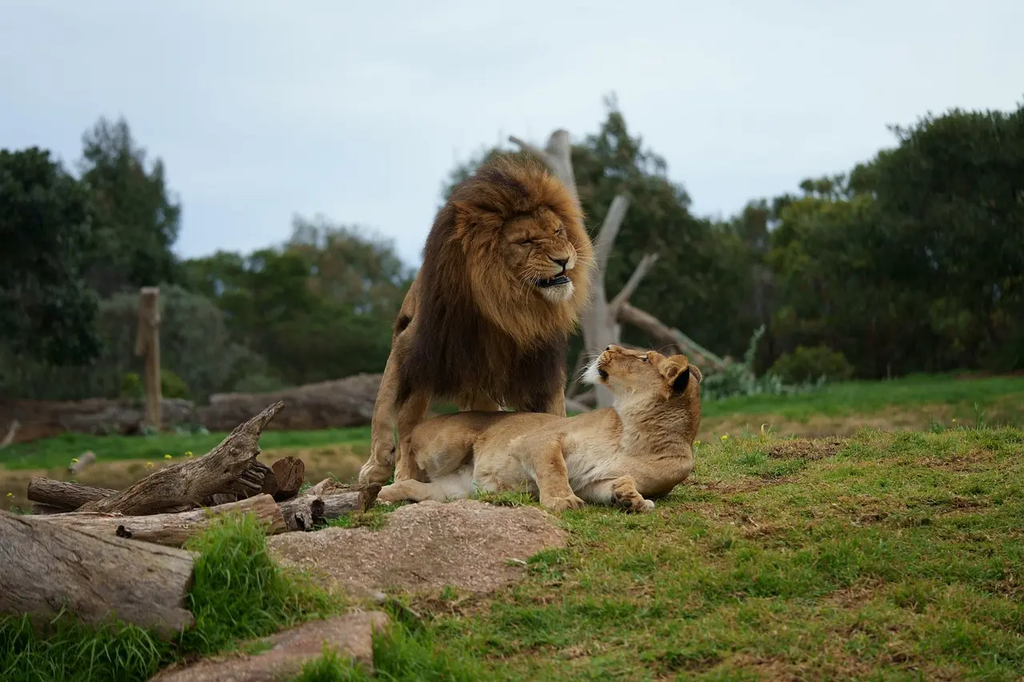
The phrase "Types of Animals (The Animal Kingdom)" refers to the broad classification of living organisms within the animal kingdom, which includes a diverse range of species. Animals are categorized into various groups such as mammals, birds, reptiles, amphibians, fish, and invertebrates. Each type shares common characteristics and behaviors, contributing to the rich biodiversity of the planet. Understanding these types helps in studying their roles in ecosystems and their interactions with the environment.
Types of Animals+50
The phrase "Types of Animals (The Animal Kingdom)" refers to the broad classification of living organisms within the animal kingdom, which includes a diverse range of species. Animals are categorized into various groups such as mammals, birds, reptiles, amphibians, fish, and invertebrates. Each type shares common characteristics and behaviors, contributing to the rich biodiversity of the planet. Understanding these types helps in studying their roles in ecosystems and their interactions with the environment.
💡 Key Takeaways
- Identify the major animal groups: mammals, birds, reptiles, amphibians, fish, and invertebrates.
- Describe key traits that distinguish each group (e.g., fur/feathers/scales, warm-blooded vs cold-blooded).
- Understand vertebrate vs invertebrate classification with examples.
- Apply classification to real-world animals by matching traits to their group.
❓ Frequently Asked Questions
What are the major animal groups?
Animals are divided into vertebrates (with backbones) and invertebrates (without backbones). Vertebrates include mammals, birds, reptiles, amphibians, and fish; invertebrates include insects, arachnids, mollusks, crustaceans, and cnidarians.
How can you tell a mammal from other animals?
Mammals are warm-blooded vertebrates with hair or fur, and females produce milk to feed their young.
What are the defining features of birds and reptiles?
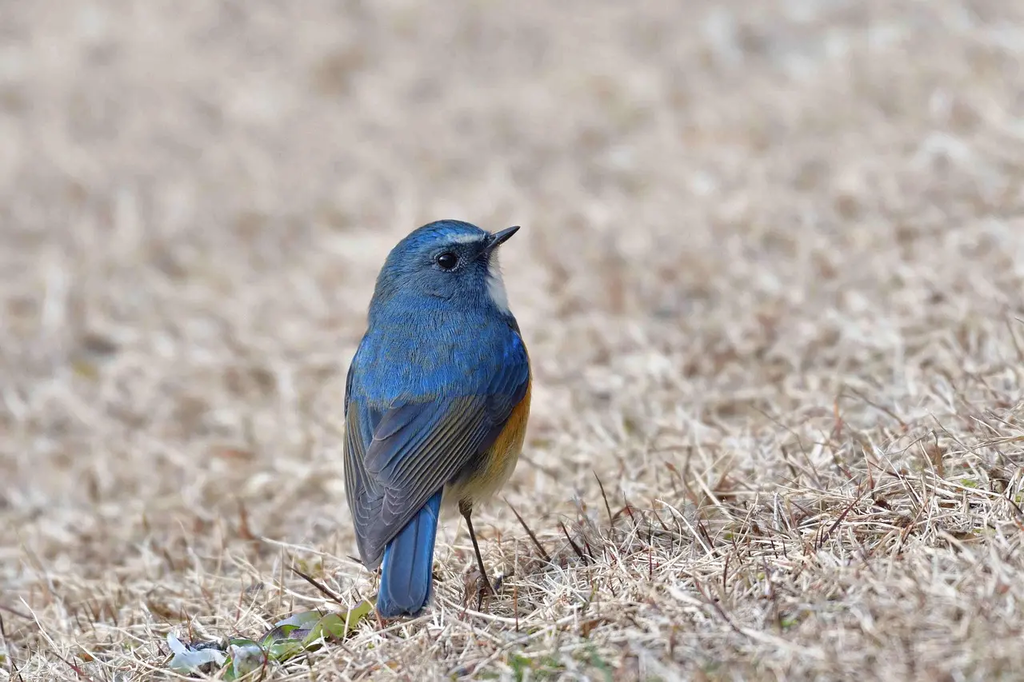
Birds are warm-blooded, have feathers and beaks, and lay hard-shelled eggs. Reptiles are cold-blooded, have scales, and typically lay eggs with leathery or hard shells (though some give birth to live young).
What does cold-blooded versus warm-blooded mean?
Cold-blooded (ectothermic) animals rely largely on the environment to regulate body temperature, while warm-blooded (endothermic) animals maintain a stable internal temperature.
What are common invertebrate groups with examples?
Common invertebrates include insects (beetles, butterflies), arachnids (spiders, scorpions), mollusks (snails, clams), crustaceans (crabs, lobsters), and cnidarians (jellyfish, corals).