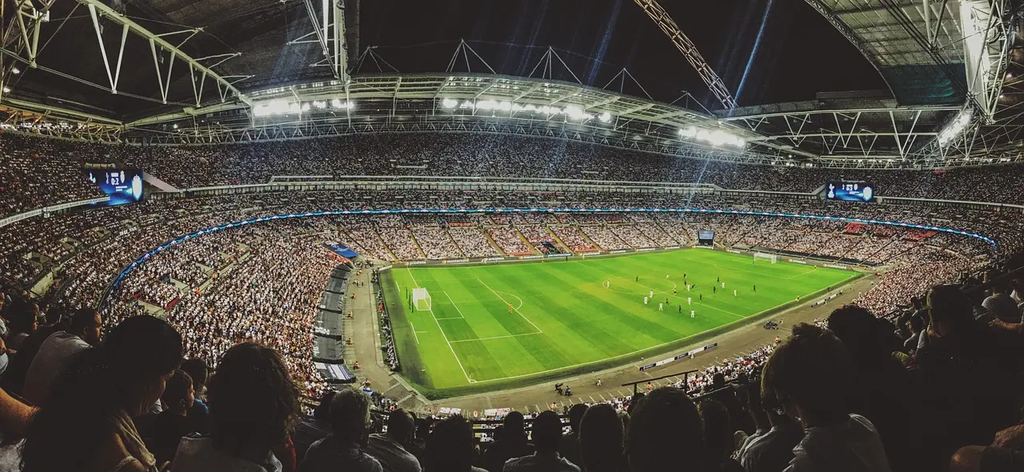
The UEFA Champions League (UCL) final is hosted annually in various prestigious stadiums across Europe, each located in a different city. These venues are selected for their capacity, facilities, and football heritage, showcasing iconic cities like Madrid, London, Istanbul, and Munich. Hosting the UCL final brings global attention, tourism, and economic benefits to the chosen city, making it a significant honor and event in European football culture.
UCL final venues and host cities
The UEFA Champions League (UCL) final is hosted annually in various prestigious stadiums across Europe, each located in a different city. These venues are selected for their capacity, facilities, and football heritage, showcasing iconic cities like Madrid, London, Istanbul, and Munich. Hosting the UCL final brings global attention, tourism, and economic benefits to the chosen city, making it a significant honor and event in European football culture.
💡 Key Takeaways
- Learn why the UCL final rotates across European cities and what this means for the match.
- Identify the key venue criteria: capacity, stadium facilities, and football heritage.
- Explore examples of host cities and stadiums, such as Madrid, London, Istanbul, and Munich.
- Understand how the venue influences fan experience, travel, and overall final atmosphere.
❓ Frequently Asked Questions
What is the UEFA Champions League final and what does 'venue' mean in this context?
The final is the season's championship match. The venue is the stadium and city chosen to host that match.
How are UCL final venues selected?
UEFA selects host cities/stadiums based on capacity, facilities, safety, transport, and football heritage; cities may bid to host the final years in advance.
Which iconic cities are commonly associated with hosting the UCL final?
Cities such as Madrid, London, Istanbul, and Munich have hosted or are known to host UCL finals, each featuring famous stadiums in historic football cities.
Can a city host the UCL final more than once?
Yes. A city can host the final multiple times if chosen again and if the stadium and facilities meet UEFA's requirements.