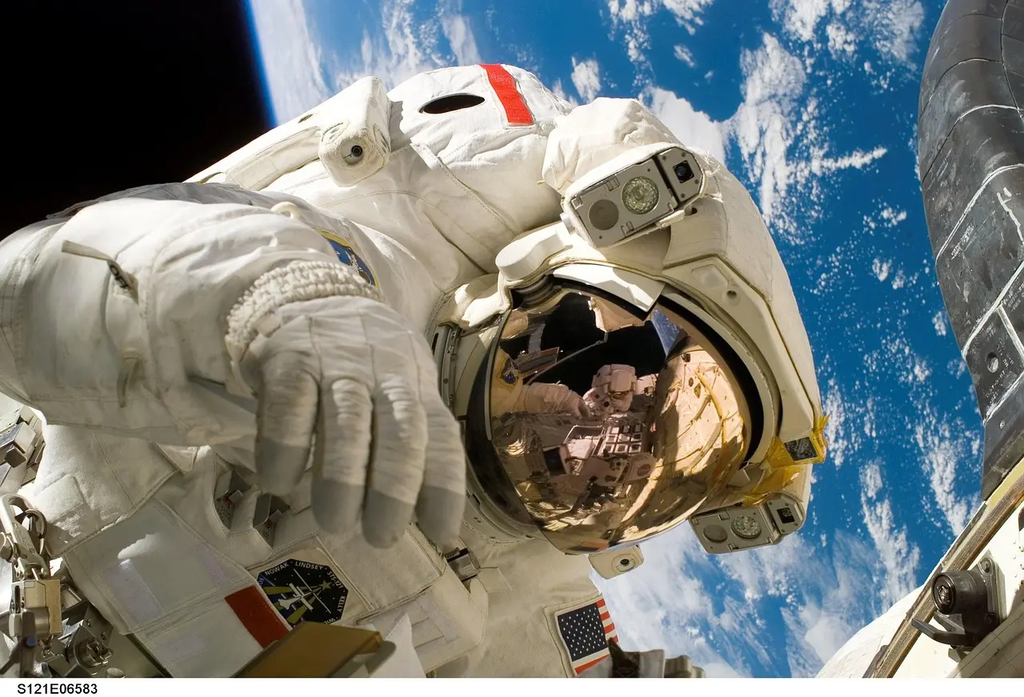
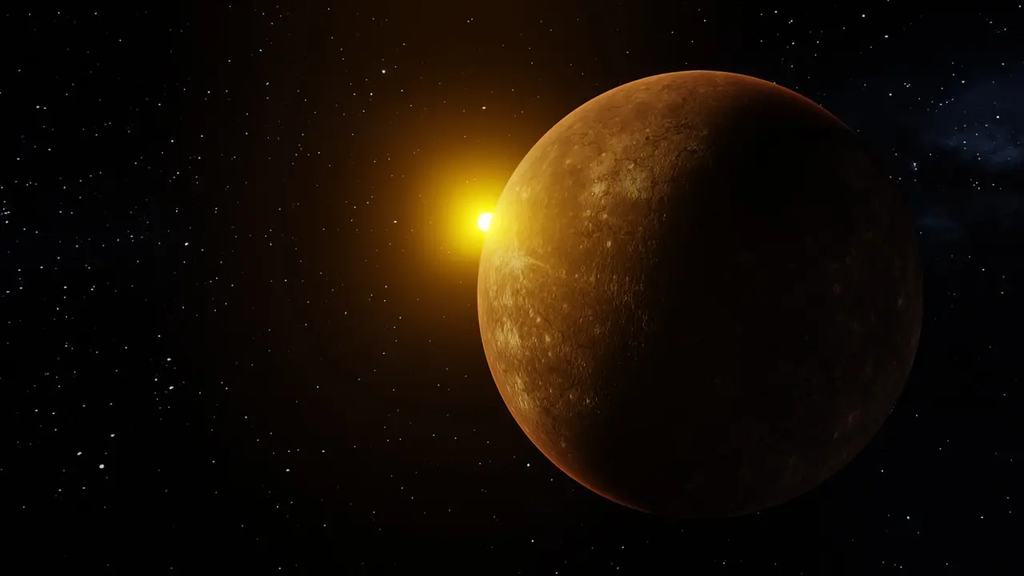
"Understanding Gravity (Space Quest: Explore the Planets and Stars)" refers to the exploration of how gravity shapes the universe. It involves learning about the force that attracts objects toward each other, influencing the movement of planets, stars, and galaxies. Through this quest, one discovers how gravity governs orbits, keeps planets in motion around the sun, and even affects the formation and behavior of celestial bodies throughout space.
Understanding Gravity+50
"Understanding Gravity (Space Quest: Explore the Planets and Stars)" refers to the exploration of how gravity shapes the universe. It involves learning about the force that attracts objects toward each other, influencing the movement of planets, stars, and galaxies. Through this quest, one discovers how gravity governs orbits, keeps planets in motion around the sun, and even affects the formation and behavior of celestial bodies throughout space.
💡 Key Takeaways
- Understand gravity as the universal force that attracts objects with mass.
- Distinguish between mass and weight and how gravity determines weight on Earth.
- Learn Newton's law of universal gravitation and how gravity changes with distance and mass.
- Recognize gravity's effects in daily life and cosmic contexts (free fall, tides, and orbits).
❓ Frequently Asked Questions
What is gravity?
Gravity is the force of attraction between masses. On Earth, it pulls objects toward the planet's center, giving them weight.
What is the difference between mass, weight, and gravity?
Mass is how much matter an object contains. Weight is the gravitational force on that mass (approximately mass × 9.81 m/s² on Earth). Gravity is the force that attracts masses to each other.
How does gravity affect motion and orbits?
Gravity pulls objects toward massive bodies, causing acceleration. In space, gravity can bend paths into orbits around planets or stars.
How can gravity be demonstrated or measured?
Drop objects of different masses to show they fall at the same rate (ignoring air resistance). Use a pendulum or a gravimeter to measure g, or analyze orbital motions with satellites.