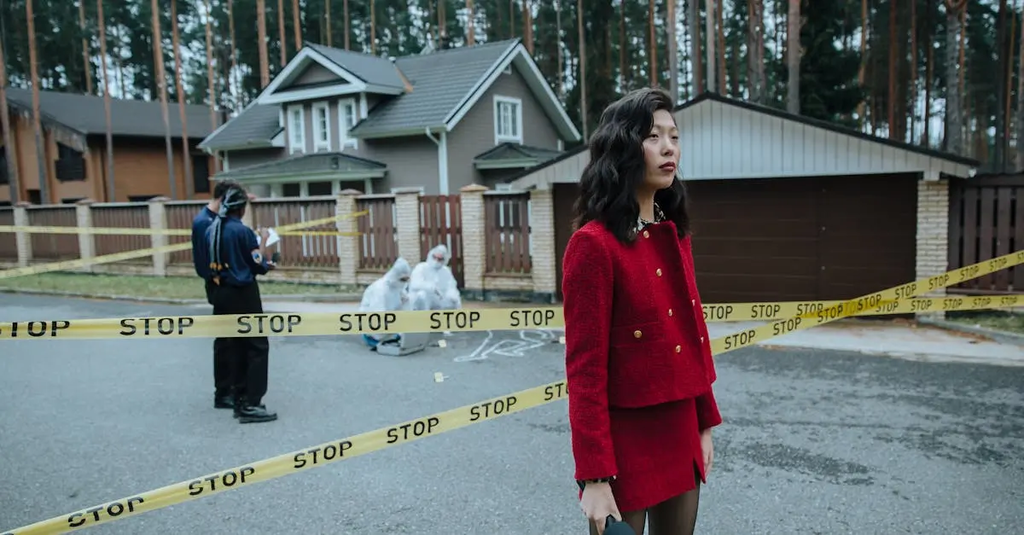
Unsolved mysteries that baffle investigators refer to perplexing cases or incidents that remain unresolved despite thorough investigations. These mysteries often involve missing persons, unexplained events, or enigmatic crimes that defy logical explanation. Investigators exhaust all leads and evidence, yet answers remain elusive, leaving both authorities and the public puzzled. Such cases captivate the imagination, sparking speculation and theories as people attempt to uncover the truth behind these enduring enigmas.
Unsolved Mysteries That Baffle Investigators
Unsolved mysteries that baffle investigators refer to perplexing cases or incidents that remain unresolved despite thorough investigations. These mysteries often involve missing persons, unexplained events, or enigmatic crimes that defy logical explanation. Investigators exhaust all leads and evidence, yet answers remain elusive, leaving both authorities and the public puzzled. Such cases captivate the imagination, sparking speculation and theories as people attempt to uncover the truth behind these enduring enigmas.

💡 Key Takeaways
- Understand what makes a case unsolved and why investigations stall.
- Identify common unresolved case types: missing persons, unexplained incidents, enigmatic crimes.
- Learn how evidence, timelines, and witness credibility influence unresolved cases.
- Explore the limits of forensics, jurisdiction, and media attention shaping investigations.
❓ Frequently Asked Questions
What is an unsolved mystery in true crime?
A case where investigators have not reached a definitive explanation or resolution, such as a missing person, an unexplained event, or a crime without a proven culprit.
What types of cases typically become unsolved mysteries?
Missing persons, disappearances, enigmatic crimes, or events with ambiguous or conflicting evidence.
How do investigators approach unsolved cases?
They reexamine evidence, pursue new leads, apply updated forensic techniques, interview witnesses, and compare patterns with similar cases.
Why do some cases stay unsolved even after thorough investigations?
Evidence may be incomplete or degraded, witnesses may be unavailable or unreliable, and certain facts may defy current investigative methods or common explanations.
What role does evidence play in unsolved mysteries?
Evidence guides the investigation; without conclusive proof, explanations remain uncertain, and ongoing analysis can reinterpret or strengthen possibilities.