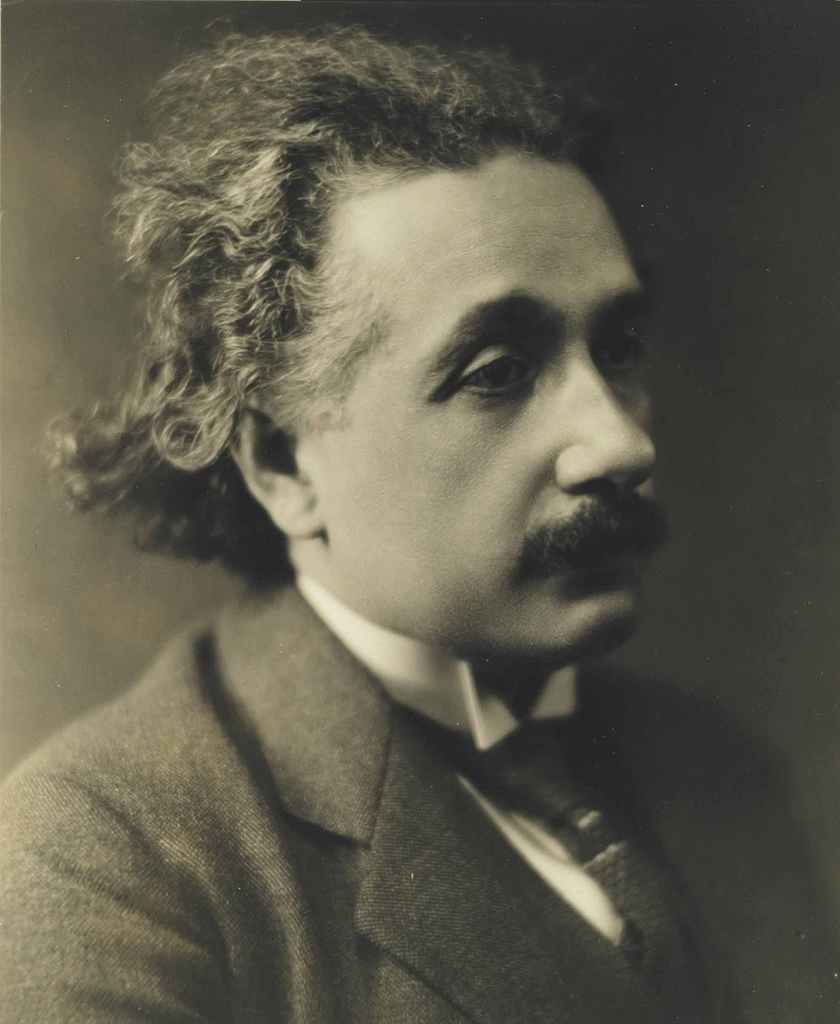
"Unusual Scientific Theories (Guess by Image)" refers to the exploration of unconventional or lesser-known scientific ideas, often presented visually. Participants are shown intriguing images related to these theories and are challenged to deduce or guess the underlying concept. This interactive approach encourages curiosity and critical thinking, making complex or obscure scientific notions more accessible and engaging through visual clues and imaginative interpretation.
Unusual Scientific Theories
"Unusual Scientific Theories (Guess by Image)" refers to the exploration of unconventional or lesser-known scientific ideas, often presented visually. Participants are shown intriguing images related to these theories and are challenged to deduce or guess the underlying concept. This interactive approach encourages curiosity and critical thinking, making complex or obscure scientific notions more accessible and engaging through visual clues and imaginative interpretation.

💡 Key Takeaways
- Identify examples of unusual scientific theories and their core ideas.
- Explain the evidence that supported or refuted these theories.
- Learn how scientists test extraordinary claims using experiments, replication, and peer review.
- Distinguish fringe ideas from mainstream science and understand the criteria for scientific credibility.
❓ Frequently Asked Questions
What qualifies as an 'unusual' scientific theory?
An idea that challenges mainstream explanations or uses unconventional assumptions; it still needs testable predictions and evidence to be evaluated.
What is panspermia and why is it considered unusual?
Panspermia proposes life or its precursors arrived on Earth from space via cosmic bodies; it's unusual because it relocates life's origin outside Earth and evidence is indirect.
What is Modified Newtonian Dynamics (MOND) and what problem does it address?
MOND modifies gravity at very low accelerations to explain galaxy rotation without dark matter; it's controversial and not the mainstream view.
How do scientists evaluate unusual theories?
They require testable predictions, independent verification, reproducible evidence, and peer review; without this, theories remain speculative.