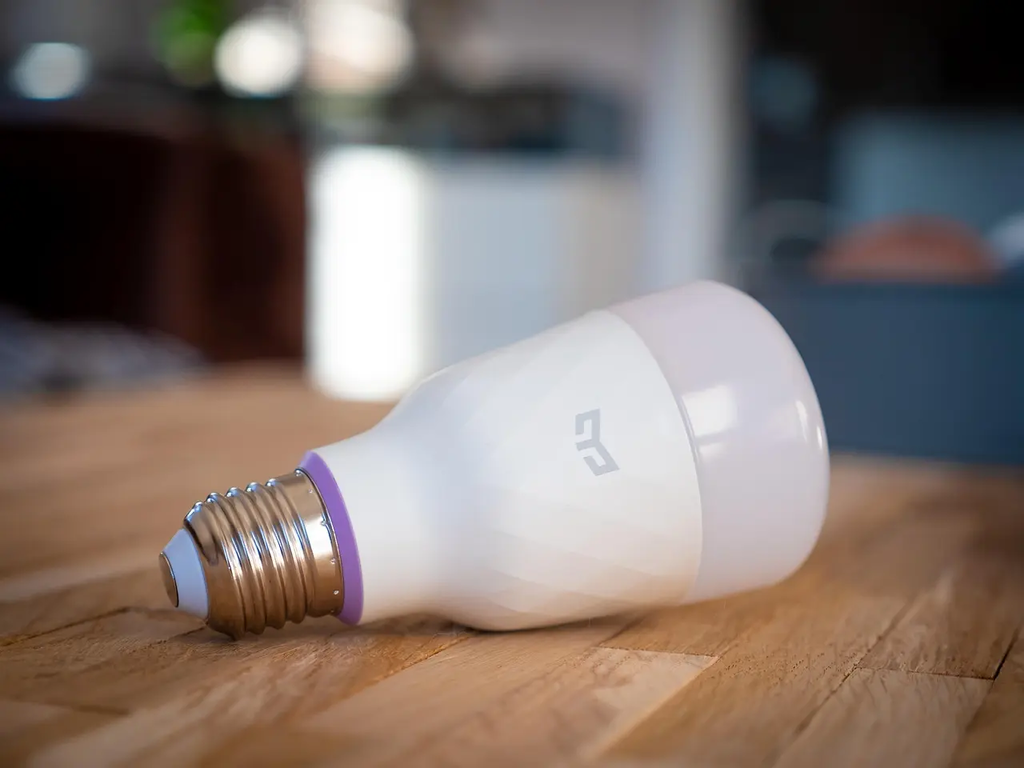
UPS, surge protection, and power management are essential components for safeguarding electronic devices. A UPS (Uninterruptible Power Supply) provides backup electricity during power outages, ensuring continuous operation. Surge protection shields equipment from voltage spikes caused by lightning or electrical faults, preventing damage. Power management involves monitoring and controlling the distribution and consumption of electrical power to optimize efficiency, reduce costs, and enhance the reliability of connected systems. Together, they ensure stable and secure power for critical devices.
UPS, Surge Protection, and Power Management
UPS, surge protection, and power management are essential components for safeguarding electronic devices. A UPS (Uninterruptible Power Supply) provides backup electricity during power outages, ensuring continuous operation. Surge protection shields equipment from voltage spikes caused by lightning or electrical faults, preventing damage. Power management involves monitoring and controlling the distribution and consumption of electrical power to optimize efficiency, reduce costs, and enhance the reliability of connected systems. Together, they ensure stable and secure power for critical devices.
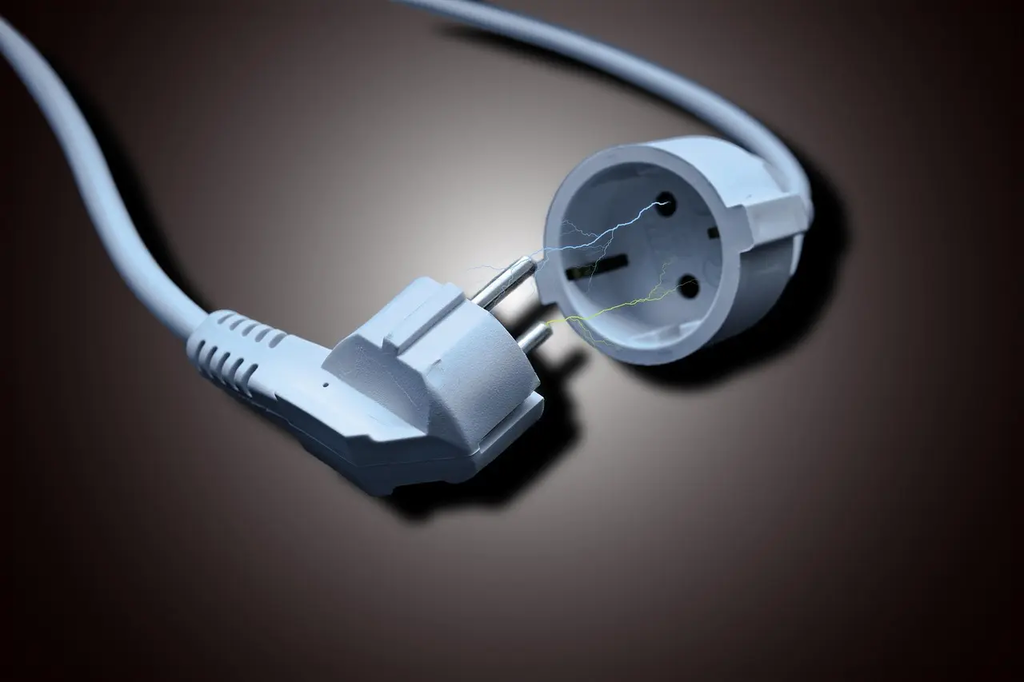
💡 Key Takeaways
- Understand how UPS, surge protection, and power management protect devices during outages and voltage spikes.
- Learn the differences between UPS types (standby, line-interactive, online) and when to use each.
- Know how to size a UPS by calculating your equipment load and selecting appropriate capacity and runtime.
- Discover best practices for power management, including surge protection ratings, automatic shutdown, and energy monitoring.
❓ Frequently Asked Questions
What is a UPS and what does it do?
A UPS (Uninterruptible Power Supply) provides backup power during outages, allowing devices to stay on long enough to save work or shut down safely; many models also regulate voltage and protect against surges.
What is surge protection and why is it important?
Surge protection guards equipment from brief voltage spikes—such as lightning or utility switching—by diverting or absorbing excess voltage to prevent damage.
How are a UPS and a surge protector different?
A UPS provides backup power and often voltage regulation; a surge protector only shields against voltage spikes. Some devices combine both functions, but check specs (battery vs. clamping performance).
What is power management in home tech and why does it matter?
Power management uses features like smart outlets, timers, and energy-efficient settings to reduce consumption, extend device life, and lower costs.