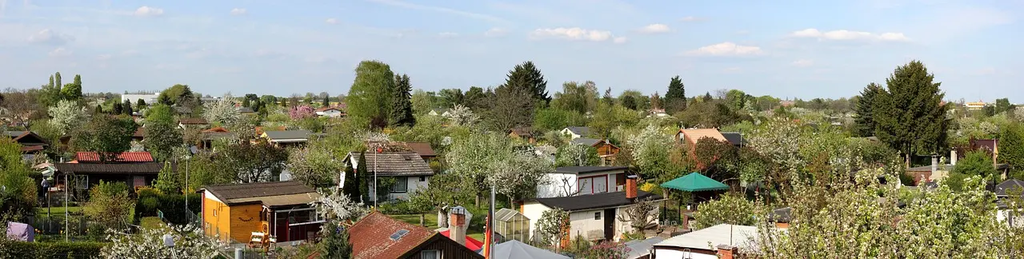
Urban agriculture and allotment culture refer to the practice of growing food, flowers, or plants within city environments, often in shared or individual plots called allotments. These initiatives promote sustainable food production, community engagement, and green spaces in urban areas. Allotments provide city dwellers with opportunities to cultivate their own produce, foster social interaction, improve mental well-being, and contribute to local food security and environmental sustainability.
Urban agriculture and allotment culture
Urban agriculture and allotment culture refer to the practice of growing food, flowers, or plants within city environments, often in shared or individual plots called allotments. These initiatives promote sustainable food production, community engagement, and green spaces in urban areas. Allotments provide city dwellers with opportunities to cultivate their own produce, foster social interaction, improve mental well-being, and contribute to local food security and environmental sustainability.
💡 Key Takeaways
- Define urban agriculture and allotment culture in UK cities.
- Identify environmental and social benefits: sustainable food production, greener spaces, and community engagement.
- Describe common allotment practices: soil health, composting, crop rotation, water management, and typical UK crops.
- Explain how urban farming strengthens local food systems, biodiversity, and neighborhood resilience.
❓ Frequently Asked Questions
What is an allotment?
A small plot of land in a city rented from a council or landowner for growing fruit, vegetables and sometimes flowers, either as an individual or shared plot.
Why are urban allotments important?
They increase local food production, reduce food miles, improve green space and biodiversity, and build community through shared gardening.
What can you grow on an allotment?
Seasonal vegetables (potatoes, carrots, greens), herbs, berries, and even fruit trees; plan for crop rotation and pollinator-friendly flowers.
How do you start an allotment in Britain?
Check with your local council or allotment association, join the waiting list, apply for a plot, sign the tenancy, and prepare the site with soil improvement and basic tools.