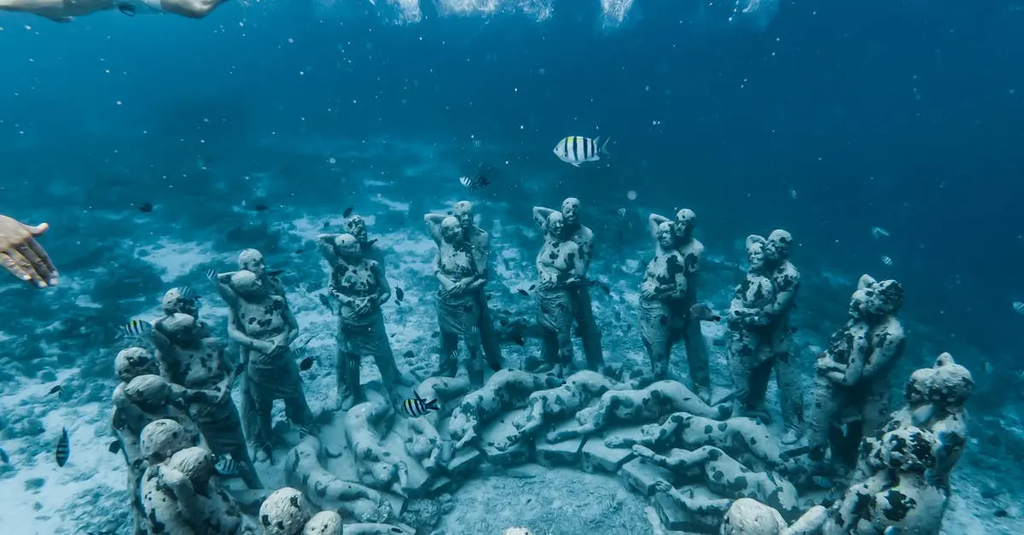
Urbanism and public art intersect to shape the identity and experience of cities. Urbanism focuses on the design, organization, and functionality of urban spaces, while public art enhances these environments by introducing creativity, cultural expression, and community engagement. Together, they foster vibrant, inclusive, and aesthetically pleasing public areas, encouraging social interaction and reflecting the values and histories of local populations, ultimately contributing to a city’s unique character and livability.
Urbanism and Public Art
Urbanism and public art intersect to shape the identity and experience of cities. Urbanism focuses on the design, organization, and functionality of urban spaces, while public art enhances these environments by introducing creativity, cultural expression, and community engagement. Together, they foster vibrant, inclusive, and aesthetically pleasing public areas, encouraging social interaction and reflecting the values and histories of local populations, ultimately contributing to a city’s unique character and livability.
💡 Key Takeaways
- Explore how urban design and public art shape city identity and daily experience.
- Explain how public art fosters creativity, cultural expression, and community engagement in urban spaces.
- Identify strategies for integrating art into streets, parks, and transit to enhance placemaking.
- Analyze examples of public art as social commentary and catalysts for urban revitalization.
❓ Frequently Asked Questions
What is urbanism?
Urbanism is the study and practice of designing and organizing cities—streets, buildings, and public spaces—to be functional, livable, and accessible.
What is public art?
Public art refers to artworks placed in public spaces that everyone can access, such as sculptures, murals, installations, or performances that reflect culture or community themes.
How do urban design and public art interact in cities?
Urban design provides the physical framework (streets, plazas, zoning) while public art adds cultural meaning and engagement, shaping how people experience and navigate the space.
Why is public art important for community engagement in urban spaces?
Public art invites participation, highlights local stories, activates public spaces, and fosters social cohesion and civic pride.