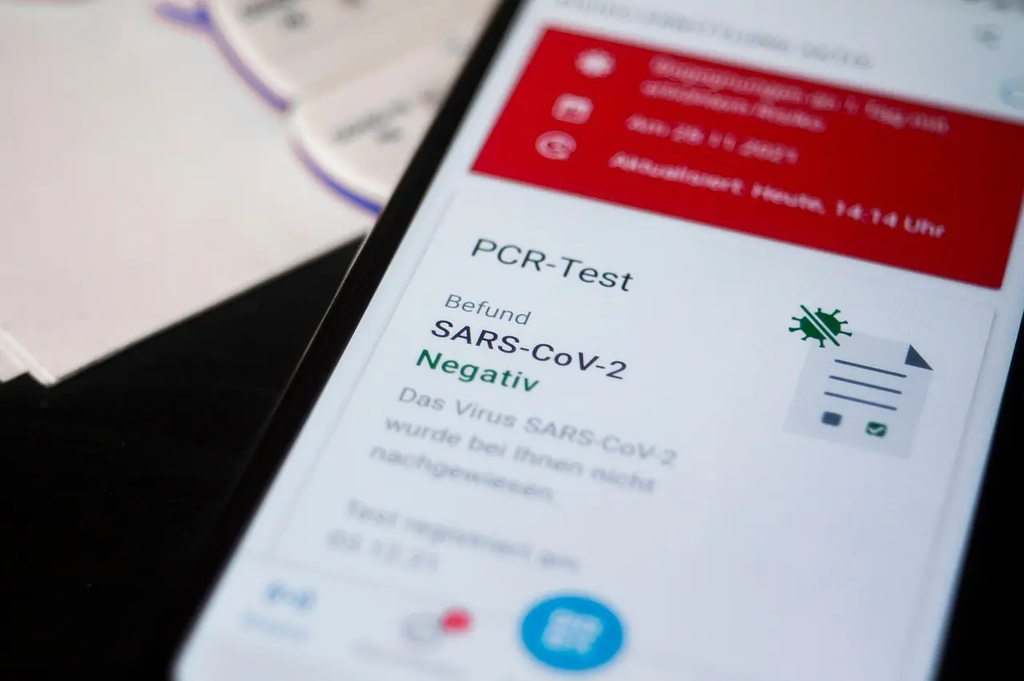
Using advanced health apps, specifically daily mobile apps, involves leveraging smartphone technology to monitor and manage personal health. These apps offer features such as tracking physical activity, monitoring vital signs, managing medication schedules, and providing reminders for healthy habits. They often use artificial intelligence to analyze data and offer personalized recommendations, helping users make informed decisions about their well-being and maintain a healthier lifestyle with convenience and real-time feedback.
Using Advanced Health Apps
Using advanced health apps, specifically daily mobile apps, involves leveraging smartphone technology to monitor and manage personal health. These apps offer features such as tracking physical activity, monitoring vital signs, managing medication schedules, and providing reminders for healthy habits. They often use artificial intelligence to analyze data and offer personalized recommendations, helping users make informed decisions about their well-being and maintain a healthier lifestyle with convenience and real-time feedback.
💡 Key Takeaways
- Understand what advanced health apps offer beyond basic fitness tracking.
- Learn how to interpret analytics, trends, and AI-driven insights from these apps.
- Know how to protect privacy, manage permissions, and assess data security.
- Explore how to share app data with healthcare providers and integrate with electronic health records.
❓ Frequently Asked Questions
What are advanced health apps?
Software that combines data from wearables, sensors, and online health records to analyze health trends, provide insights, and support healthcare decisions beyond basic step counting.
How can I ensure the data from health apps is accurate?
Use reputable devices, keep apps up to date, calibrate sensors, and remember that consumer apps give estimates; for medical decisions, consult a clinician.
What privacy and security checks should I perform before using a health app?
Review the privacy policy, control data sharing, limit permissions, enable strong authentication, and be aware of who can access your health data.
How can advanced health apps help with chronic condition management?
Track symptoms, medications, and vitals; visualize trends; set reminders; generate reports for clinicians; and receive alerts for potential issues.