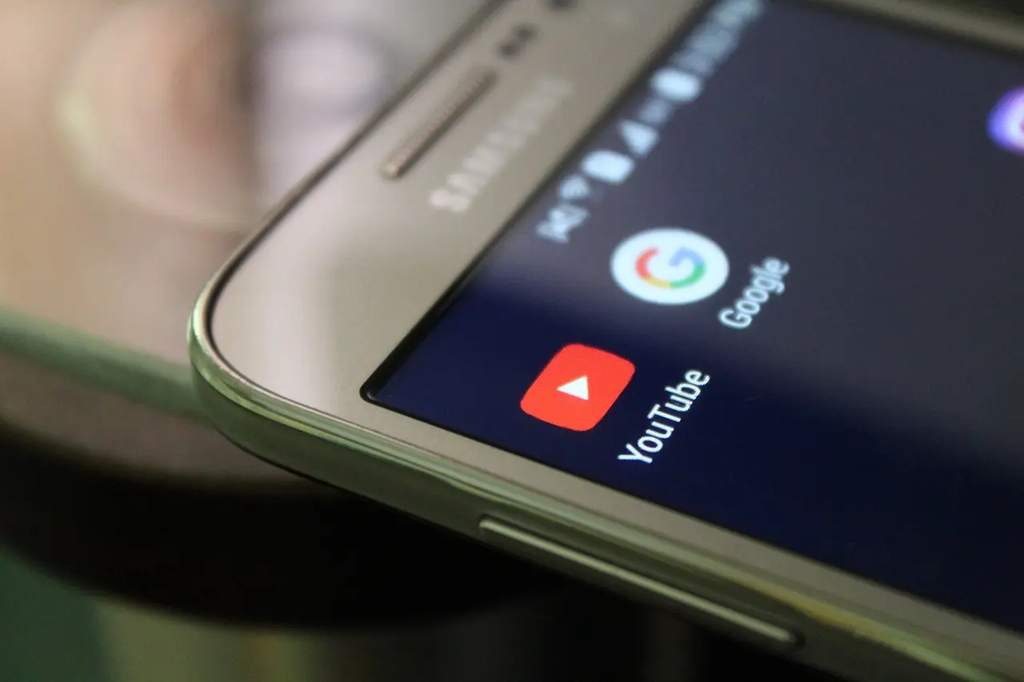
Using navigation apps refers to the daily use of mobile applications like Google Maps, Waze, or Apple Maps to find directions, avoid traffic, and locate destinations. These apps provide real-time route guidance, estimated arrival times, and updates on road conditions. They have become essential tools for commuters, travelers, and delivery services, making travel more efficient and reducing the stress of getting lost or delayed.
Using Navigation Apps
Using navigation apps refers to the daily use of mobile applications like Google Maps, Waze, or Apple Maps to find directions, avoid traffic, and locate destinations. These apps provide real-time route guidance, estimated arrival times, and updates on road conditions. They have become essential tools for commuters, travelers, and delivery services, making travel more efficient and reducing the stress of getting lost or delayed.

💡 Key Takeaways
- Choose the right navigation app for your needs
- Set destinations, search places, and read turn-by-turn directions
- Use real-time traffic, rerouting, and ETA features to save time
- Stay safe with hands-free use while driving, walking, or cycling
❓ Frequently Asked Questions
What is the purpose of a navigation app?
A navigation app provides maps, plans routes, and offers turn-by-turn directions using your device's GPS and real-time traffic data.
How do navigation apps choose the best route?
They use map data, live traffic, and your preferences (e.g., fastest, shortest, tolls avoided) to calculate a route and may automatically reroute as conditions change.
What features are common in navigation apps?
Real-time traffic, offline maps, lane guidance, voice directions, estimated arrival times, multiple route options, and alerts about incidents.
How can you use navigation apps safely while traveling?
Set destinations before you drive, use hands-free voice prompts, keep the device mounted, and follow traffic laws—avoid fiddling with the screen while driving.