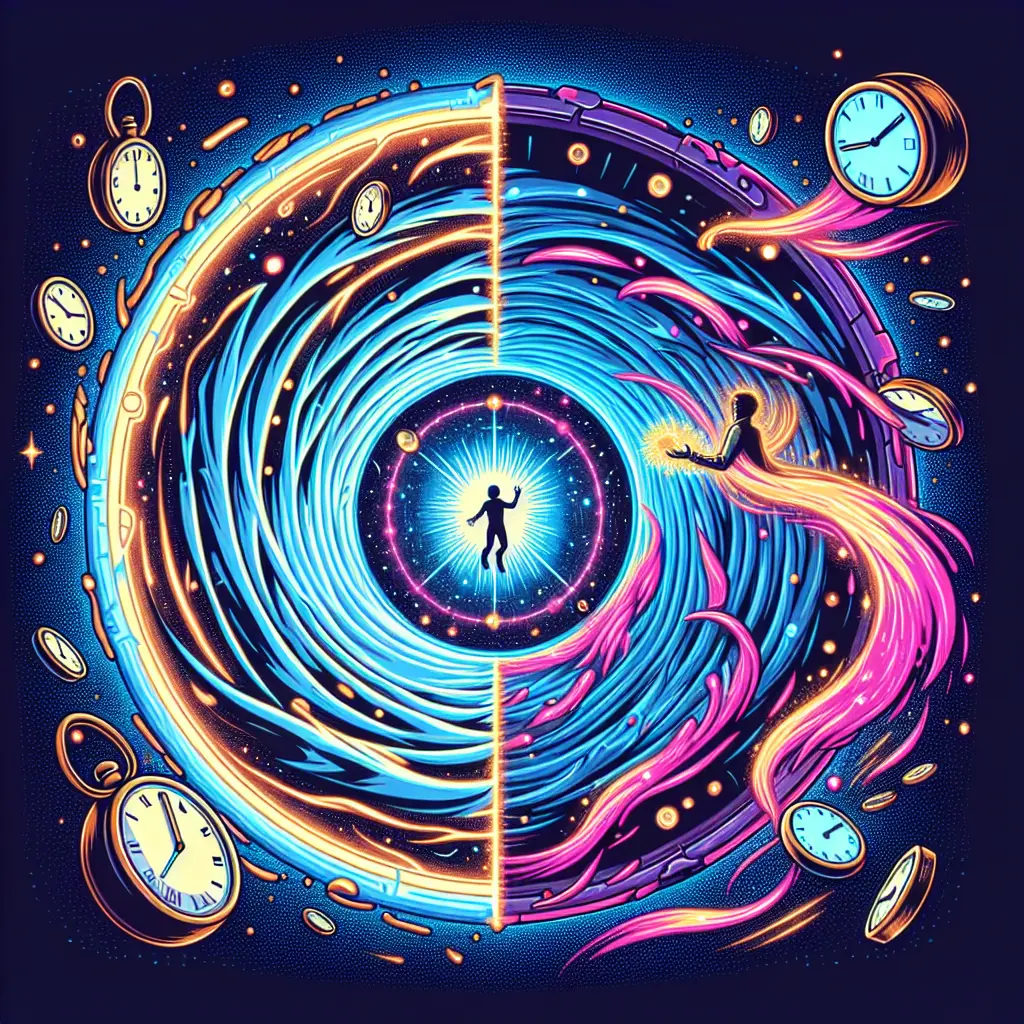
Utopias and dystopias are contrasting visions of society. Utopias depict idealized worlds where harmony, justice, and happiness prevail, reflecting humanity’s highest aspirations. Dystopias, on the other hand, portray oppressive, bleak societies marked by suffering, control, and loss of freedom, often serving as warnings about potential consequences of current trends. Both concepts are widely explored in literature and art, prompting reflection on societal values, governance, and human nature.
Utopias vs Dystopias
Utopias and dystopias are contrasting visions of society. Utopias depict idealized worlds where harmony, justice, and happiness prevail, reflecting humanity’s highest aspirations. Dystopias, on the other hand, portray oppressive, bleak societies marked by suffering, control, and loss of freedom, often serving as warnings about potential consequences of current trends. Both concepts are widely explored in literature and art, prompting reflection on societal values, governance, and human nature.

💡 Key Takeaways
- Differentiate utopian and dystopian visions and what each says about humanity’s hopes and fears in sci-fi and cyber futures.
- Identify common motifs that signal utopias (harmony, justice, abundance) versus dystopias (oppression, surveillance, loss of freedom).
- Analyze how technology, governance, and social design shape imagined futures and the ethical questions they raise.
- Explore how setting, characters, and narrative devices are used to contrast utopias and dystopias in media and literature.
❓ Frequently Asked Questions
What is a utopia in sci-fi?
A society depicted as ideal—harmony, justice, and well-being prevail, with equitable resources and opportunities and institutions that support collective happiness.
What is a dystopia in sci-fi?
A bleak, oppressive society marked by suffering, surveillance, censorship, and restricted freedoms under flawed power structures.
How do utopias and dystopias differ in their portrayal of technology and power?
Utopias show technology enabling freedom and social good; dystopias show tech as a tool for control, manipulation, or widening inequality.
What are common themes or tropes you might see in utopias vs dystopias?
Utopias emphasize justice, cooperation, and environmental balance; dystopias feature authoritarian control, resistance, loss of privacy, and propaganda.