Vaccination schedules are organized timelines that outline when individuals, particularly children, should receive specific vaccines to protect against various infectious diseases. These schedules are developed by health authorities based on scientific evidence to ensure optimal immunity at the right ages. Following recommended vaccination schedules helps prevent outbreaks, reduces the spread of diseases, and safeguards both individual and public health by ensuring timely and complete immunization.
Vaccination Schedules
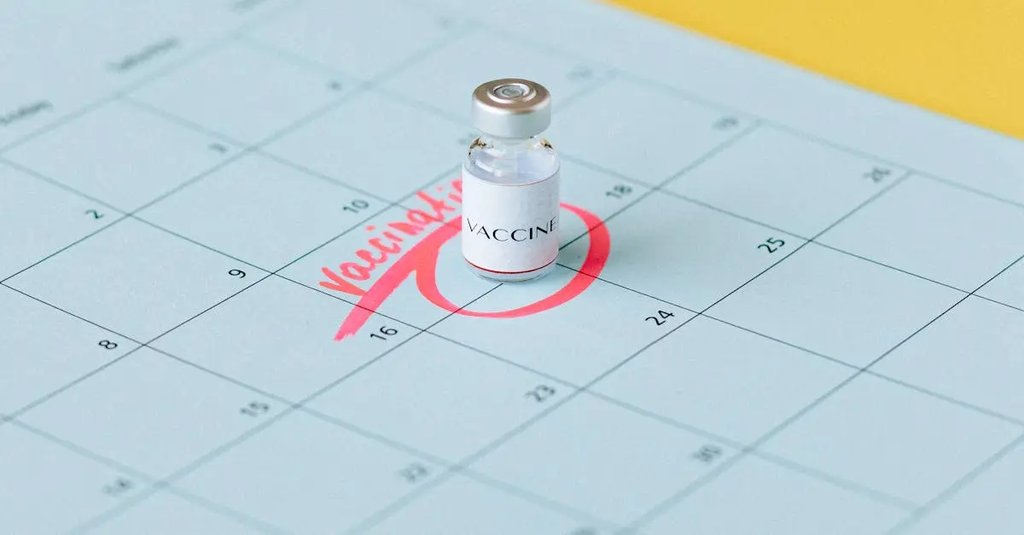
Vaccination schedules are organized timelines that outline when individuals, particularly children, should receive specific vaccines to protect against various infectious diseases. These schedules are developed by health authorities based on scientific evidence to ensure optimal immunity at the right ages. Following recommended vaccination schedules helps prevent outbreaks, reduces the spread of diseases, and safeguards both individual and public health by ensuring timely and complete immunization.
💡 Key Takeaways
- Understand the purpose of vaccination schedules: timing vaccines to achieve optimal immunity.
- Learn who develops these schedules (health authorities) and that they are based on scientific evidence.
- Recognize typical age windows and the concept of catch-up doses if a dose is missed.
- Know that many vaccines require multiple doses or boosters for full protection.
- Understand the importance of following local schedules and consulting a healthcare professional for personalized planning.
❓ Frequently Asked Questions
What are vaccination schedules?
Vaccination schedules are organized timelines that outline when individuals should receive vaccines to protect against diseases, typically based on age and health.
Who creates and updates vaccination schedules?
They are developed and updated by health authorities (e.g., national programs, CDC/ACIP, WHO) using safety and effectiveness data, with country-specific differences.
Why are vaccines scheduled at specific ages?
Timing aims to provide immunity when it’s most effective and before exposure, helping ensure the full vaccine series is completed for strong protection.
What is a catch-up schedule?
A catch-up schedule guides people who missed vaccines or started late on how to safely complete the series within recommended intervals.