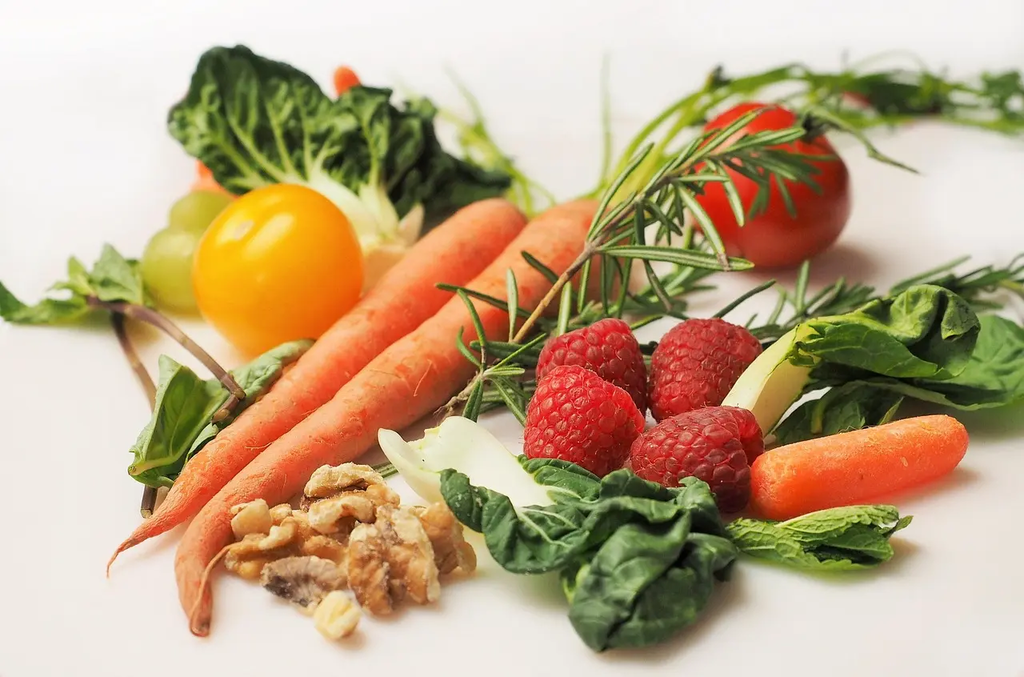
Vegetable juicing benefits include improved nutrient absorption, increased energy, and better hydration. Incorporating juicing into daily routines encourages healthy habits by making it easier to consume a variety of vegetables and superfoods, such as kale, spinach, and carrots. These juices provide essential vitamins, minerals, and antioxidants, which support immune function, digestion, and overall wellness. Regular juicing can also help with weight management and detoxification, promoting a healthier lifestyle.
Vegetable Juicing Benefits
Vegetable juicing benefits include improved nutrient absorption, increased energy, and better hydration. Incorporating juicing into daily routines encourages healthy habits by making it easier to consume a variety of vegetables and superfoods, such as kale, spinach, and carrots. These juices provide essential vitamins, minerals, and antioxidants, which support immune function, digestion, and overall wellness. Regular juicing can also help with weight management and detoxification, promoting a healthier lifestyle.
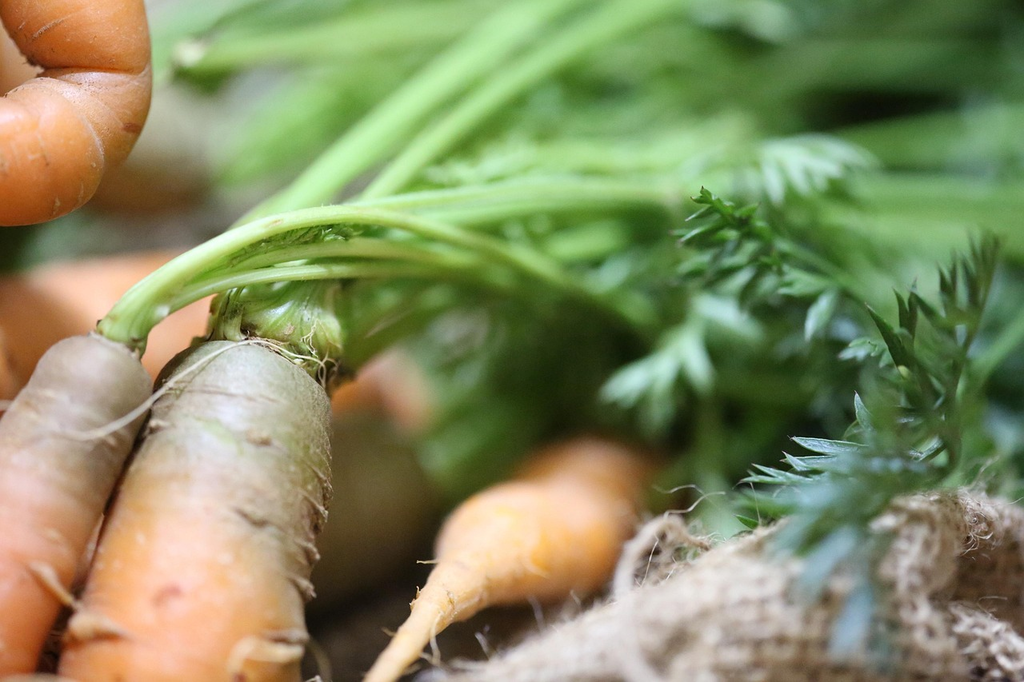
💡 Key Takeaways
- Boost nutrient intake and hydration through vegetable juicing, including vitamins, minerals, and antioxidants.
- Understand the trade-offs between juicing and consuming whole vegetables, especially fiber and fullness.
- Learn which vegetables blend well for juicing and get simple, tasty juice combination ideas.
- Get practical tips for healthy juicing: choose fresh produce, minimize added sugars, and store juice safely.
❓ Frequently Asked Questions
What are the benefits of vegetable juicing?
Juicing provides a quick, concentrated intake of vitamins, minerals, and antioxidants from vegetables. It can boost hydration and veggie intake but usually lacks fiber.
Does vegetable juice contain fiber?
Juicing removes most insoluble fiber. Some soluble fiber may remain, but to get fiber, eat whole vegetables or add the pulp back into recipes.
Which nutrients are commonly found in vegetable juice?
Common nutrients include vitamins A, C, and K, folate, potassium, and various antioxidants from leafy greens and colorful vegetables.
How should I include vegetable juice in a healthy diet?
Aim for mostly vegetables, limit high-sugar fruits, drink fresh, and pair juice with whole vegetables or a protein/fiber source to balance the meal.