Vegetarian and vegan fermented foods are plant-based products created through natural fermentation, enhancing their flavor, texture, and nutritional value. Common examples include sauerkraut, kimchi (without fish sauce), tempeh, miso, kombucha, and dairy-free yogurt. These foods are rich in probiotics, which support gut health, and often provide essential vitamins, minerals, and protein, making them valuable additions to vegetarian and vegan diets.
Vegetarian & Vegan: Fermented Foods
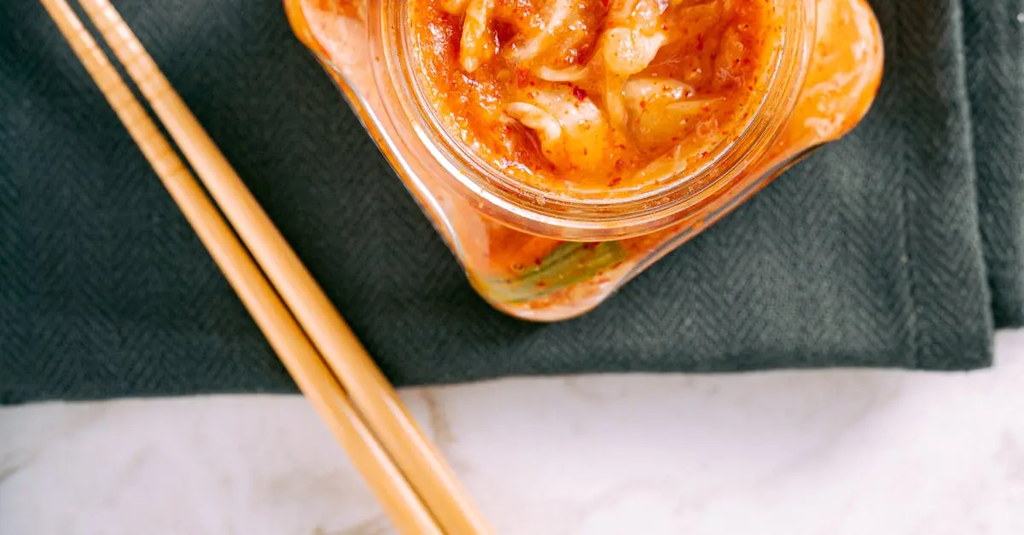
Vegetarian and vegan fermented foods are plant-based products created through natural fermentation, enhancing their flavor, texture, and nutritional value. Common examples include sauerkraut, kimchi (without fish sauce), tempeh, miso, kombucha, and dairy-free yogurt. These foods are rich in probiotics, which support gut health, and often provide essential vitamins, minerals, and protein, making them valuable additions to vegetarian and vegan diets.
💡 Key Takeaways
- Understand what fermentation is and how it changes flavor, texture, and nutrition in vegetarian and vegan foods.
- Identify common plant-based fermented foods (sauerkraut, kimchi without fish sauce, tempeh, miso, kombucha, dairy-free yogurt) and how they differ.
- Learn basic safe home fermentation practices, including sanitation, ingredients, and storage of vegan ferments.
- Recognize the probiotic components in fermented foods and how they can fit into a vegan dietary pattern.
❓ Frequently Asked Questions
What are vegetarian and vegan fermented foods?
Plant-based foods produced through natural fermentation, where microbes transform sugars to preserve and enhance flavor, texture, and nutrients.
Which common vegan-friendly fermented foods are mentioned?
Sauerkraut, kimchi (vegan version without fish sauce), tempeh, miso, kombucha, and dairy-free yogurt.
Do all fermented foods contain live probiotics?
Not always. Some are pasteurized or processed, which can kill live cultures. Look for labels that say 'live cultures' or choose unpasteurized options.
How can I incorporate fermented foods into a vegan or vegetarian meal?
Use miso in soups, tempeh as a protein, top dishes with sauerkraut or kimchi, add dairy-free yogurt to smoothies or dressings, and enjoy kombucha as a beverage.