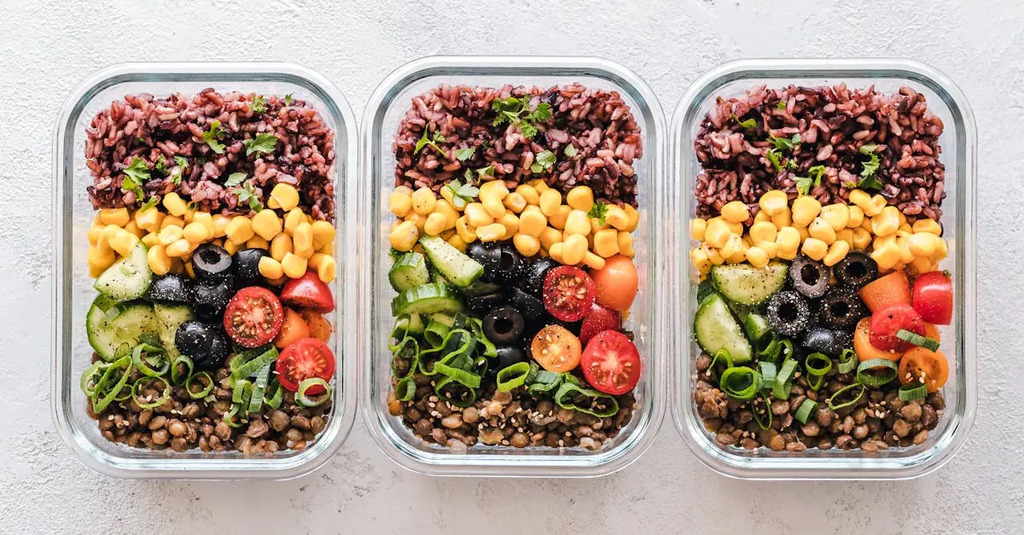
"Vegetarian & Vegan: Meatless Mains" refers to main course dishes that are entirely free from meat. Vegetarian mains exclude all types of meat but may include dairy or eggs, while vegan mains avoid all animal products, including dairy, eggs, and honey. These dishes focus on plant-based ingredients such as vegetables, grains, legumes, tofu, and nuts, offering flavorful, nutritious, and satisfying alternatives to traditional meat-based entrees.
Vegetarian & Vegan: Meatless Mains
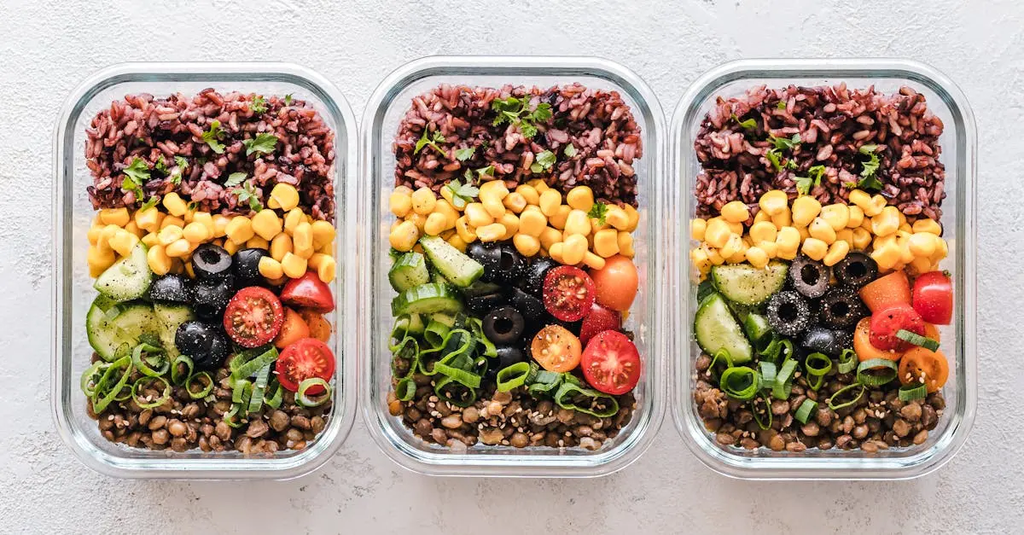
"Vegetarian & Vegan: Meatless Mains" refers to main course dishes that are entirely free from meat. Vegetarian mains exclude all types of meat but may include dairy or eggs, while vegan mains avoid all animal products, including dairy, eggs, and honey. These dishes focus on plant-based ingredients such as vegetables, grains, legumes, tofu, and nuts, offering flavorful, nutritious, and satisfying alternatives to traditional meat-based entrees.

💡 Key Takeaways
- Distinguish between vegetarian and vegan meatless mains, noting that vegetarians may include dairy and eggs while vegans exclude all animal products (including dairy, eggs, and honey).
- Build balanced plant-based mains using protein-rich ingredients like tofu, tempeh, lentils, beans, quinoa, and seitan to create satisfying dishes.
- Develop flavor and texture in meatless mains through techniques such as roasting, searing, and layering umami with ingredients like mushrooms, miso, and soy sauce.
- Learn vegan substitutions and how to read labels to ensure every ingredient is plant-based (e.g., dairy-free milks, egg replacers, and honey alternatives such as maple syrup).
❓ Frequently Asked Questions
What is the difference between vegetarian and vegan meatless mains?
Vegetarian mains exclude meat but may include dairy or eggs; vegan mains exclude all animal products, including dairy, eggs, and honey.
What counts as a meatless main dish?
A main-course dish designed as the centerpiece of a meal that contains no meat. Vegetarian versions may include dairy or eggs; vegan versions use only plant-based ingredients.
How can I verify a dish is truly meatless (no animal products)?
Check the ingredient list for meat, fish, dairy, eggs, and honey (for vegan). Watch for hidden animal-derived ingredients like gelatin, rennet, or casein. When eating out, ask about ingredients and possible cross-contamination.
What are common protein sources and flavor boosters in meatless mains?
Protein: beans, lentils, chickpeas, tofu, tempeh, seitan, quinoa, and mushrooms. Flavor boosters: soy sauce, miso, nutritional yeast, garlic, herbs, and smoked spices to add depth without meat.