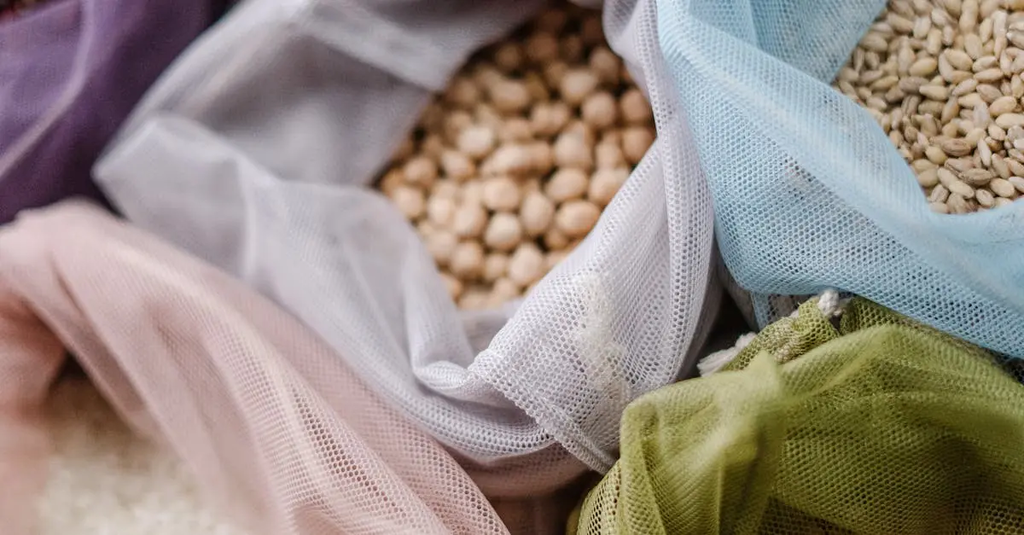
Vegetarian and vegan diets focus on plant-based foods, excluding or minimizing animal products. Vegetarians avoid meat, fish, and poultry but may consume dairy and eggs, while vegans eliminate all animal-derived ingredients. Both diets prioritize fruits, vegetables, grains, legumes, nuts, and seeds, offering health benefits like lower cholesterol and reduced risk of chronic diseases. Understanding plant-based basics helps individuals make nutritious, ethical, and environmentally conscious food choices.
Vegetarian & Vegan: Plant-Based Basics+50
Vegetarian and vegan diets focus on plant-based foods, excluding or minimizing animal products. Vegetarians avoid meat, fish, and poultry but may consume dairy and eggs, while vegans eliminate all animal-derived ingredients. Both diets prioritize fruits, vegetables, grains, legumes, nuts, and seeds, offering health benefits like lower cholesterol and reduced risk of chronic diseases. Understanding plant-based basics helps individuals make nutritious, ethical, and environmentally conscious food choices.

💡 Key Takeaways
- Differentiate vegetarian and vegan diets by what they include: vegetarians may eat dairy and eggs, while vegans avoid all animal-derived ingredients.
- Build balanced meals around plant-based staples—fruits, vegetables, grains, legumes, nuts, and seeds—to cover protein, carbs, fats, and fiber.
- Identify essential nutrients on plant-based diets (protein, iron, calcium, B12, omega-3) and where to find or how to supplement them.
- Read labels and be mindful of hidden animal ingredients to confidently choose plant-based options.
❓ Frequently Asked Questions
What is the difference between vegetarian and vegan diets?
Vegetarians avoid meat, fish, and poultry and may eat dairy and eggs, while vegans avoid all animal-derived ingredients and rely only on plant foods.
Can you get enough protein on a plant-based diet?
Yes. Include a variety of legumes, whole grains, tofu/tempeh, nuts, seeds, and dairy or eggs if you eat them to meet daily protein needs.
Which nutrients should I watch for on plant-based diets?
Key nutrients include protein, vitamin B12, iron, calcium, vitamin D, iodine, and omega-3s; vegans should consider fortified foods or supplements where appropriate.
How can I plan balanced meals on vegetarian or vegan diets?
Base meals on a variety of fruits, vegetables, whole grains, and legumes; include a protein source at each meal; choose fortified foods or supplements when needed; read labels to avoid animal ingredients.