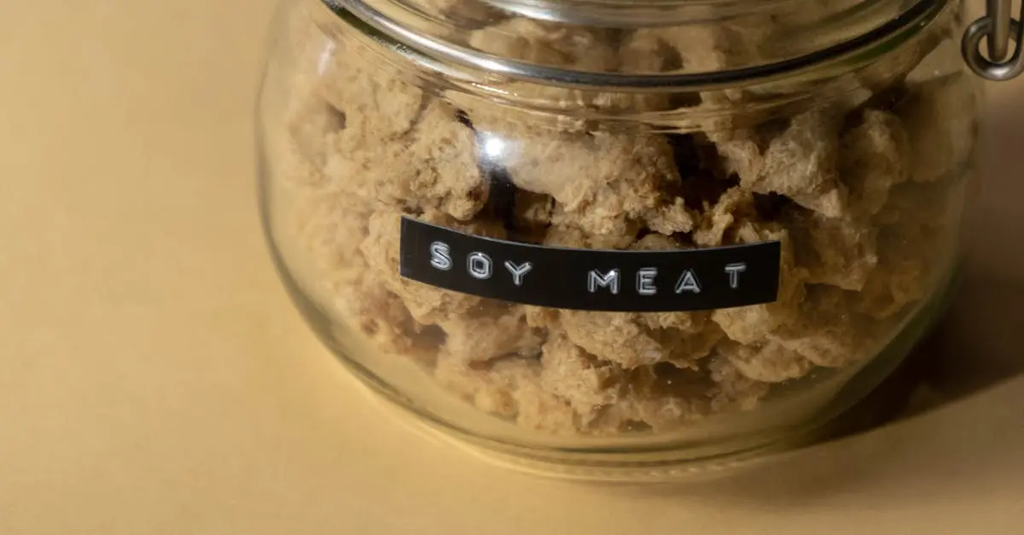
Vegetarian and vegan protein alternatives are plant-based foods that provide essential protein without using animal products. Common sources include legumes like lentils and beans, soy products such as tofu and tempeh, whole grains like quinoa, nuts, and seeds. These options support muscle health and overall nutrition while aligning with ethical, environmental, or health motivations. Many processed alternatives, such as plant-based meat substitutes, also offer convenient protein-rich choices.
Vegetarian & Vegan: Protein Alternatives
Vegetarian and vegan protein alternatives are plant-based foods that provide essential protein without using animal products. Common sources include legumes like lentils and beans, soy products such as tofu and tempeh, whole grains like quinoa, nuts, and seeds. These options support muscle health and overall nutrition while aligning with ethical, environmental, or health motivations. Many processed alternatives, such as plant-based meat substitutes, also offer convenient protein-rich choices.
💡 Key Takeaways
- Identify key plant-based protein sources (lentils, beans, tofu, tempeh, quinoa, nuts, seeds) and what they offer.
- Understand plant protein quality and how combining different sources can provide all essential amino acids.
- Learn practical tips to cook and include enough protein in vegetarian/vegan meals to support muscle health.
- Explore quick, budget-friendly ideas to mix these proteins into daily meals (breakfast, lunch, dinner).
❓ Frequently Asked Questions
What are common plant-based protein sources for vegetarian and vegan diets?
Legumes (lentils, beans, chickpeas), soy products (tofu, tempeh, edamame), whole grains (quinoa), nuts and seeds, and peas are the main plant-based protein options.
Do plant-based proteins provide all essential amino acids?
Most single plant foods are low in one or more essential amino acids. Eating a variety of protein sources across the day (or combining foods like beans with rice) provides all essential amino acids.
How much protein do adults need on vegetarian or vegan diets?
General guidance is about 0.8 g of protein per kg of body weight per day (higher for athletes). Include multiple protein-rich foods such as legumes, soy, quinoa, nuts, and seeds to meet this target.
Are soy foods like tofu and tempeh good for muscle health?
Yes. Tofu and tempeh offer high-quality plant protein with essential amino acids and can support muscle repair when part of a balanced diet and training.