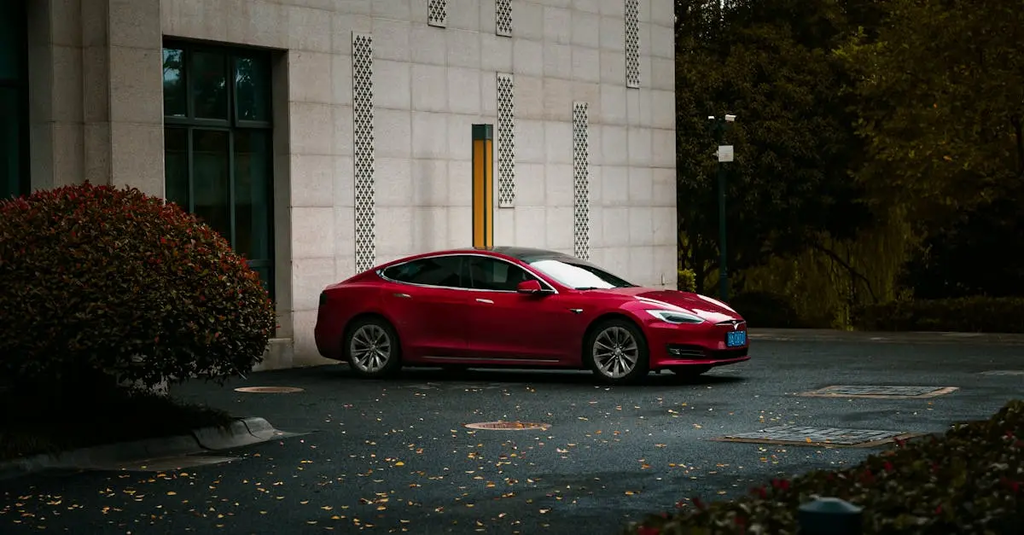
Vehicle-to-Grid (V2G) technology enables electric vehicles (EVs) to communicate and interact with the power grid, allowing stored energy in their batteries to be fed back into the grid when needed. This two-way energy exchange helps balance electricity supply and demand, supports grid stability, and can provide economic benefits to EV owners through incentives or reduced energy costs, making energy systems more flexible and sustainable.
Vehicle-to-Grid Technology
Vehicle-to-Grid (V2G) technology enables electric vehicles (EVs) to communicate and interact with the power grid, allowing stored energy in their batteries to be fed back into the grid when needed. This two-way energy exchange helps balance electricity supply and demand, supports grid stability, and can provide economic benefits to EV owners through incentives or reduced energy costs, making energy systems more flexible and sustainable.
💡 Key Takeaways
- Understand how vehicle-to-grid enables bidirectional energy flow between EVs and the power grid.
- Learn how V2G helps balance electricity supply and demand and enhance grid stability.
- Explore practical benefits and use cases for EV owners and utilities (peak shaving, backup power, grid services).
- Recognize challenges and considerations, including battery health impact, charging infrastructure, and regulatory standards.
❓ Frequently Asked Questions
What is Vehicle-to-Grid (V2G) technology?
V2G is a system where electric vehicles can both draw energy from and feed energy back to the power grid using bi-directional charging and smart communication.
How does V2G work in practice?
EVs discharge stored energy to the grid during demand or grid events and re‑charge when there is surplus or favorable conditions, guided by grid signals and control systems.
What grid services can V2G provide?
V2G can support frequency regulation, peak shaving, load balancing, and overall grid resilience by managing when and how energy is sent to or drawn from the grid.
What are the main benefits and challenges of V2G?
Benefits include reduced peak demand and improved grid stability; challenges include potential battery wear, need for bi-directional charging hardware, cybersecurity, and standardization.