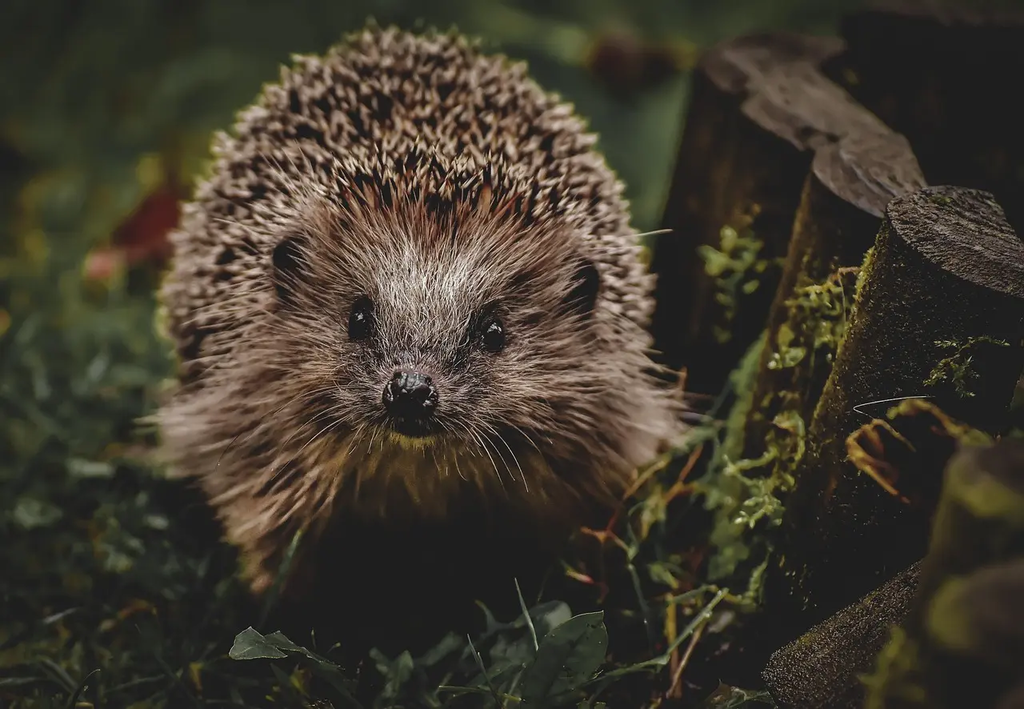
Vertebrates and invertebrates are two major groups within the animal kingdom. Vertebrates possess a backbone or spinal column and include animals such as mammals, birds, reptiles, amphibians, and fish. Invertebrates lack a backbone and make up the majority of animal species, including insects, mollusks, arachnids, and crustaceans. The main distinction lies in their skeletal structure, affecting their body organization, movement, and complexity.
Vertebrates vs. Invertebrates
Vertebrates and invertebrates are two major groups within the animal kingdom. Vertebrates possess a backbone or spinal column and include animals such as mammals, birds, reptiles, amphibians, and fish. Invertebrates lack a backbone and make up the majority of animal species, including insects, mollusks, arachnids, and crustaceans. The main distinction lies in their skeletal structure, affecting their body organization, movement, and complexity.
💡 Key Takeaways
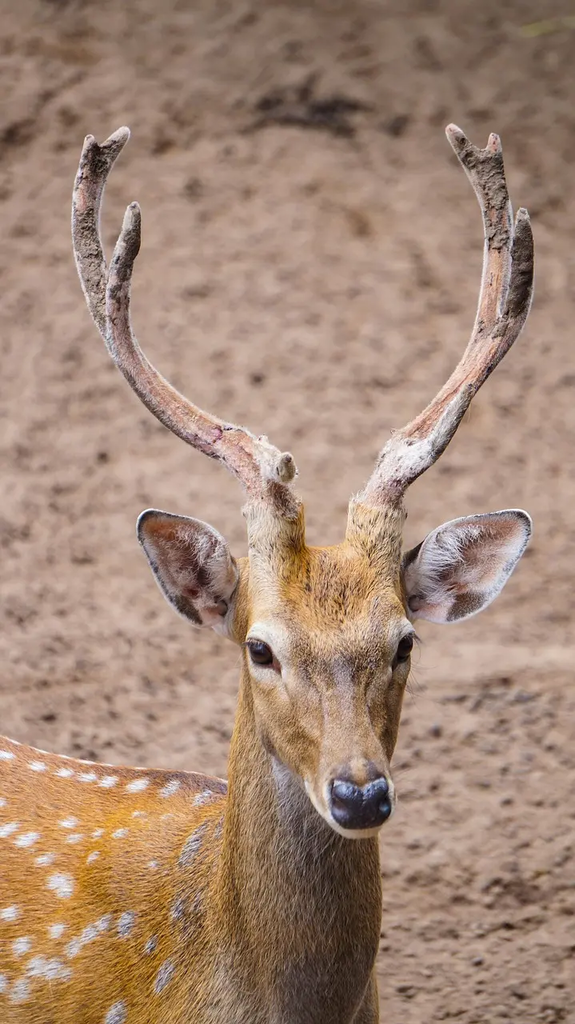
- Distinguish vertebrates from invertebrates based on the presence or absence of a backbone.
- Identify the five major vertebrate groups: mammals, birds, reptiles, amphibians, and fish.
- Recognize common invertebrate groups (insects, arachnids, mollusks, crustaceans) and how they differ from vertebrates.
- Understand how backbone presence influences anatomy and life processes, and why classification matters.
❓ Frequently Asked Questions
What is a vertebrate?
A vertebrate is an animal with a backbone (spine) and an internal skeleton, usually with a skull protecting the brain.
What is an invertebrate?
An invertebrate is an animal without a backbone. They lack a vertebral column; many have external shells or other supportive structures.
What is the main skeletal difference between vertebrates and invertebrates?
Vertebrates have an internal skeleton with a backbone (endoskeleton); many invertebrates rely on an external skeleton (exoskeleton) or other support like a hydrostatic skeleton.
Can you name examples of vertebrates and invertebrates?
Vertebrates: mammals, birds, reptiles, amphibians, fish. Invertebrates: insects, spiders, mollusks, crustaceans, worms, starfish.