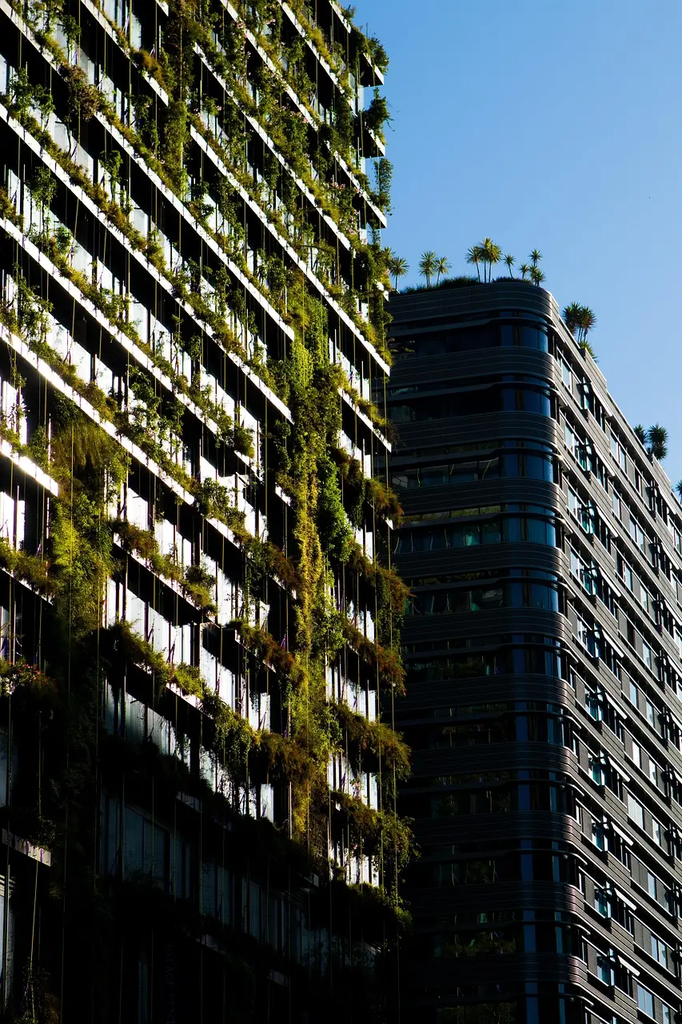
Vertical gardening systems are innovative methods of growing plants upward using structures like walls, trellises, or stacked containers. These systems maximize limited space, making them ideal for urban environments and small areas. By utilizing vertical surfaces, they enhance aesthetic appeal, improve air quality, and can support a variety of plants, including vegetables, herbs, and ornamental species. Vertical gardening also simplifies maintenance and harvesting while promoting sustainable, efficient use of resources.
Vertical Gardening Systems
Vertical gardening systems are innovative methods of growing plants upward using structures like walls, trellises, or stacked containers. These systems maximize limited space, making them ideal for urban environments and small areas. By utilizing vertical surfaces, they enhance aesthetic appeal, improve air quality, and can support a variety of plants, including vegetables, herbs, and ornamental species. Vertical gardening also simplifies maintenance and harvesting while promoting sustainable, efficient use of resources.
💡 Key Takeaways
- Explain how vertical gardens save space and boost curb appeal in urban settings.
- Identify vertical system types (walls, trellises, stacked planters) and when to use each.
- Learn essential care: irrigation, soil, fertilizer, and plant selection for vertical setups.
- Understand installation and safety considerations, including weight support and drainage.
❓ Frequently Asked Questions
What is a vertical gardening system?
A method of growing plants upward on structures like walls, trellises, or stacked containers to save space and create green features in small or urban areas.
What are common types of vertical gardening systems?
Options include wall-mounted panels or living walls, freestanding trellises, vertical planters with pockets, and stackable modular containers.
What factors should you consider before setting up a vertical garden?
Space and weight capacity, sunlight, irrigation and drainage needs, plant selection, and the durability of materials used.
Which plants are well-suited for vertical gardens?
Leafy greens, herbs, compact vegetables, and trailing plants—prefer shallow-rooted or compact varieties for best results.
How do you water and maintain a vertical garden effectively?
Use a drip or self-watering system for even moisture, ensure proper drainage, prune regularly, and monitor nutrient needs and irrigation components.