The phrase "VHS, DVD, and the Home Video Era" refers to the period when home entertainment was revolutionized by physical media formats. VHS tapes, introduced in the late 1970s, allowed people to watch and record movies at home. DVDs, emerging in the late 1990s, offered improved picture and sound quality. Together, these technologies transformed how audiences accessed films, leading to the widespread popularity of home video collections and rental stores.
VHS, DVD, and the Home Video Era
The phrase "VHS, DVD, and the Home Video Era" refers to the period when home entertainment was revolutionized by physical media formats. VHS tapes, introduced in the late 1970s, allowed people to watch and record movies at home. DVDs, emerging in the late 1990s, offered improved picture and sound quality. Together, these technologies transformed how audiences accessed films, leading to the widespread popularity of home video collections and rental stores.
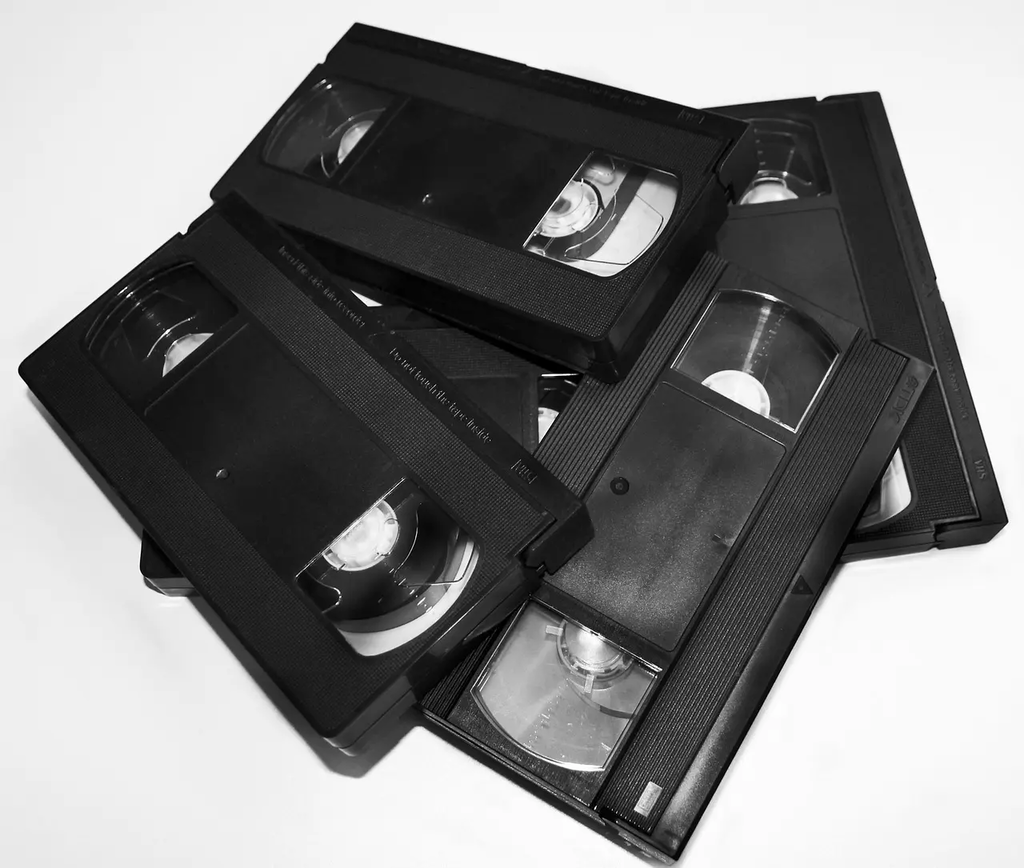
💡 Key Takeaways
- Understand how VHS enabled home recording and viewing, changing how people watch, rent, and share films.
- Compare VHS and DVD in picture quality, storage capacity, and added features like menus and scene selection, illustrating the shift from analog to digital formats.
- Explore the economic and cultural impact of the home video era on studios, retailers, and consumer habits (rentals, purchases, late fees).
- Trace the decade-long arc from late-1970s VHS to late-1990s DVD and what each milestone meant for accessibility and everyday entertainment.
❓ Frequently Asked Questions
What is the Home Video Era?
The period when households gained access to movies and TV content through physical media (VHS, later DVDs), enabling at‑home viewing, recording, and rentals.
What is VHS and why was it important?
VHS (Video Home System) is a magnetic‑tape format that let you watch and record video at home, popularizing home viewing and time‑shifting in the late 1970s and 1980s.
How did DVDs improve home video compared to VHS?
DVDs are digital optical discs offering sharper picture and sound, longer playback, greater durability, and extra features, marking a major upgrade from VHS in the late 1990s.
What impact did home video rentals have on film viewing?
Rental stores made new releases affordable to watch at home, encouraging broader access, repeat viewing, and a shift toward personal viewing choices outside theaters.