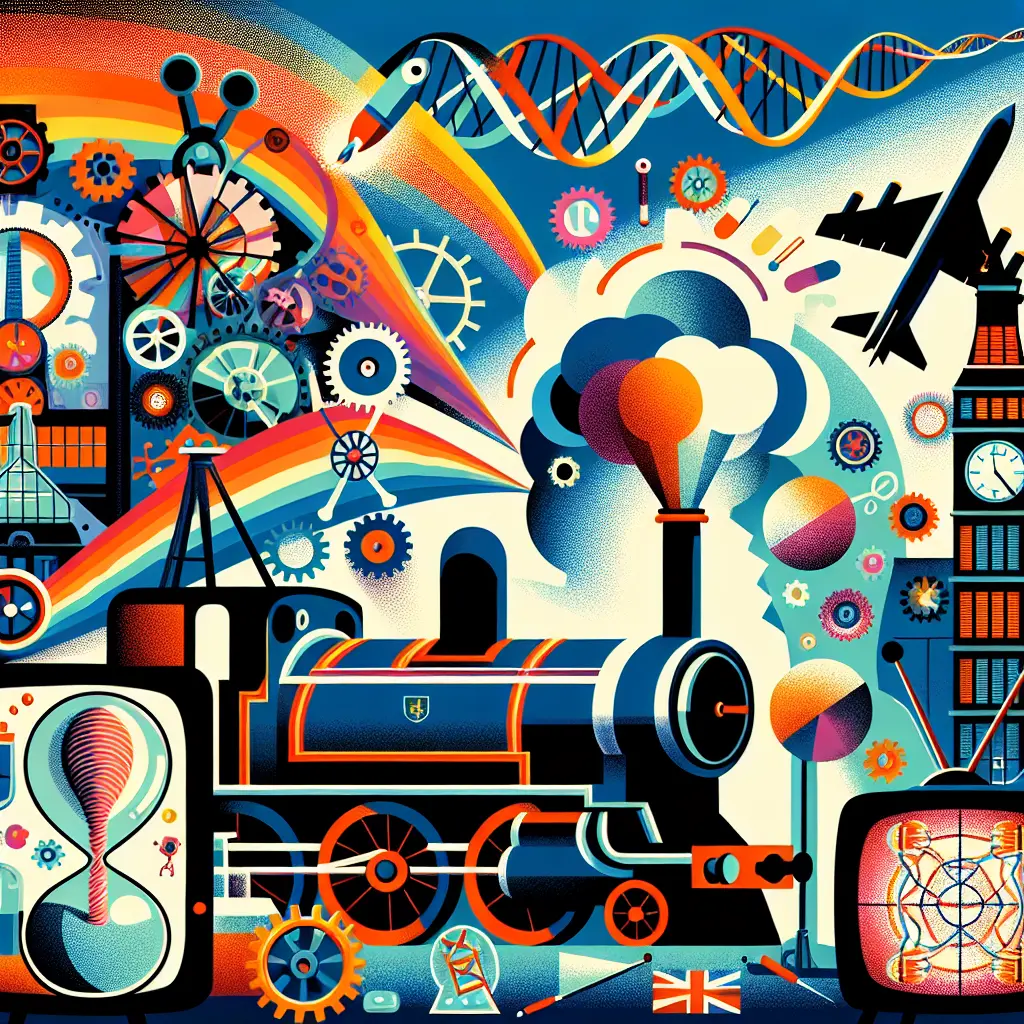
The Victorian era, spanning from 1837 to 1901 during Queen Victoria’s reign, was marked by major industrial, scientific, and cultural advancements in Britain. Society experienced strict social hierarchies, rapid urbanization, and significant reforms in education and labor. Iconic inventions like the steam engine and telegraph emerged, while literature flourished with authors such as Charles Dickens. The era also saw expansion of the British Empire, influencing global trade and politics.
Victorian era facts+45
The Victorian era, spanning from 1837 to 1901 during Queen Victoria’s reign, was marked by major industrial, scientific, and cultural advancements in Britain. Society experienced strict social hierarchies, rapid urbanization, and significant reforms in education and labor. Iconic inventions like the steam engine and telegraph emerged, while literature flourished with authors such as Charles Dickens. The era also saw expansion of the British Empire, influencing global trade and politics.

💡 Key Takeaways
- Understand the key drivers of the Victorian era—industrial growth, scientific progress, and cultural change under Queen Victoria (1837–1901).
- Explore how rapid urbanization and strict social hierarchies shaped daily life, work, and social mobility.
- Learn about major reforms in education and labor that expanded schooling and improved workers' rights.
- Identify iconic Victorian inventions and innovations—railways, telegraph, and photography—that transformed transportation, communication, and daily life.
❓ Frequently Asked Questions
When did the Victorian era occur?
The Victorian era lasted from 1837 to 1901, during Queen Victoria's reign.
Who ruled during the Victorian era?
Queen Victoria was the monarch, and her long reign helped shape the era's culture and values.
What were the key social and economic trends of the era?
Strict social hierarchies, rapid urbanization, and major reforms in education and labor.
What are some notable Victorian inventions and scientific advances?
Railways and steam locomotives, the electric telegraph, and advances in science (including Darwin's theory of evolution) were hallmark developments.