Visual puzzles are brainteasers that require interpreting and manipulating images or patterns to find solutions. Engaging with these puzzles enhances cognitive flexibility, which is the mental ability to switch between different concepts, perspectives, or strategies. By challenging individuals to think creatively and adaptively, visual puzzles help improve problem-solving skills, adaptability, and the capacity to process complex information, all of which are essential aspects of cognitive flexibility.
Visual Puzzles & Cognitive Flexibility
Visual puzzles are brainteasers that require interpreting and manipulating images or patterns to find solutions. Engaging with these puzzles enhances cognitive flexibility, which is the mental ability to switch between different concepts, perspectives, or strategies. By challenging individuals to think creatively and adaptively, visual puzzles help improve problem-solving skills, adaptability, and the capacity to process complex information, all of which are essential aspects of cognitive flexibility.
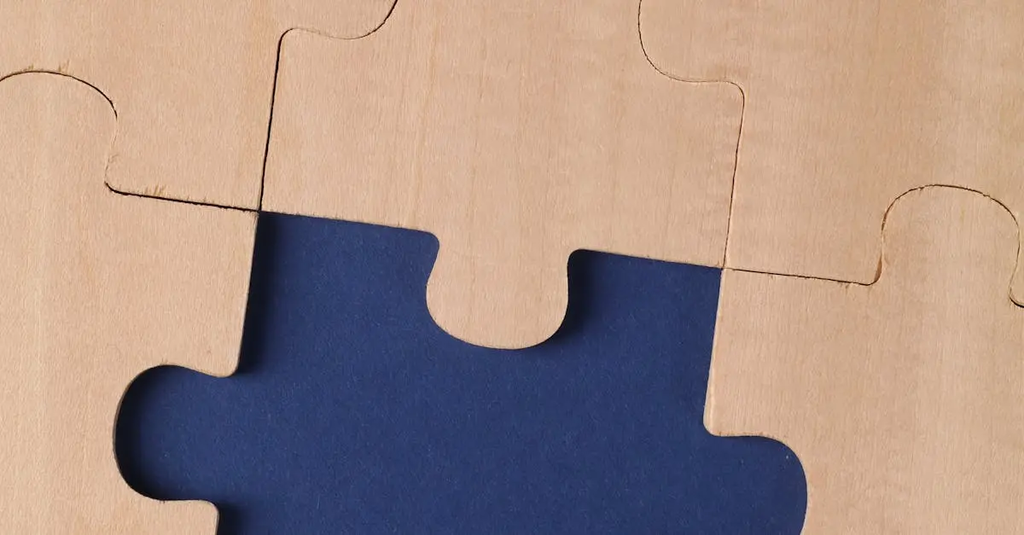
💡 Key Takeaways
- Improve cognitive flexibility by learning to switch between different visual puzzle rules quickly
- Enhance visual-spatial reasoning and pattern recognition through diverse puzzle layouts
- Develop problem-solving strategies and faster decision-making under time pressure
- Boost attention to detail and reduce common visual misinterpretations when solving puzzles
❓ Frequently Asked Questions
What is cognitive flexibility and how does it relate to visual puzzles?
Cognitive flexibility is the ability to switch ideas, rules, or strategies. In visual puzzles, it helps you shift perspectives, reevaluate patterns, and test multiple approaches to find the correct solution.
What types of visual puzzles typically test cognitive flexibility?
Common types include pattern completion, odd-one-out, spatial reasoning (mental rotation, folding, fitting pieces), and visual analogies that require changing rules or viewpoints.
What practical strategies can improve performance on visual puzzles?
Scan for possible rules, generate multiple hypotheses, avoid fixation on one idea, test options methodically, and consider alternative perspectives or transformations.
How can perspective shifting help solve a puzzle?
Try viewing the puzzle from different angles, question whether the rule might reverse, and ask what else could be true. This reveals hidden patterns or exceptions you might miss.