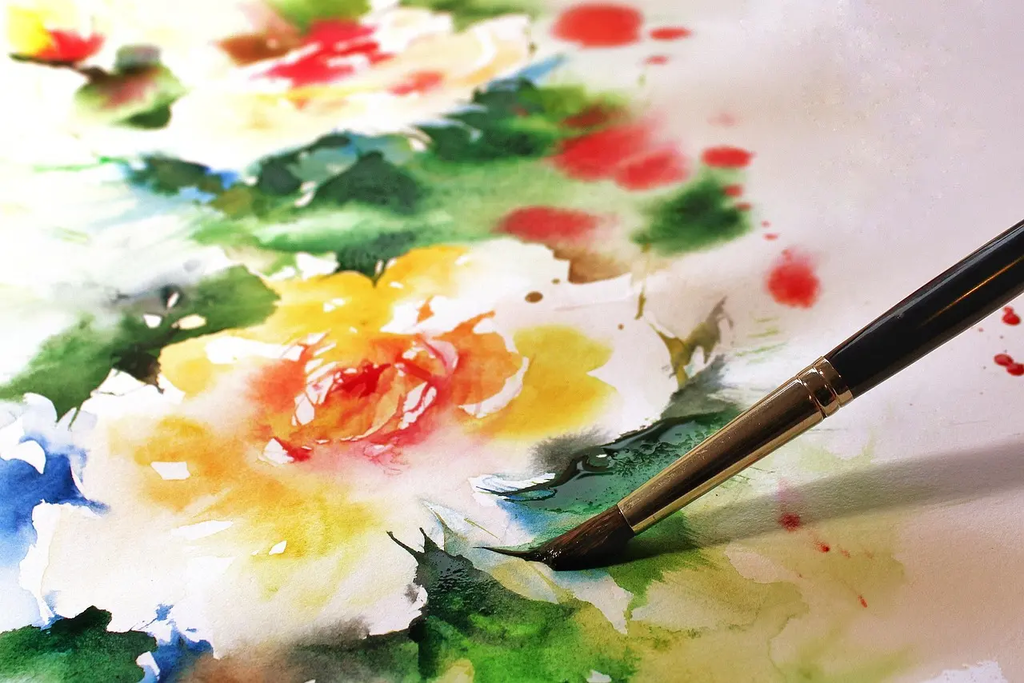
Watercolor techniques for beginners refer to fundamental methods used to create paintings with water-based pigments. These include wet-on-wet, where colors blend on damp paper; wet-on-dry, for sharper edges; and layering or glazing, to build depth. Beginners also learn to control water-to-paint ratios, practice washes, and experiment with textures using salt or sponges. Mastering these basics helps artists achieve vibrant, expressive watercolor artwork.
Watercolor Techniques for Beginners
Watercolor techniques for beginners refer to fundamental methods used to create paintings with water-based pigments. These include wet-on-wet, where colors blend on damp paper; wet-on-dry, for sharper edges; and layering or glazing, to build depth. Beginners also learn to control water-to-paint ratios, practice washes, and experiment with textures using salt or sponges. Mastering these basics helps artists achieve vibrant, expressive watercolor artwork.
💡 Key Takeaways
- Distinguish between wet-on-wet and wet-on-dry techniques and know when to use each.
- Use layering and glazing to build depth and luminous color in your paintings.
- Master controlling the water-to-paint ratio to achieve different transparencies and edge qualities.
- Get comfortable with basic watercolor setup, brush control, and paper preparation for beginners.
❓ Frequently Asked Questions
What is the wet-on-wet watercolor technique?
Painting on a damp or wet surface so colors flow and blend softly, creating gradients and atmospheric edges.
What is the wet-on-dry technique?
Applying pigment with a wetter brush onto dry paper to achieve sharper edges and more controlled shapes.
What is layering or glazing in watercolor?
Building depth by applying thin, translucent layers once previous layers dry, which changes tone without hiding underlying color.
How do you control the water-to-paint ratio?
Adjust water amount to influence transparency and value: more water = lighter washes; less water = stronger color; test on swatches and build gradually.