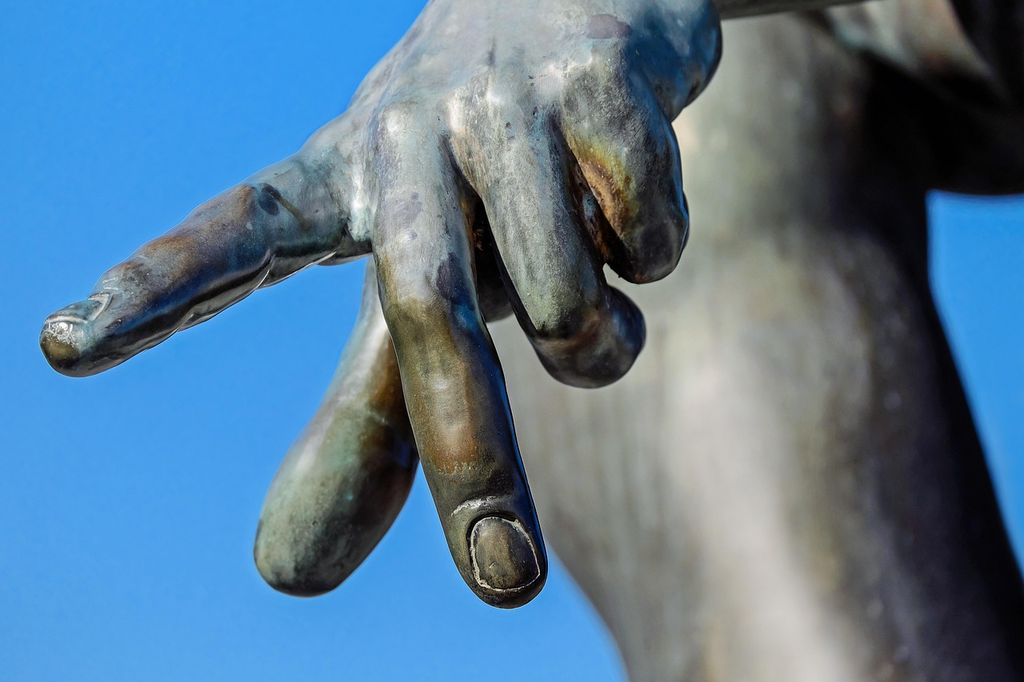
Throughout history, wave gestures, such as the open-handed wave, thumbs-up, and peace sign, have served as powerful nonverbal forms of communication. The wave often signifies greeting or farewell, the thumbs-up conveys approval or agreement, and the peace sign, popularized during the 1960s, symbolizes harmony and goodwill. These gestures transcend language barriers, fostering connection and understanding across diverse cultures and societies.
Wave Gesture in History
Throughout history, wave gestures, such as the open-handed wave, thumbs-up, and peace sign, have served as powerful nonverbal forms of communication. The wave often signifies greeting or farewell, the thumbs-up conveys approval or agreement, and the peace sign, popularized during the 1960s, symbolizes harmony and goodwill. These gestures transcend language barriers, fostering connection and understanding across diverse cultures and societies.
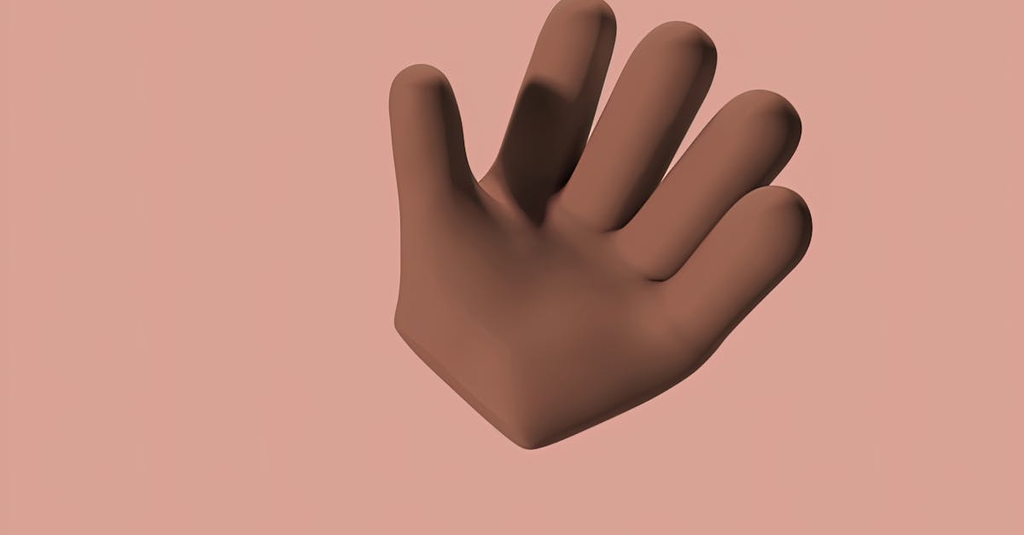
💡 Key Takeaways
- Explore the historical origins and cultural meanings of the wave gesture across different civilizations.
- Identify common wave variants (hand wave, farewell wave, ceremonial wave) and their typical interpretations.
- Understand how waving has been used in diplomacy, social rituals, and media to greet, acknowledge, or bid farewell.
- Trace the evolution of wave etiquette and cross-cultural differences in the modern era.
❓ Frequently Asked Questions
What is the historical significance of the wave gesture as a greeting?
Waving is one of the oldest nonverbal signals used to acknowledge someone, convey friendliness, and establish social contact across many cultures.
How has the wave gesture been used in historical signaling beyond everyday greetings?
Waving and visible hand motions were used in maritime and military contexts to attract attention or relay simple messages; over time this evolved into standardized signaling methods like semaphore and flag codes.
Do meanings of the wave gesture vary across cultures?
Yes. While waving generally signals greeting or farewell, variations in palm orientation, speed, and formality can change interpretation, and in some contexts it may be considered informal or inappropriate.
How is the wave gesture connected to the history of sign languages?
Waving is a fundamental motion in many sign languages, used for greetings and various signs, reflecting the role of visible, intentional gestures in nonverbal communication.