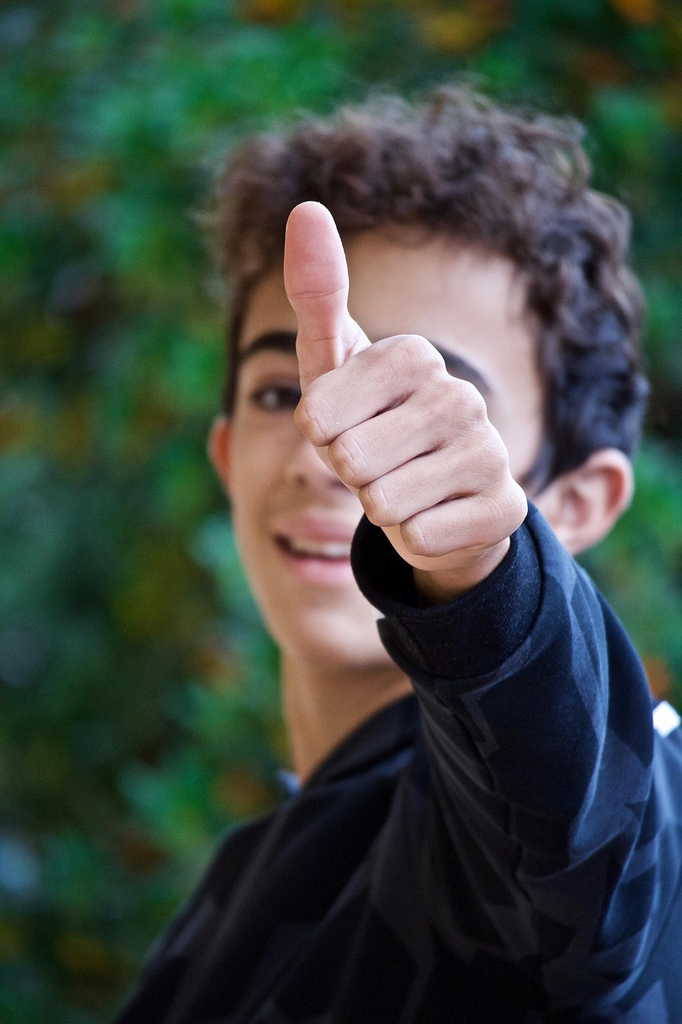
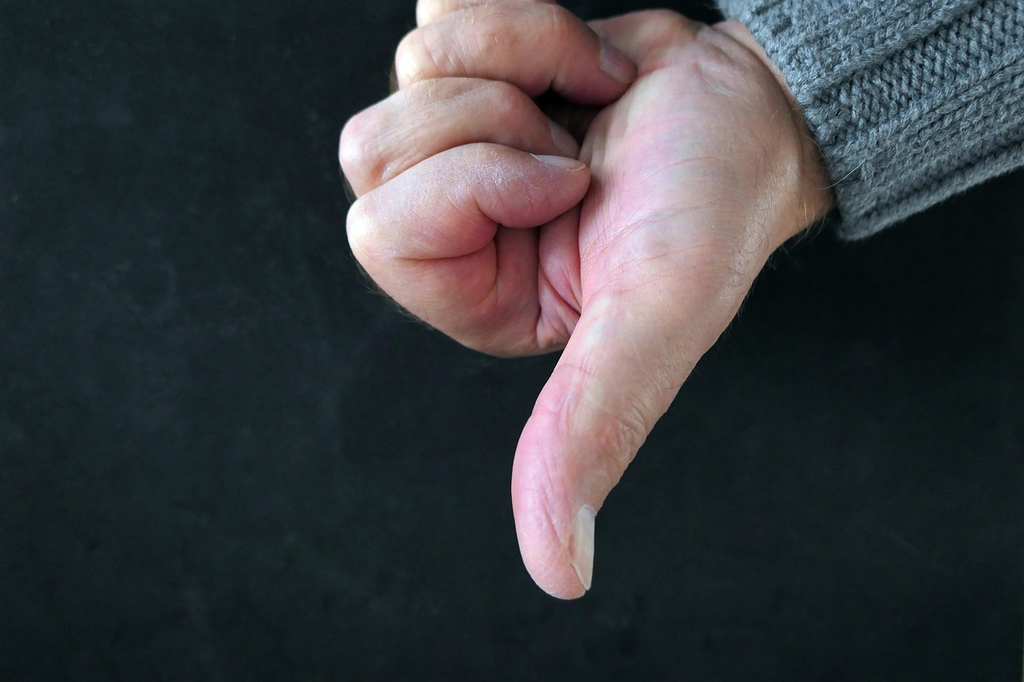
Wave gestures in technology refer to hand movements, such as waving, giving a thumbs-up, or making a peace sign, that are recognized by devices through cameras or sensors. These gestures enable users to interact with technology touchlessly, allowing for commands, navigation, or expressions of emotion in virtual environments. Thumbs and peace gestures, in particular, are commonly used for signaling approval, greeting, or conveying positive feedback in digital communication and user interfaces.
Wave Gesture in Technology
Wave gestures in technology refer to hand movements, such as waving, giving a thumbs-up, or making a peace sign, that are recognized by devices through cameras or sensors. These gestures enable users to interact with technology touchlessly, allowing for commands, navigation, or expressions of emotion in virtual environments. Thumbs and peace gestures, in particular, are commonly used for signaling approval, greeting, or conveying positive feedback in digital communication and user interfaces.
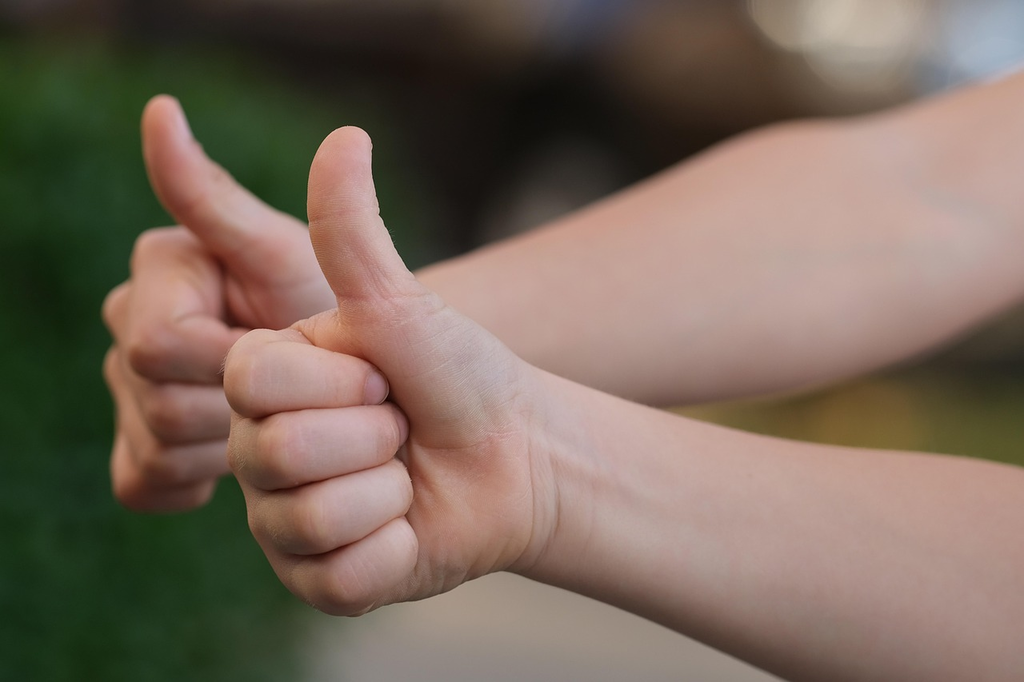
💡 Key Takeaways
- Understand what a wave gesture is and how it enables touchless device control
- Learn the technologies used to detect wave gestures (cameras, depth sensors, radar, ML)
- Explore real-world uses of wave gestures in consumer tech and software interfaces
- Consider challenges, limitations, and privacy/accessibility implications of wave-gesture systems
❓ Frequently Asked Questions
What is a wave gesture in technology?
A wave gesture is a non-contact hand movement (e.g., waving a hand) used to interact with devices. It is detected by sensors or cameras and translated into commands.
What technologies detect wave gestures?
Gesture detection uses camera-based computer vision (RGB or depth cameras), infrared/structured-light sensors, or radar/ultrasound sensors to sense motion and classify the gesture.
How are wave gestures recognized?
Motion patterns over time are analyzed and compared to predefined templates or learned patterns using algorithms and machine learning to trigger the appropriate action.
What are common applications of wave gestures?
Controlling TVs, computers, smart home devices, and presentation slides; gaming and vehicle interfaces; any touchless control scenario.
What are typical challenges with wave gestures?
Lighting, range and occlusion, false positives, user variability, privacy concerns, and the need for calibration to ensure reliable recognition.