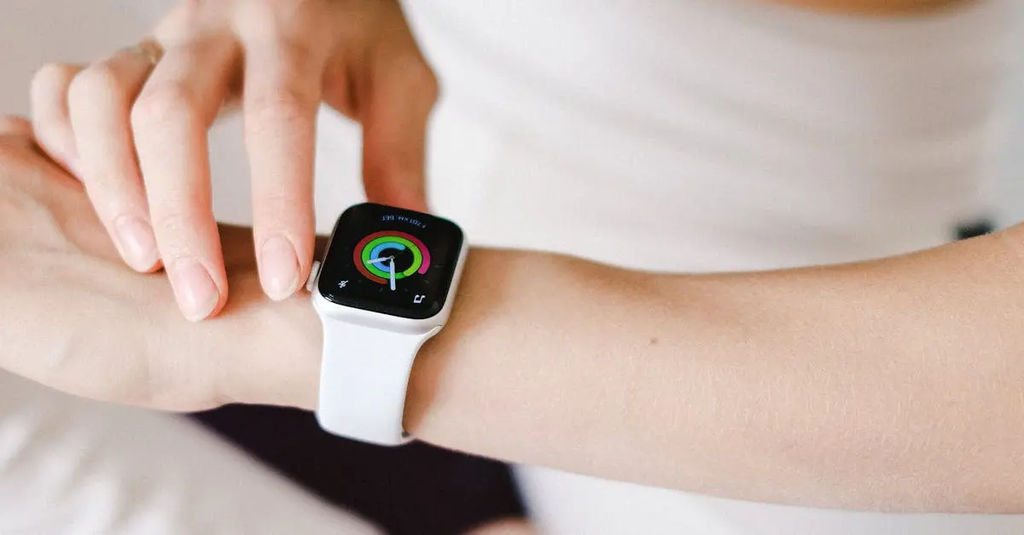
Wearables & Data-Driven Self-Care refers to the use of smart devices, such as fitness trackers or smartwatches, to monitor personal health metrics like heart rate, sleep, or activity levels. These devices collect real-time data, enabling individuals to make informed decisions about their well-being. By analyzing trends and receiving personalized feedback, users can proactively manage their health, set goals, and adopt healthier habits, leading to more effective and individualized self-care routines.
Wearables & Data‑Driven Self‑Care
Wearables & Data-Driven Self-Care refers to the use of smart devices, such as fitness trackers or smartwatches, to monitor personal health metrics like heart rate, sleep, or activity levels. These devices collect real-time data, enabling individuals to make informed decisions about their well-being. By analyzing trends and receiving personalized feedback, users can proactively manage their health, set goals, and adopt healthier habits, leading to more effective and individualized self-care routines.
💡 Key Takeaways
- Understand which metrics wearables track (heart rate, sleep, activity) and why they matter for self-care.
- Learn how to interpret data trends and translate them into practical choices for sleep, activity, and recovery.
- Recognize limitations and data quality issues (accuracy, gaps, device variability) when using wearable readings.
- Discover how to set personalized goals, monitor progress over time, and consider privacy and data-sharing aspects.
❓ Frequently Asked Questions
What are wearables and what do they measure?
Wearables are smart devices (fitness trackers, smartwatches) that monitor metrics like heart rate, steps, sleep, activity, calories, and sometimes HRV or SpO2.
How can data from wearables support self-care?
They provide objective trends, help set realistic goals, and offer insights to adjust exercise, sleep, and stress management over time.
Can wearables diagnose health problems or replace medical advice?
No. They estimate metrics and show trends, but a clinician should diagnose and treat health issues.
How accurate are wearables, and how should I interpret the data?
Accuracy varies by device; readings are estimates. Use long-term trends and averages rather than single-day numbers to guide decisions.
What about privacy and data sharing with wearables?
Review app permissions and privacy settings; data may be uploaded to cloud services and shared with manufacturers, apps, or third parties—adjust settings and delete data if needed.