Weaving and loom basics refer to the fundamental principles and tools involved in creating fabric by interlacing threads. Weaving is the process of crossing warp (vertical) and weft (horizontal) threads to form cloth. A loom is the device used to hold the threads under tension, making it easier to interlace them in specific patterns. Understanding these basics is essential for producing textiles, from simple cloth to intricate designs.
Weaving and Loom Basics
Weaving and loom basics refer to the fundamental principles and tools involved in creating fabric by interlacing threads. Weaving is the process of crossing warp (vertical) and weft (horizontal) threads to form cloth. A loom is the device used to hold the threads under tension, making it easier to interlace them in specific patterns. Understanding these basics is essential for producing textiles, from simple cloth to intricate designs.
💡 Key Takeaways
- Understand warp and weft and how interlacing them forms fabric.
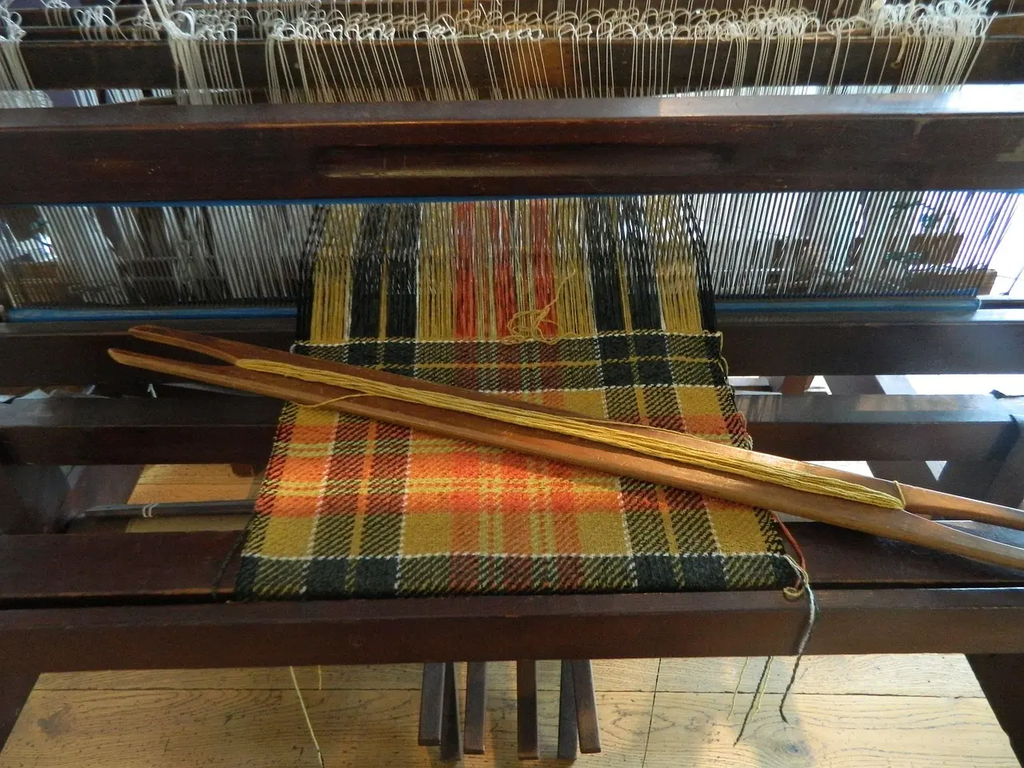
- Identify essential loom components (warp beam, heddles, reed, loom frame) and their roles in holding threads under tension.
- Learn the basic weaving steps—creating a shed, passing the weft, and beating the fabric—to build a weave.
- Recognize how simple weave structures, such as plain weave, affect texture and fabric strength.
❓ Frequently Asked Questions
What is weaving?
Weaving is the process of interlacing warp (vertical) and weft (horizontal) threads to create fabric, with warp held under tension on the loom.
What is a loom and what does it do?
A loom is a device that holds warp threads under tension, making it easier to pass the weft through them to form fabric.
What are warp and weft?
Warp refers to the lengthwise threads held under tension on the loom; weft (or woof) is the horizontal thread woven through the warp.
What are common loom parts beginners should know?
Warp beam, cloth beam, heddles/harnesses, reed, and a shuttle are core parts that guide and organize threads during weaving.
What loom types are common for beginners?
Frame loom (simple and portable), rigid heddle loom (easy for basics), backstrap loom (portable and body-tensioned), and floor loom (larger, more capable) are popular beginner options.