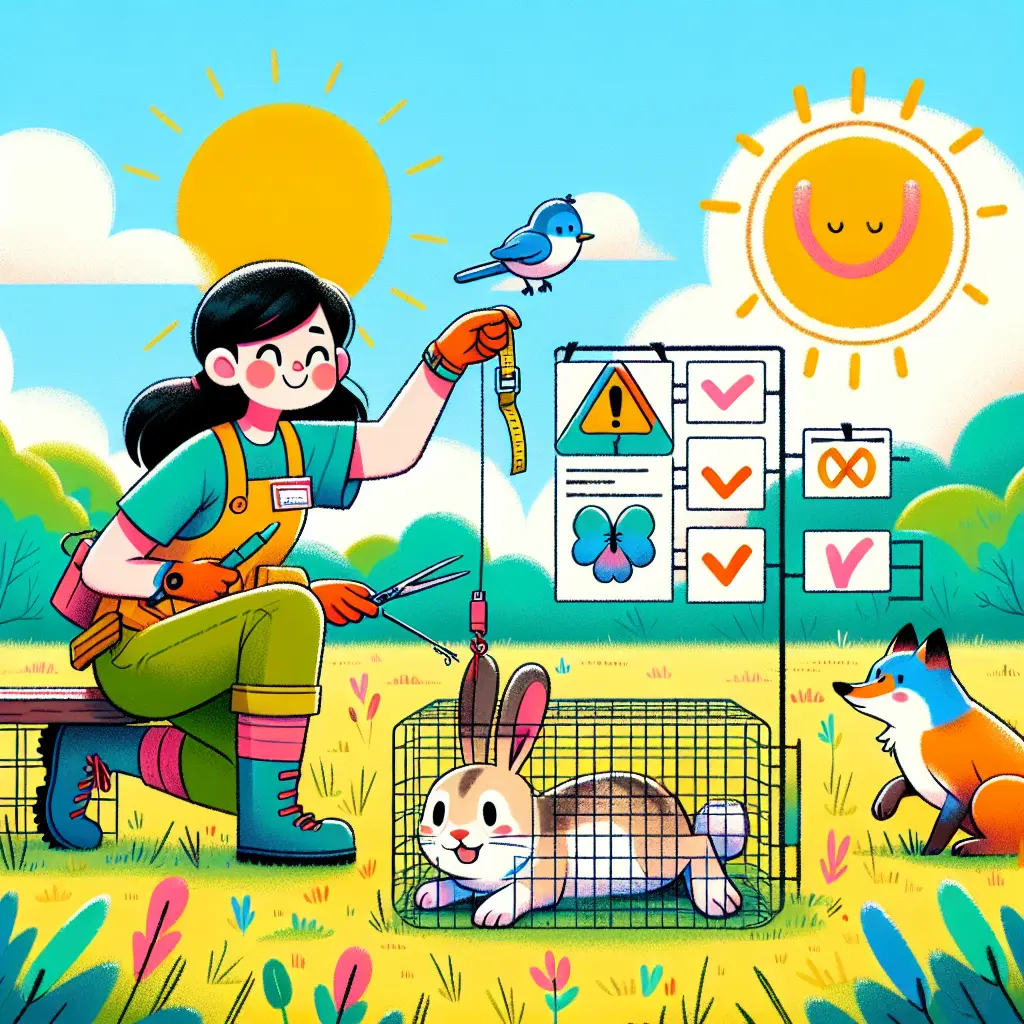
Welfare Assessment & Auditing refers to the systematic process of evaluating and verifying the well-being of individuals, groups, or animals within an organization or facility. It involves collecting data, observing conditions, and measuring outcomes against established welfare standards. Auditing ensures compliance with policies and regulations, identifies areas for improvement, and promotes accountability. This process helps organizations maintain ethical practices, improve quality of life, and demonstrate their commitment to welfare principles.
Welfare Assessment & Auditing
Welfare Assessment & Auditing refers to the systematic process of evaluating and verifying the well-being of individuals, groups, or animals within an organization or facility. It involves collecting data, observing conditions, and measuring outcomes against established welfare standards. Auditing ensures compliance with policies and regulations, identifies areas for improvement, and promotes accountability. This process helps organizations maintain ethical practices, improve quality of life, and demonstrate their commitment to welfare principles.

💡 Key Takeaways
- Understand the purpose and scope of welfare assessment and auditing in pet and animal care settings.
- Identify key welfare indicators to observe, including physical health, behavior, and living conditions.
- Learn data collection methods and how to document findings using checklists, records, and standardized notes.
- Compare outcomes to established welfare standards and recognize when corrective actions are needed.
- Understand auditing processes (internal vs. external), reporting, and strategies to implement welfare improvements.
❓ Frequently Asked Questions
What is welfare assessment in pets and animals?
A structured process to evaluate an animal's well-being by collecting data, observing living conditions, health, and behavior, and comparing them to established welfare standards.
What are common welfare indicators used during audits?
Health signs (injuries, disease), body condition, behavior (stress or normal activity), living conditions (space, enrichment, cleanliness), access to food and water, handling practices, and the accuracy of records.
How does welfare auditing differ from ongoing welfare monitoring?
Monitoring is ongoing observation of day-to-day conditions; auditing is a formal, independent verification against standards using data, records, and site checks.
Which welfare frameworks guide animal welfare assessments?
Common frameworks include the Five Freedoms and Five Domains, along with organization-specific codes and legal requirements.