Wilderness navigation refers to the skills and techniques used to find one’s way through remote, natural environments such as forests, mountains, or deserts. It often involves the use of tools like maps, compasses, and GPS devices, as well as an understanding of natural landmarks and environmental cues. Effective wilderness navigation is essential for safety, preventing getting lost, and ensuring successful travel or exploration in areas without marked trails or signs.
Wilderness Navigation
Wilderness navigation refers to the skills and techniques used to find one’s way through remote, natural environments such as forests, mountains, or deserts. It often involves the use of tools like maps, compasses, and GPS devices, as well as an understanding of natural landmarks and environmental cues. Effective wilderness navigation is essential for safety, preventing getting lost, and ensuring successful travel or exploration in areas without marked trails or signs.
💡 Key Takeaways
- Understand core navigation tools (maps, compasses, GPS) and their appropriate use in wilderness settings.
- Read terrain and natural landmarks to orient yourself when devices aren't available.
- Plan routes, estimate distances, and manage errors to stay on course in forests, mountains, or deserts.
- Recognize disorientation cues and apply safe navigation and signaling techniques in emergencies.
❓ Frequently Asked Questions
What is wilderness navigation?
The set of skills for finding your way through remote natural areas using maps, compasses, GPS, and natural cues like landmarks and terrain.
What tools are essential for wilderness navigation?
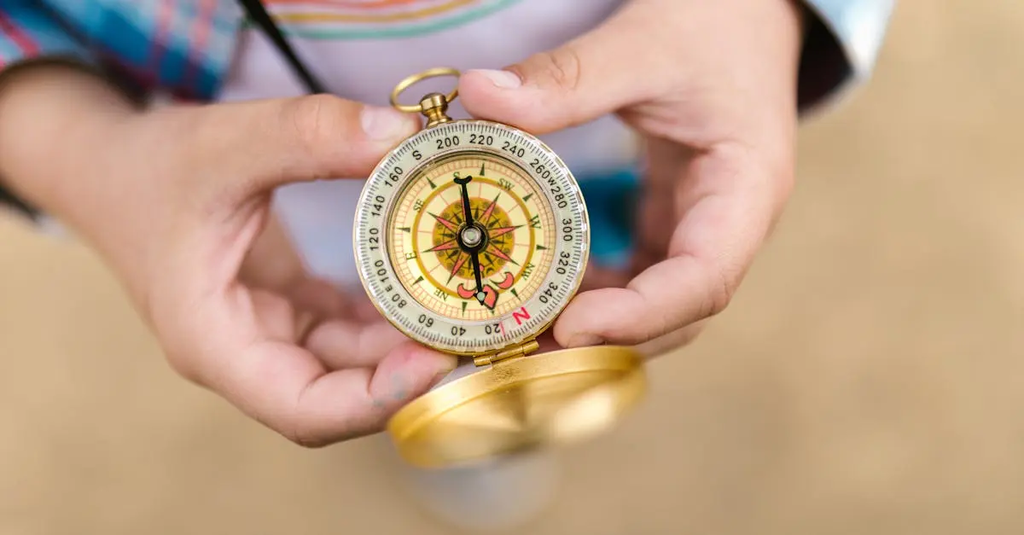
At minimum, a map and compass. A GPS device or smartphone with offline maps is a helpful backup; carry backup navigation methods and signaling gear.
How do you use a compass with a map?
Place the map, align it to north with the compass, locate your position on the map, then set and follow the bearing to your destination.
How can you navigate using natural landmarks and environmental cues?
Use distinctive features (ridges, rivers, cliffs) to orient yourself on the map, and supplement with sun or star observations to estimate direction when needed.
What should you do if you get lost?
Stay calm, stop and assess your surroundings, retrace to a known point if possible, signal for help, and conserve energy while awaiting assistance.