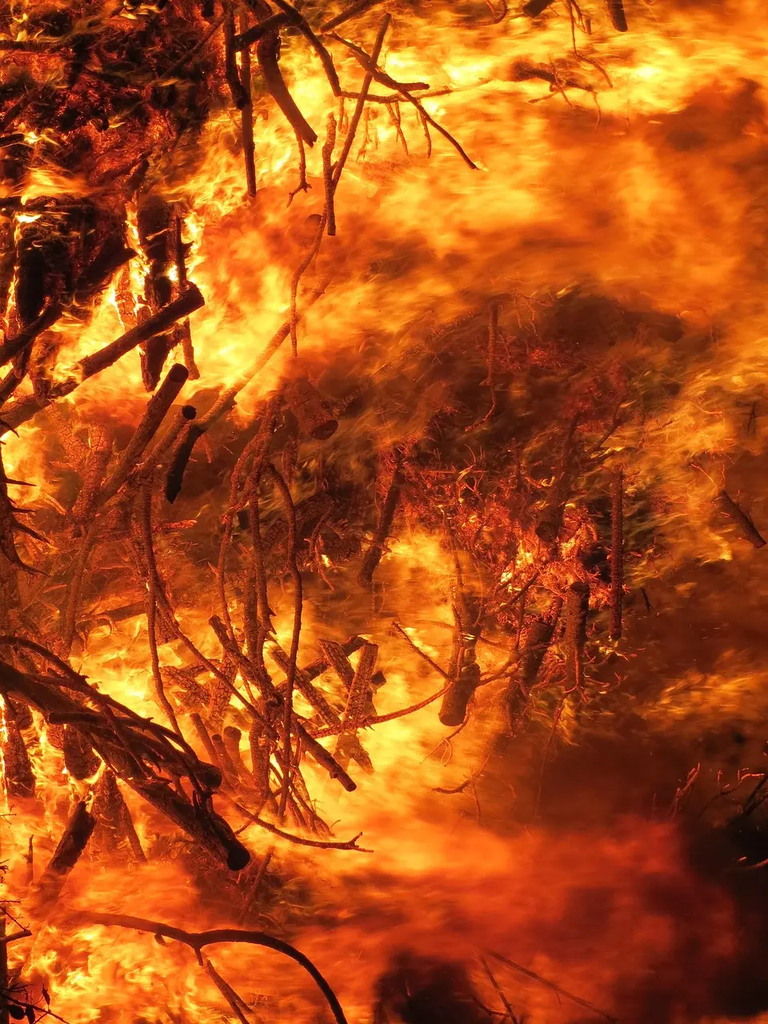
The phrase refers to the relationship between wildfires, the traditional Indigenous practice of cultural burning, and the ability of park landscapes to recover and thrive. Wildfires can be destructive, but cultural burning uses controlled, low-intensity fires to manage vegetation, reduce fuel loads, and promote ecosystem health. Integrating cultural burning into park management enhances landscape resilience, supports biodiversity, and honors Indigenous knowledge, creating healthier, more sustainable environments.
Wildfire, Cultural Burning, and Landscape Resilience in Parks
The phrase refers to the relationship between wildfires, the traditional Indigenous practice of cultural burning, and the ability of park landscapes to recover and thrive. Wildfires can be destructive, but cultural burning uses controlled, low-intensity fires to manage vegetation, reduce fuel loads, and promote ecosystem health. Integrating cultural burning into park management enhances landscape resilience, supports biodiversity, and honors Indigenous knowledge, creating healthier, more sustainable environments.
💡 Key Takeaways
- Cultural burning uses controlled, low‑intensity fires to manage vegetation and reduce fuel loads in park landscapes.
- These burns can promote biodiversity and ecological resilience by shaping plant communities and fire regimes.
- Indigenous knowledge and cultural practices inform park management and wildfire risk reduction.
- Implementation requires safety measures, monitoring, and collaborative policies to support responsible cultural burning.
❓ Frequently Asked Questions
What is cultural burning in parks?
Cultural burning is the Indigenous practice of planned, low‑intensity fires used to manage vegetation, reduce fuel loads, and support ecosystem health and biodiversity in park landscapes.
How can wildfires be destructive and also part of landscape resilience?
Wildfires can threaten safety and habitats, but fire is a natural ecological process. Managed fires, including cultural burns, can reduce fuel loads, recycle nutrients, and strengthen ecosystem resilience.
What does landscape resilience mean in this context?
The park’s ability to absorb disturbances like fire, recover quickly, and maintain essential ecological functions and values.
Why involve Indigenous practices in fire management?
Incorporating cultural burning blends traditional knowledge with modern science to reduce wildfire risk, protect biodiversity, and preserve culturally important landscapes.