Wildfires are uncontrolled fires that rapidly spread across forests, grasslands, or other natural areas, often fueled by dry conditions and strong winds. They represent nature’s scary side because they can destroy vast ecosystems, threaten wildlife, and endanger human lives and property. While some wildfires occur naturally and play a role in renewing habitats, their unpredictability and intensity make them a formidable and frightening force of nature.
Wildfires+50
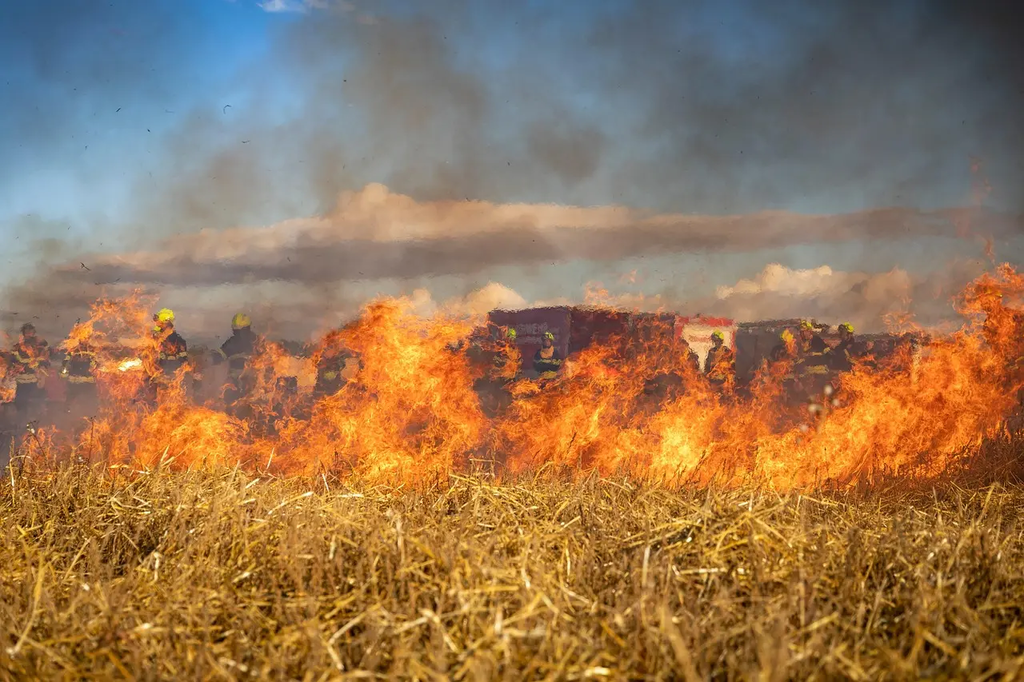
Wildfires are uncontrolled fires that rapidly spread across forests, grasslands, or other natural areas, often fueled by dry conditions and strong winds. They represent nature’s scary side because they can destroy vast ecosystems, threaten wildlife, and endanger human lives and property. While some wildfires occur naturally and play a role in renewing habitats, their unpredictability and intensity make them a formidable and frightening force of nature.
💡 Key Takeaways
- Define what a wildfire is and distinguish natural versus human-caused fires
- Identify factors that influence wildfire behavior: fuels, weather, and terrain
- Learn essential safety practices and evacuation steps during wildfire events
- Understand the environmental and health impacts of wildfires, including air quality and ecosystem effects
❓ Frequently Asked Questions
What is a wildfire?
An uncontrolled fire that spreads rapidly through vegetation such as forests or grasslands, driven by dry conditions and wind.
What factors influence wildfire spread?
Weather (wind, temperature, humidity), available fuels (dry vegetation), and terrain (slope) determine how fast and in what direction a wildfire grows.
How can wildfires start?
Wildfires can start from natural causes like lightning or human activities such as unattended campfires, discarded cigarettes, and equipment sparks.
How can communities reduce wildfire risk?
Create defensible space around buildings, follow burn bans, properly extinguish fires, and clear away dry vegetation to lower ignition and spread risk.