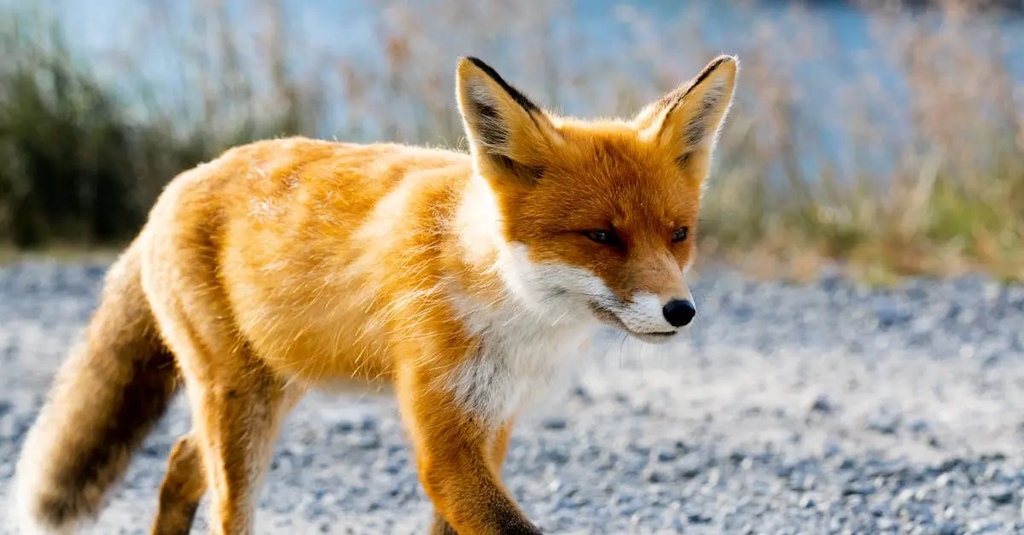
Wildlife Law & Policy refers to the legal frameworks and governmental strategies designed to conserve and manage wild animal and plant species. It encompasses regulations on hunting, trade, habitat protection, and endangered species, aiming to balance ecological sustainability with human interests. These laws and policies are enforced at local, national, and international levels, addressing issues like poaching, trafficking, and habitat destruction to ensure the long-term survival of wildlife populations.
Wildlife Law & Policy
Wildlife Law & Policy refers to the legal frameworks and governmental strategies designed to conserve and manage wild animal and plant species. It encompasses regulations on hunting, trade, habitat protection, and endangered species, aiming to balance ecological sustainability with human interests. These laws and policies are enforced at local, national, and international levels, addressing issues like poaching, trafficking, and habitat destruction to ensure the long-term survival of wildlife populations.
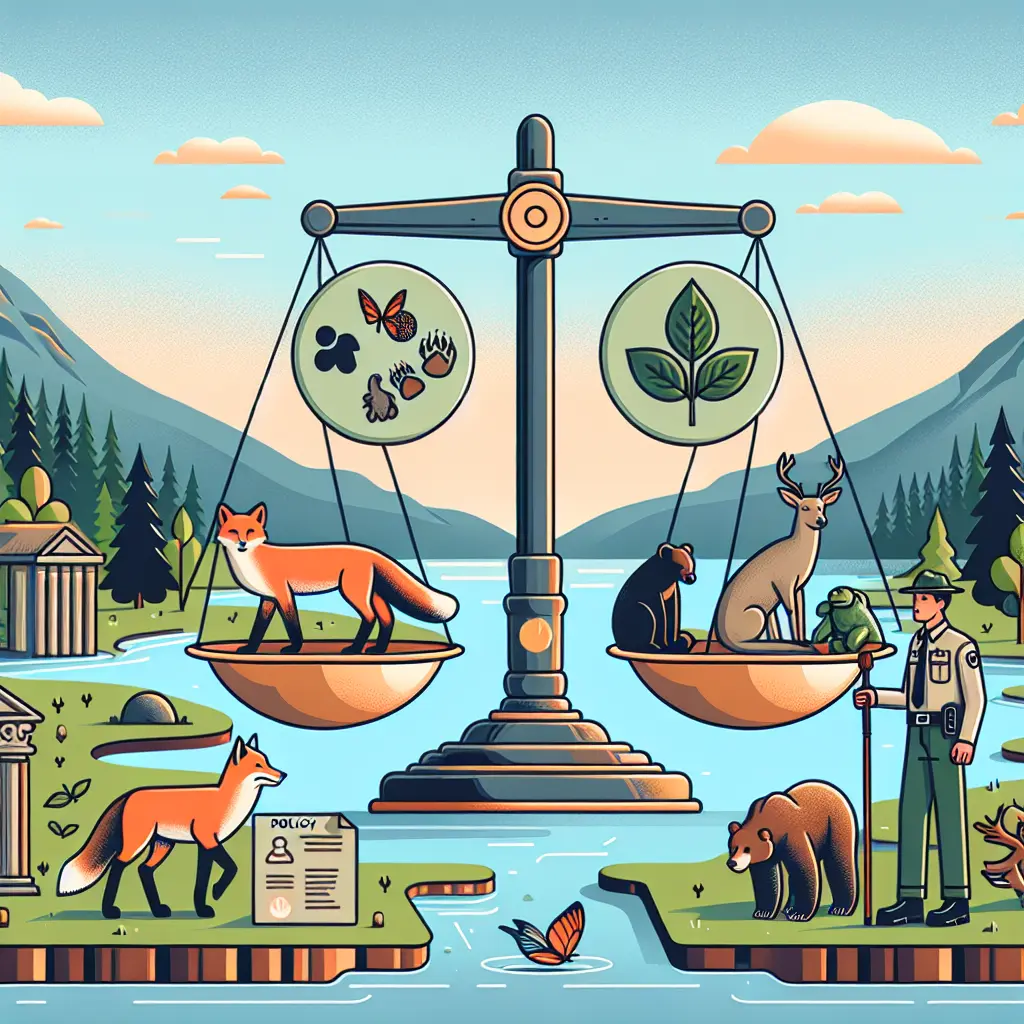
💡 Key Takeaways
- Understand the goals of wildlife law: conservation, sustainable use, and habitat protection.
- Identify the main regulatory tools (permits, licenses, trade controls, protected areas) used to manage wildlife.
- Explain how endangered species are protected (listing, recovery plans, penalties for harm).
- See how wildlife policy impacts pets and domestic animals (captivity rules, exotic pet regulations, welfare concerns).
❓ Frequently Asked Questions
What is wildlife law and policy?
A set of laws and government strategies that conserve and manage wild species and their habitats, including rules on hunting, trade, and protection of endangered species.
What activities do wildlife regulations cover?
Hunting and fishing limits, rules for wildlife trade and transport, habitat protection measures, and penalties for illegal wildlife activities.
How do international agreements influence national wildlife policy?
They establish global standards and obligations (such as CITES) that shape national laws and cross-border conservation efforts.
Why is habitat protection central to wildlife policy?
Protecting habitats preserves ecosystems, supports species survival, and helps balance ecological sustainability with human needs.